









All Sauce from Weekly Gravy:

A quick spray of medication might seem like an easy way to get thicker hair, but some folks say one sold online has left them battling sexual side effects, depression and even thoughts of suicide. Now, the U.S. Food and Drug Administration (FDA) is warning the public about the risks. The FDA warning is about a topical spray version of finasteride, a drug often sold online by telehealth companies like Hims, Keeps and Ro, The Wall Street Journal reported. While the pill form of finasteride, known by the brand name Propecia, is FDA-approved to treat hair loss, the spray version is not. “FDA has become aware of reports of adverse events involving compounded topical finasteride products potentially putting consumers at risk,” the April 22 statement said. “Currently, there is no FDA-approved topical formulation of finasteride,” it continued. “Compounded topical finasteride products do not have FDA-approved labeling. There are potential serious risks associated with the use of compounded topical finasteride products.” The FDA warning follows a recent Wall Street Journal report describing men who said they experienced side effects after using finasteride prescriptions purchased from the telehealth companies Hims and Keeps. Reported side effects include “erectile dysfunction, anxiety, suicidal ideation, brain fog, depression, fatigue, insomnia, decreased libido and testicular pain,” the FDA said. The FDA also warned that the spray could pose a risk to others,…  read on >  read on >

Women suffering from urinary incontinence might have a greater risk of heart disease, a new study says. Women who struggle with bladder control are more likely to have risk factors associated with heart health problems, including type 2 diabetes and high cholesterol, researchers reported in the Journal of Preventive Medicine. They also are more likely to have suffered a stroke or needed heart bypass surgery, results show. “There is an association between incontinence and cardiovascular disease (CVD) risk,” concluded the research team led by Lisa VanWiel, an assistant professor at the University of Wisconsin-La Crosse. “Women should be screened for incontinence regularly as it may contribute to CVD risk, and women with CVD risk factors should be screened for undiagnosed incontinence,” researchers added. As many as 60% of women are affected by urinary incontinence, researchers said in background notes. For the study, researchers tracked medical records of more than 20,000 women treated by the Hartford Healthcare system in Connecticut between July 2022 and June 2024. Of those women, more than 5% reported urinary incontinence, researchers said. Those with urinary incontinence were: 25% more likely to have type 2 diabetes. 37% more likely to have high cholesterol. 55% more likely to have suffered a stroke. More than three times as likely to have needed coronary artery bypass surgery. Researchers speculate that incontinence might keep women from…  read on >  read on >

Women suffering from urinary incontinence might have a greater risk of heart disease, a new study says. Women who struggle with bladder control are more likely to have risk factors associated with heart health problems, including type 2 diabetes and high cholesterol, researchers reported in the Journal of Preventive Medicine. They also are more likely to have suffered a stroke or needed heart bypass surgery, results show. “There is an association between incontinence and cardiovascular disease (CVD) risk,” concluded the research team led by Lisa VanWiel, an assistant professor at the University of Wisconsin-La Crosse. “Women should be screened for incontinence regularly as it may contribute to CVD risk, and women with CVD risk factors should be screened for undiagnosed incontinence,” researchers added. As many as 60% of women are affected by urinary incontinence, researchers said in background notes. For the study, researchers tracked medical records of more than 20,000 women treated by the Hartford Healthcare system in Connecticut between July 2022 and June 2024. Of those women, more than 5% reported urinary incontinence, researchers said. Those with urinary incontinence were: 25% more likely to have type 2 diabetes. 37% more likely to have high cholesterol. 55% more likely to have suffered a stroke. More than three times as likely to have needed coronary artery bypass surgery. Researchers speculate that incontinence might keep women from…  read on >  read on >

Overuse of antibiotics might increase kids’ risk of developing asthma and allergies, by disrupting their gut bacteria during a crucial stage of child development, a new study says. Exposure to antibiotics prior to age 2 is associated with a 24% increased risk of asthma and 33% increased risk of food allergies in later childhood, researchers reported recently in the Journal of Infectious Diseases. “Antibiotics play a critical role in combatting bacterial infections, but physicians should be judicious when prescribing antibiotics to children under 2, as frequent use may affect long-term health outcomes,” lead researcher Dr. Daniel Horton of the Rutgers Institute for Health, Health Care Policy and Aging Research said in a news release. For the study, researchers tracked the health of more than 1 million children in the U.K., comparing early antibiotic treatment to their later risk of allergies and asthma. Previous research has suggested that early and repeated antibiotic use can disrupt the development of health gut bacteria as a child ages, researchers said in background notes. This, in turn, can influence their risk of allergic conditions. Tracking the children through age 12, researchers found they were at higher risk of asthma and food allergies if they’d been exposed to antibiotics as babies. Babies given antibiotics also had a 6% increased risk of seasonal allergies, researchers said. “Antibiotics are important and sometimes life-saving…  read on >  read on >

Overuse of antibiotics might increase kids’ risk of developing asthma and allergies, by disrupting their gut bacteria during a crucial stage of child development, a new study says. Exposure to antibiotics prior to age 2 is associated with a 24% increased risk of asthma and 33% increased risk of food allergies in later childhood, researchers reported recently in the Journal of Infectious Diseases. “Antibiotics play a critical role in combatting bacterial infections, but physicians should be judicious when prescribing antibiotics to children under 2, as frequent use may affect long-term health outcomes,” lead researcher Dr. Daniel Horton of the Rutgers Institute for Health, Health Care Policy and Aging Research said in a news release. For the study, researchers tracked the health of more than 1 million children in the U.K., comparing early antibiotic treatment to their later risk of allergies and asthma. Previous research has suggested that early and repeated antibiotic use can disrupt the development of health gut bacteria as a child ages, researchers said in background notes. This, in turn, can influence their risk of allergic conditions. Tracking the children through age 12, researchers found they were at higher risk of asthma and food allergies if they’d been exposed to antibiotics as babies. Babies given antibiotics also had a 6% increased risk of seasonal allergies, researchers said. “Antibiotics are important and sometimes life-saving…  read on >  read on >

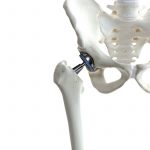
Folks are less likely to recover successfully from a total hip replacement if they have poor muscle quality going into the procedure, a small-scale study says. Patients whose MRI scans revealed fatty hip muscle prior to surgery were more likely to perform poorly on movement tasks following hip replacement, researchers reported today in the Journal of Orthopedic Research. “The findings from this study indicate that hip muscle quality may be an important predictor of post-operative biomechanical recovery following hip replacement,” senior researcher Jeannie Bailey, an associate professor of orthopedic surgery at the University of California-San Francisco, said in a news release. “Muscle quality is often overlooked, and magnetic resonance imaging is needed to visualize muscle composition, which is not routinely collected for hip replacement patients,” she added. Hip replacement can reduce pain and improve function in people with hip arthritis, but some patients continue to suffer long-term problems like muscle weakness, decreased mobility and increased fall risk following the procedure. For the new study, researchers studied 10 people who underwent an MRI prior to their hip replacement. People with fatty, flabby muscles in their hips had poorer movement following surgery, results show. On the other hand, a person’s level of wear-and-tear arthritis did not have any association with their post-op performance, results show. The results indicate that some hip replacement patients might benefit if they…  read on >  read on >

Folks are less likely to recover successfully from a total hip replacement if they have poor muscle quality going into the procedure, a small-scale study says. Patients whose MRI scans revealed fatty hip muscle prior to surgery were more likely to perform poorly on movement tasks following hip replacement, researchers reported today in the Journal of Orthopedic Research. “The findings from this study indicate that hip muscle quality may be an important predictor of post-operative biomechanical recovery following hip replacement,” senior researcher Jeannie Bailey, an associate professor of orthopedic surgery at the University of California-San Francisco, said in a news release. “Muscle quality is often overlooked, and magnetic resonance imaging is needed to visualize muscle composition, which is not routinely collected for hip replacement patients,” she added. Hip replacement can reduce pain and improve function in people with hip arthritis, but some patients continue to suffer long-term problems like muscle weakness, decreased mobility and increased fall risk following the procedure. For the new study, researchers studied 10 people who underwent an MRI prior to their hip replacement. People with fatty, flabby muscles in their hips had poorer movement following surgery, results show. On the other hand, a person’s level of wear-and-tear arthritis did not have any association with their post-op performance, results show. The results indicate that some hip replacement patients might benefit if they…  read on >  read on >

Recreational use of “magic mushroom” psilocybin skyrocketed in the U.S. during the early 2020s, as states began toying with legalization of the psychedelic drug, a new study says. The number of adults 30 and older who had used psilocybin in the past year increased by 188% between 2019 and 2023, researchers reported April 21 in the Annals of Internal Medicine. Likewise, the number of 18- to 29-year-olds who had used psilocybin in the past year increased by 44%, and the number of high school seniors who had used the drug by 53%, results show. “We found that since 2019, the number of people using psilocybin has gone up sharply,” co-lead investigator Karilynn Rockhill, a researcher at the University of Colorado School of Public Health, said in a news release. “This seems to line up with when some U.S. states began to decriminalize or legalize it.” Colorado became the first state to legalize psilocybin in 2019, and Oregon voters followed suit in 2020. Since then, psilocybin use has grown rapidly in the U.S., according to data researchers drew from five nationally representative sources. “Public views on psilocybin are shifting. However, that means we also need to make sure people understand the risks, know how to use it safely if they choose to and that health care systems are prepared,” co-lead researcher Joshua Black, a senior scientist…  read on >  read on >

Recreational use of “magic mushroom” psilocybin skyrocketed in the U.S. during the early 2020s, as states began toying with legalization of the psychedelic drug, a new study says. The number of adults 30 and older who had used psilocybin in the past year increased by 188% between 2019 and 2023, researchers reported April 21 in the Annals of Internal Medicine. Likewise, the number of 18- to 29-year-olds who had used psilocybin in the past year increased by 44%, and the number of high school seniors who had used the drug by 53%, results show. “We found that since 2019, the number of people using psilocybin has gone up sharply,” co-lead investigator Karilynn Rockhill, a researcher at the University of Colorado School of Public Health, said in a news release. “This seems to line up with when some U.S. states began to decriminalize or legalize it.” Colorado became the first state to legalize psilocybin in 2019, and Oregon voters followed suit in 2020. Since then, psilocybin use has grown rapidly in the U.S., according to data researchers drew from five nationally representative sources. “Public views on psilocybin are shifting. However, that means we also need to make sure people understand the risks, know how to use it safely if they choose to and that health care systems are prepared,” co-lead researcher Joshua Black, a senior scientist…  read on >  read on >

Depression and anxiety have been increasing steadily among children and teenagers in recent years, a new study says. More than 1 in 10 children (10.6%) suffered from anxiety in 2022, up from 7.1% in 2016, researchers reported April 21 in JAMA Pediatrics. During the same period, depression among children increased to 4.6% from 3.2%, results show. “Our findings underscore the critical need to prioritize youth mental health, which continued to worsen even as we emerged from the pandemic,” lead researcher Marie Heffernan, an assistant professor of pediatrics at Northwestern University Feinberg School of Medicine, said in a news release. “Parents and schools need more support to be better equipped to help children suffering from anxiety or depression,” she added. For the study, researchers analyzed data from the National Survey of Children’s Health, which is funded by the federal Health Resources and Services Administration. Results showed that some physical maladies among children decreased even as their mood disorders rose. Asthma declined from 8.4% to 6.5% between 2016 and 2022, and severe headaches or migraines declined from 3.5% to 2.6%, researchers found. Behavior and conduct problems remained at about the same levels, around 7%, researchers said. “Continued attention and resources are warranted at a national level to clarify and address the multitude of potential causes of worsening anxiety and depression in children and adolescents,” senior researcher Dr.…  read on >  read on >