








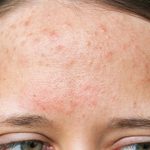
It might take a combination of treatments to rein in problem acne in teens and adults, updated guidelines from the American Academy of Dermatology (AAD) suggest. The guidelines on the all-too-common condition (acne affects 85% of teens and many adults) haven’t undergone a revision since 2016. The 2024 updates include “discussion of new topical medications, which are directly applied to the skin, and systemic treatments, which are taken by mouth,” explained Dr. John Barbieri, co-chair of the AAD’s Acne Guideline Workgroup. The new updates are all evidence-based, with 18 recommendations in all. Four items fell under the guidelines’ “strong recommendation” header: The use of benzoyl peroxide creams to curb the amount of acne-linked bacteria on the skin The use of retinoid creams such as adapalene, tretinoin, tazarotene and trifarotene, to help clear pores and lower inflammation Oral antibiotics such as doxycycline, as well as antbiotic creams, to also help lower bacteria levels and inflammation Combination use, as needed, of all of the above The AAD also had five “good practice” recommendations for dermatologists when treating acne: The guidelines advise “combining multiple different treatment types, as this can lead to better results.” Use antibiotics sparingly, because overuse can trigger resistant strains of bacteria Using benzoyl peroxide alongside an antibiotic can lessen the risk for resistance Patients plagued by larger acne bumps may need injected corticosteroid therapy… read on > read on >