









All Sauce from Weekly Gravy:

In a bit of good news about the novel coronavirus, one expert says it looks like livestock and poultry don’t appear to be at risk from COVID-19. The coronavirus most likely jumped from an animal species into humans and mutated into a virus that mostly affects people, said Jim Roth, director of the Center for Food Security and Public Health at Iowa State University. “If livestock were getting the virus and getting sick we’d most likely know that from what’s gone on in other countries,” Roth said in a university news release. “It does seem to be pretty species-specific to people,” said Roth, a professor of veterinary microbiology and preventive medicine. Researchers are examining the possibility that livestock might develop minor infections or carry the coronavirus, but the virus is still too new for any firm conclusions at this time, he explained. The low level of risk to livestock and poultry is good news for U.S. livestock producers, meat packers and consumers, who could use some stability as uncertainty about the coronavirus restricts many normal daily activities, Roth noted. However, he added that the coronavirus could disrupt the U.S. food supply by causing workforce shortages for the meat packing industry. Meat packing, processing and distribution occurs around the clock, and fresh meat has a limited shelf life, so if a significant portion of meat packing…  read on >
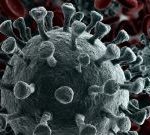
It has spread across the globe in just a few short months, sickening hundreds of thousands, but the new coronavirus has the dubious distinction of not really being a living organism, biologists say. “Viruses aren’t considered alive — in class, I call them pseudo-alive,” said Eric Mendenhall, an associate professor of biological sciences at the University of Alabama in Huntsville. “They require a host to even begin to function. However, since they use DNA or RNA to pass information to the next round of viruses the cell makes for them, they are subject to some of the same principles of evolution and selection that alive organisms are subject to,” he explained in a university news release. “A virus usually enters the cell through a protein our cells have on their surface. COVID-19 — and SARS [severe acute respiratory syndrome] before that — use a protein called ACE2, which is on the surface of the cells in our lung, throat and intestinal tract,” Mendenhall said. Coronaviruses are a category of viruses that typically infect mammals and birds; there were only six that could infect humans before COVID-19 showed up. “Four cause mild symptoms, like a cold,” Mendenhall said. “SARS was quite famous in 2003 but not seen since 2004, I believe, and MERS [Middle East respiratory syndrome], which is also deadly and is found in camels…  read on >

Your teeth provide a detailed account of your life, much as a tree’s rings record its history, a groundbreaking study shows. “A tooth is not a static and dead portion of the skeleton. It continuously adjusts and responds to physiological processes,” said lead study author Paola Cerrito, a doctoral candidate studying anthropology and dentistry at New York University (NYU) in New York City. “Just like tree rings, we can look at ‘tooth rings’: continuously growing layers of tissue on the dental root surface,” she said in a university news release. “These rings are a faithful archive of an individual’s physiological experiences and stressors from pregnancies and illnesses to incarcerations and menopause that all leave a distinctive permanent mark.” For the study, the NYU researchers compared nearly 50 teeth from skeletons of people who ranged in age from 25 to 69 to information about their medical history and lifestyle, such as age, illnesses, significant events and where they lived. The researchers focused on cementum, the tissue covering the tooth’s root. It begins to form yearly layers from the time the tooth appears in the mouth. Using imaging techniques to illuminate cementum bands, the investigators uncovered links between tooth formation and various events in the lives of those included in the study. “The cementum’s microstructure, visible only through microscopic examination, can reveal the underlying organization of the…  read on >

Social distancing has become the new normal, with one-third of Americans now under stay-at-home orders due to the coronavirus pandemic, but experts say that level of isolation can be hard on your health. “We don’t know for sure what the long-term health outcomes of widespread forced social isolation will be, but given what we know about the effects of social isolation and stress on physical and mental health, there is reason to be concerned,” said Tess Thompson, a research assistant professor at Washington University in St. Louis. The author of a recent study on social isolation and health, Thompson offered some coping tips. Maintain social connection as much as possible during this time through technology and social media. There are various ways to connect online with friends, and some gym coaches and music teachers are offering online sessions. Thompson said there’s some evidence that active social media use — such as sharing content or commenting on social media posts — may be better for mental health than passive social media use, such as scrolling through newsfeeds. If you’re housebound with others, do fun activities together instead of all retreating behind separate electronic screens. Play board games, read books aloud, play music together, go for walks, eat dinner together or cuddle your pets, Thompson suggested in a university news release. If you’re separated from older loved…  read on >

Social distancing measures have many Americans cooking at home during the coronavirus pandemic, so one food safety expert has tips for storing and preparing leftovers properly. One of the most important safety measures is to place perishable foods — those that require cold storage to be kept safe — in the refrigerator or freezer within two hours of being cooked, said Elizabeth Andress, a food safety specialist at the University of Georgia. “Cooking doesn’t remove all bacterial concerns from foods — they still have to be kept at recommended temperatures,” Andress said in a university news release. “After food is safely cooked, enjoy your meal, but within two hours of cooking food or after it is removed from an appliance keeping it warm above 140 degrees Fahrenheit, leftovers must be refrigerated,” she stressed. Divide large amounts of food into shallow containers. Cut or slice roasts, hams and whole turkeys into small pieces placed in small containers. Other larger items like casserole dishes should be packaged in smaller portions. Place leftovers in tightly sealed containers or wraps. For freezer storage, packaging should be moisture and vapor-resistant materials to prevent freezer burn. Plastics should be freezer weight and glass jars should be meant for freezing and have air-tight lids. Label each package with the name of the food, ingredients and packaging date. Package foods in amounts you’re…  read on >

Smokers and vapers who get COVID-19 can probably expect a more severe infection, health experts warn. Many advisories have focused on the risk facing older people, those with chronic conditions such as diabetes, and people with compromised immune systems, such as cancer patients. But doctors also caution that users of electronic cigarettes and tobacco are more in danger from the new coronavirus than the average healthy person. If you vape, “you’re going to make lungs more vulnerable to severe infection,” said Dr. Panagis Galiatsatos, an American Lung Association spokesman who is also director of the tobacco treatment clinic at Johns Hopkins Hospital, in Baltimore. Vaping introduces toxic chemicals that harm lung cells and change their metabolism, Galiatsatos said, and it also curbs the body’s immune system. Data from China’s coronavirus outbreak showed infected smokers and residents of cities with high levels of air pollution had more severe symptoms, he said. Galiatsatos predicted use of e-cigarettes will have the same effect. A study of 78 patients with COVID-19 pneumonia in Wuhan, China, published recently in the Chinese Medical Journal, listed history of smoking as one factor contributing to poorer patient outcomes. Stanton Glantz, director of the University of California, San Francisco (UCSF) Center for Tobacco Control Research and Education, cited that study in a recent online UCSF commentary. “The odds of disease progression (including to death)…  read on >

Advice on eating fish while pregnant has flip-flopped over the years. Now, a new study suggests that the benefit of eating fish in moderation during pregnancy outweighs the risk. Fish is a major source of omega-3 fatty acids, which are important for a developing fetus. But some fish — such as swordfish, shark and mackerel — can contain high levels of mercury, which can cause neurological damage. The new study included 805 mother-child pairs in five European countries. During pregnancy, the women were asked about their fish consumption and tested for mercury exposure. When their children were between 6 and 12 years of age, the kids’ metabolic health was assessed. Metabolic health includes factors such as waist circumference, blood pressure and cholesterol levels. The University of Southern California (USC) researchers found that children whose moms ate fish one to three times per week during pregnancy were more likely to have better metabolic health than kids whose mothers ate fish less than once a week during pregnancy. But the benefits decreased if their mothers ate fish more than three times a week during pregnancy, according to the study published online March 16 in JAMA Network Open. “Fish is an important source of nutrients, and its consumption should not be avoided,” said senior investigator Dr. Leda Chatzi, an associate professor of preventive medicine at the Keck School…  read on >

As Americans empty grocery shelves over fears of possible shortages during the coronavirus pandemic, one nutritionist says healthy eating doesn’t have to fall by the wayside. There is no need to hoard because there is plenty of food in the United States and food distributors are working to keep shelves stocked, said Diane Rigassio Radler, director of the Institute for Nutrition Interventions at Rutgers University, in New Jersey. However, it is a good idea to have plenty of food at home to reduce the number of times you have to go grocery shopping, she added. When you go shopping, try to go at times when stores are less crowded so that you can maintain adequate social distancing. Another option is online grocery shopping. Wash your hands as soon as you get home from grocery shopping. Then unpack your bags. Wipe off packaged foods with an alcohol-based paper towel or commercial antimicrobial wipe, and wash all produce. If you have reusable bags, wash them if possible or wipe them down with an alcohol-based towel. Follow the same routine if you order groceries online, she noted in a university news release. Stock up on canned, frozen and dried non-perishable foods, but understand the differences. Canned foods last for years, but generally have a higher sodium content than the others. Frozen foods will last for months, but could…  read on >

Schools are closing. Sports and other activities have been cancelled. Everything is changing. In the midst of this chaos, how do parents keep kids from stressing too much? “For families, this is truly now hitting home,” said psychologist Robin Gurwitch, from Duke University and the Center for Child and Family Health, in Durham, N.C. “Families now need to think about how to manage having children at home for extended periods of time. First, families need to set up a schedule and a routine. Keeping as much routine as possible is important,” she said. But Gurwitch added that it’s important to be flexible, too. “Things change quickly and anxieties are running very high. Parents will have to be more patient and attentive to their child’s needs,” she said. And, what about the elephant in the room — should you talk to your child specifically about coronavirus? Dr. Eric Herman, a clinical psychologist at Children’s Hospital of Michigan in Detroit, said, “It’s going to be hard to tell kids that everything is going to be fine when we’re closing schools. They have to think that something big is going on.” Herman said to let them ask questions, and to really listen and respond to the specific questions they’re asking. Gurwitch recommended a more proactive approach: “Ask children what they know. Ask, ‘What do you think about this?’…  read on >