







All Sauce from Weekly Gravy:

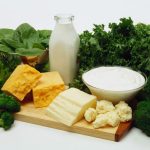
High blood pressure, or hypertension, is a risk factor for stroke, heart disease and other dangerous conditions, but it offers no early warning signs. That’s why it’s so important to have your pressure checked regularly. You can take preventive steps to keep it in line by getting regular exercise and by adding foods that support a healthy blood pressure to your diet. If you’ve already been diagnosed with high blood pressure, follow your doctor’s orders on medication, but know that a better diet is essential to help those medications work — it might even reduce the number of drugs you need. Healthy diets, like DASH (Dietary Approaches to Stop Hypertension), focus on lowering salt and boosting the minerals calcium and potassium through food. Vegetarians and vegans, in particular, tend to have significantly lower blood pressure and lower odds of hypertension than non-vegetarians, in part from all the extra vegetables and fruits (and their fiber) they eat. These are healthful foods everyone can enjoy more of. What other foods can help? Make sure you’re getting between 1,000 and 1,300 milligrams (mg) of calcium every day from foods like milk and yogurt. A report in the Cochrane Database of Systematic Reviews found that 1,500 mg was even more effective. The omega-3 fatty acids in flax seeds seem to be particularly good for blood pressure. Buy whole brown…  read on >

More than one in 10 older female veterans experienced sexual assault while on active duty, a new study shows. Doctors “caring for older women veterans should recognize the prevalence and importance of [military sexual trauma] when assessing patients’ health concerns,” said study author Dr. Carolyn Gibson. Gibson is with the San Francisco VA Health Care System. Her team notes that mandatory screening for military sexual trauma was launched in 2003, and the results indicate the issue has touched the lives of about 1 in 4 female vets. But given that most of the veterans screened were relatively young, Gibson and her team set out to conduct screening focused solely on postmenopausal vets. They found that 13% of older vets reported that they, too, had been the victim of military sexual trauma. Such trauma, said Gibson, was also “strongly associated” with a risk for depression, thoughts of suicide, and post-traumatic stress disorder (PTSD). A higher risk for sleep trouble and chronic pain was also seen. Dr. Stephanie Faubion is medical director of the North American Menopause Society (NAMS). The findings “underscore the importance of trauma screening regardless of a woman’s age,” she said in a NAMS news release. Gibson and her colleagues plan to present their findings Tuesday in Chicago at a meeting of the North American Menopause Society. More information There’s more on military sexual…  read on >

Cyber attackers who target hospital databases mostly go after patient contact and financial information, not medical records, a new study finds. The data that hackers seek could lead to identity theft and financial fraud, according to investigators from Michigan State University in East Lansing, and Johns Hopkins University in Baltimore. Moreover, this is the focus of more than 70% of hospital cyber attacks, the researchers said. Reporting in a pair of studies in the Sept. 23 issue of the Annals of Internal Medicine, the study authors noted that only 2% of hospital breaches ultimately accessed patient medical records. “The major story we heard from victims was how compromised, sensitive information caused financial or reputation loss,” lead author John (Xuefeng) Jiang said in a Michigan State news release. “A criminal might file a fraudulent tax return or apply for a credit card using the Social Security number and birth dates leaked from a hospital data breach,” he added. Jiang is a professor of accounting and information systems at Michigan State. He and his colleagues reviewed more than 1,460 hospital data breaches that occurred across the United States over the last decade. Roughly 169 million patients were affected. The breaches fell into three categories of information: names and contact information; financial data; and medical records. Two million people had their personal health information stolen, amounting to just…  read on >

(HealthDay News) — Pulled muscles occur frequently in athletes. Most strains respond well to nonsurgical treatments, however, some strains can result in partial or complete tears, says the American Academy of Orthopaedic Surgeons. The academy mentions these risk factors for muscle strain: Muscle tightness. Athletes should always stretch. Muscle imbalance, which can occur during high-speed activities. Poor conditioning. Weak muscles are less able to cope with stress. Muscle fatigue, which makes muscles more susceptible to injury. Old age or adolescence. Athletes who participate in football, soccer, basketball, running, sprinting and dancing are especially at risk and should take extra precautions, the academy says.

(HealthDay News) — Bronchitis is an inflammation of the bronchial tube lining, says Mayo Clinic. People who have bronchitis often cough up thick, discolored mucus. Though complications are rare, bronchitis can lead to pneumonia in some people. To help prevent bronchitis, Mayo suggests: Avoid cigarette smoke. Get vaccinated for flu. Wash your hands regularly. Mayo also reminds people to wear a surgical mask if they have chronic obstructive pulmonary disease.

It’s hard to beat the comfort quotient of a hot, bubbling dish of macaroni and cheese, but the fat and calorie overload can be a health disaster. Here’s how to make a lighter version with all the taste intact. Start by choosing a whole grain pasta such as spelt or a gluten-free quinoa pasta. These typically have double the fiber of processed white pasta, plus iron and important B vitamins. Besides cashing in on more nutrients, quinoa pasta is lighter in color than whole-wheat varieties, so the finicky eaters in your house won’t even notice the swap. This recipe gets a flavor boost from extra garlic and uses squash to replace part of the cheese. Squash boosts the vitamin A content of the dish and makes it thick and creamy without having to use a white flour-based roux. You can roast it fresh or buy it precooked and frozen. Lighter Mac ‘N’ Cheese 1 pound macaroni-shaped whole-grain or quinoa pasta 2 teaspoons olive oil 2 cloves garlic, minced 1/2 teaspoon garlic salt 1/4 teaspoon turmeric 1/8 teaspoon black pepper 1 cup skim milk 1/2 cup pureed squash (made with any hard squash such as acorn or butternut) 1-1/2 cups cheddar cheese, shredded Fill a large stockpot with water and bring to a boil. Cook the pasta according to the package instructions. Drain and set aside.…  read on >

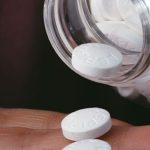
MONDAY, Sept. 23, 2019 (HealthDay News) — Low-dose aspirin may improve survival odds for patients battling head/neck and lung cancer, two new studies suggest. The first reviewed data on 460 patients with head and neck squamous cell carcinoma (HNSCC) or early stage non-small cell lung cancer (NSCLC). That study concluded that taking a non-steroidal anti-inflammatory drug such as low-dose aspirin, along with standard radiation therapy or chemotherapy, increased five-year survival by 8%. The second study focused on 164 patients who underwent a precise, high-dose form of radiation for NSCLC. Of those, 57% who also took aspirin reached the two-year survival mark, compared to 48% of others. Both studies were led by Dr. Anurag Singh, a professor of oncology at Roswell Park Comprehensive Cancer Center in Buffalo, N.Y. Both studies were presented earlier this month at the annual meeting of the American Society for Therapeutic Radiation Oncology in Chicago. Research presented at meetings is typically considered preliminary until published in a peer-reviewed journal. “We were especially interested to see that these patients lived longer even though the anti-inflammatory drugs did not seem to have an impact on the effectiveness of cancer treatment,” said a co-author of the first study, Dr. Austin Iovoli, who is serving a residency at Roswell Park’s Department of Supportive Care. Dr. Gregory Hermann, a resident physician at Roswell Park, was part of…  read on >

Eddie Sullivan, 17, woke up on a Tuesday and found that his chest hurt every time he took a breath. He’d spent that July weekend nauseous with a fever, and the day before doctors had diagnosed him with pneumonia, remembers his mom, Geri Sullivan. “As the day went on, his chest pain became more severe and his breathing became more labored,” said Sullivan, 54, of Delaware County, Pa. “He commented more than once that it felt like he was only able to get enough air out of one lung.” They couldn’t know it at the time, but Eddie was one of 530 people across 38 states who’ve experienced severe lung injuries related to vaping. Eddie is on the mend now, but at one point doctors considered putting him on a ventilator — a prospect that terrified his mom, who lost his father when the boy was just 1 year old. “I really felt like my world was going to crash down again, when I heard those words that he might be put on a ventilator,” Sullivan recalled. Federal health officials are still piecing together exactly what happens in these cases of vaping-related lung injury, but experts said Eddie’s case follows a pattern that appears to be emerging. First signs Many patients first experience gastrointestinal symptoms like nausea, vomiting and diarrhea prior to their respiratory symptoms,…  read on >

Tired of taking the same old cardio class? It’s time to explore some of the combination classes being offered at both large gyms and small, more personalized fitness centers. One of the most popular options is the multi-discipline class — two or more activities woven into the same workout session, designed to keep fitness fun as well as challenge participants and avoid workout ruts. And there are many variations. A very rigorous combination takes the high-calorie burning technique of high-intensity interval training and applies it to strength training moves using only your body weight. By focusing on exercises like lunges and squats and not worrying about grabbing equipment, you can work through the moves quickly. Some creative combo classes mix various forms of dance, so you get a cardio workout as you learn different styles — that’s a great twist if you love Zumba, for instance, but want to shake it up even further. Adding an ab workout to a cardio class is another common offering. As different as they are, most of these mash-ups are designed to burn maximum calories, build lean muscle and increase stamina while keeping you engaged. Clever fitness teachers in your area might offer their own combinations, but some global pioneers have drawn from dynamic activities to make innovative combinations, like mixing Pilates with boxing and dance, and weight-training with…  read on >

This year, when the gang comes over to watch football, score big with these healthy treats. Rich and creamy onion dip with chips is a favorite and so easy to make by mixing sour cream into a flavor packet. But most dip mixes are loaded with MSG, sodium and artificial flavors, plus they have zero nutrition. Instead, make your own in a snap. You’ll keep in the creaminess and keep out the preservatives in that packet. It starts with dehydrated onions that you can find in the spice section of your local grocery store. To make it nutritious, choose plain, protein-rich Greek yogurt. Its tangy taste and creamy thickness is ideal for mimicking sour cream. Then go the extra yard and replace chips with carrots and zucchini spears for dipping. Fast and Easy Onion Dip 3 tablespoons dehydrated onions 2 teaspoons each onion and garlic powder 1 tablespoon each Worcestershire sauce and balsamic vinegar 1 cup plain Greek yogurt Place the dehydrated onions, and onion and garlic powders in a medium bowl and stir. Whisk in the Worcestershire sauce and vinegar. Fold in the yogurt with a spatula and chill for 30 minutes before serving. Yield: 1 generous cup Heart-healthy nuts and seeds make a tasty and filling snack. Choose this spicy blend instead of salted varieties. Sriracha-Spiced Snack Mix 1 teaspoon brown sugar 1/2…  read on >