





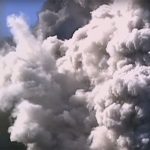
A possible link between World Trade Center dust and prostate cancer in first responders has been found by researchers. Exposure to dust at the New York City site after the Sept. 11, 2001, terrorist attacks triggered chronic inflammation in the responders’ prostates, which may have contributed to their cancer, according to the Mount Sinai Health researchers. They noted that inflammation has long been considered an important factor in prostate cancer. “Several years ago, I saw a first responder in his 40s who began having symptoms of prostatitis, a painful condition that involves inflammation of the prostate, soon after exposure to the World Trade Center dust,” said researcher Dr. William Oh, chief of the division of hematology and medical oncology at Mount Sinai’s Icahn School of Medicine. “He ultimately developed a high-grade prostate cancer several years later. It suggested to me that there might be a link between his exposure and cancer, but I knew that I would need to examine it systematically,” Oh said in a Mount Sinai news release. The study included data from first responders and rats exposed to WTC dust. The researchers said it’s the first study to examine men who were exposed to WTC dust and later developed prostate cancer. Prostate cancer tissues from the first responders and the rats showed immune cell increases that indicate inflammation. The findings suggest that… read on >