









(HealthDay News) — In recent years, high-protein diets have surged in popularity. Though protein is essential for life, too much protein can be a problem, says Harvard Medical School. Getting too much protein is associated with: High cholesterol. Increased cancer risk. Kidney disease and kidney stones. Weight gain. Constipation or diarrhea.
A little about: Weekly Gravy
All Sauce from Weekly Gravy:
Take a New View of Aging

The way you view aging can affect how well you manage stress. Older people who see aging negatively have stronger (negative) emotional reactions to day-to-day stresses, while such events have little effect on the moods of adults who are more positive about getting older. Their sunny outlook acts as a buffer against little annoyances. That’s not all. People who carry negative views also have lower levels of satisfaction and well-being. And they’re more likely to be hospitalized or die young, according to research published in the Journal of Gerontology: Psychological Sciences. Surveys by the nonprofit West Health Institute and the National Opinion Research Center (NORC) at the University of Chicago found that the time to gain a positive perspective on aging is early in life — your 30s and 40s. This is when many people start to have general concerns about the future, such as facing health and financial issues, developing memory problems and losing their independence. The survey found increasing worry among younger people that government programs don’t — and won’t — do enough for seniors. What can you do to ward off such worries? Stay on top of lifestyle habits that help you avoid serious health threats, like diabetes and heart disease, and that maintain mental sharpness. These include eating a healthful diet, doing regular exercise and getting enough sleep. But beyond activities… read on >
Healthy Food May Boost Mood

The food-mood connection isn’t all in your head. In fact, there’s even a name for it — nutritional psychiatry. Scientists in the field are actively looking for connections between diet quality and mental disorders to help treat or even prevent these illnesses. One research review found that a diet high in fruits, vegetables, whole grains and fish may reduce depression risk, with special emphasis on getting the omega-3 fatty acids in fatty fish. Aim for a 3-ounce serving of halibut, salmon, herring, mackerel, oysters, sardines, trout or fresh tuna a few times a week. More Omega-3 Sources Walnuts Flaxseed Chia seeds Pumpkin seeds Other studies have zeroed in on nutrition shortfalls and found a link between depression and deficiencies in vitamin D and the B vitamin folic acid as well as omega-3s. Folic Acid Sources Oranges and grapefruit Strawberries Broccoli Leafy greens If you don’t get some daily sun exposure, it can be hard for your body to make the vitamin D it needs. You can get some D in wild salmon, sardines, egg yolks, mushrooms and fortified milk. Talk to your doctor about a blood test to measure your level and determine if you also need a supplement. How to put all these findings together? Following the classic Mediterranean diet is associated with a reduced risk not only of depression and cognitive impairment, but… read on >
Q Fever? A Bigger Threat to Humans Than Thought

You’ve probably never heard of Q fever, but the bacterial disease may be sickening — and killing — more Americans than once believed, a new study suggests. Caused by a bacteria carried by livestock, Query (Q) fever is a rare disease first discovered in 1947 and is found mostly in dry, dusty areas of California and the Southwest. “Q fever is underdiagnosed in the United States,” said lead researcher Dr. Christine Akamine, assistant professor of medicine at Loma Linda University in California. “We suspect this is because most patients have only mild symptoms and do not present for medical evaluation.” But her research revealed that more patients than expected had severe cases of Q fever — and diagnosis was often delayed. Akamine said increasing awareness of the disease could change that. People can get Q fever either by direct contact with livestock that carry the bacteria, called Coxiella burnetii, or by inhaling the spores carried by dust and wind. For the study, Akamine and colleagues collected data on patients hospitalized for Q fever between 2000 and 2016. Patients lived in a dusty, dry, windy area of Southern California ideal for spread of the disease. Of the 20 patients who were diagnosed with Q fever, three developed chronic cases of the disease and two died, the study found. Most cases of Q fever are mild and… read on >
Aspirin, Anti-Clotting Meds Safe After Bleeding Stroke: Study

Taking aspirin or anti-clotting medicines like Plavix won’t boost the risk of another stroke if you’ve already survived a bleeding stroke, a new study suggests. In fact, they might even help guard against a second brain bleed, the researchers noted. The findings “are reassuring for survivors of brain hemorrhage who need to take antiplatelet [anti-clotting] medicines to prevent heart attacks and strokes. I am keen to [further] investigate the possibility that these medicines might halve the risk of brain hemorrhage happening again,” said study author Rustam Salman, from the Center for Clinical Brain Sciences at the University of Edinburgh, in Scotland. Anti-clotting medicines are often prescribed to older people to reduce their risk of heart attack and another type of stroke caused by a blood clot (ischemic stroke). But there have been concerns that these drugs might increase the risk of another bleeding stroke in people who’d already had one. In this study, the researchers followed 537 bleeding stroke survivors for up to five years. During that time, half took anti-clotting medicines while half did not. A second brain bleed occurred in 12 of those who took anti-clotting medicines and in 23 people who did not take the drugs, the investigators found. This suggests that anti-clotting drugs reduce, rather than increase as feared, the chances of more bleeding in the brain, though further studies are… read on >
Health Tip: Signs of an Unhealthy Relationship
(HealthDay News) — Relationships are a necessary part of healthy living. Though no relationship is perfect, an unhealthy relationship can cause discomfort and harm, says the University of Washington. The school mentions signs of an unhealthy relationship: Neglecting yourself or your partner. Feeling pressure to change who you are or quit activities you enjoy. Frequently feeling the need to justify your actions. Feeling obligated to have sex. Feeling a lack of fairness and equality. If a partner tries to harm you physically or sexually, get help without delay.
Health Tip: Escaping Rip Currents
(HealthDay News) — Most beach rescues performed by lifeguards are caused by rip currents — strong currents that can pull swimmers under, says the American Red Cross. Rip currents can form in any large open area and can be dangerous. To escape a rip current, the Red Cross offers advice: Stay calm and don’t fight it. Either float or swim parallel to the shore until you are out of the current. Turn and swim to shore. If you can’t make it to shore, draw attention to yourself by waving and calling for help. If someone else is caught in a rip current, get help from a lifeguard or call 911 immediately.
Melons Are Powerhouses in Taste, Nutrition
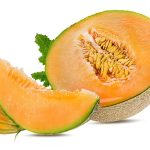
If you’re looking for a tasty way to hydrate in warm weather, a juicy melon is the ticket. Melons are low-calorie, high-water content foods that also provide high doses of certain vitamins, minerals and important phyto-nutrients. Nutrients in Powerhouse Melons Cantaloupe: vitamins A and C, carotenoids, folate and potassium Honeydew: vitamins B and C, potassium and copper Watermelon: lycopene, vitamins A and C, and potassium To pick the perfect melon, gently rap it with your knuckles. If it makes a dull thud, it’s full of juice, and ripe for consumption. As refreshing as it is to bite into a melon, don’t limit yourself to snacking on chunks or wedges. Melons make great ingredients for salads, like the popular combination of watermelon and feta over arugula. Honeydew pairs well with cilantro and lime for a twist on salsa. And there are few easier appetizer recipes than melon and prosciutto, a centuries-old Italian antipasto that’s ideal for entertaining. Here’s a crunchy take on this tasty dish to serve at your next cookout or dinner get-together. The ingredients can be multiplied as needed. Melon and Prosciutto 4 slices prosciutto 1 small ripe cantaloupe, seeded and thinly sliced 2 tablespoons extra-virgin olive oil 2 tablespoons red wine vinegar 1/4 teaspoon salt 1/4 teaspoon freshly ground black pepper 1/4 cup fresh mint leaves, torn into small pieces Preheat your oven… read on >
Earlier Bedtimes Help Kids Fight Obesity

With childhood obesity rates high, many studies have investigated lifestyle factors that can make a difference — which ones increase the risk and which ones reduce it. Beyond diet, a lack of sleep has been linked to weight gain both in adults and children, so it’s important that kids get enough shuteye, even with their — and your — busy schedules. Since a child’s wake-up time is usually determined by when school or day care starts and can’t be easily altered, an earlier bedtime is needed to ensure kids get the sleep they need, according to research published in The Journal of Pediatrics. After following nearly 1,000 kids from birth to age 15, researchers found that attention to sleep needs to start in the preschool years. For instance, 4-year-olds who went to sleep before 8 p.m. cut their obesity risk in half compared to those who went to sleep after 9 p.m. This simple lifestyle modification can make a lifelong health difference. Understandably, this is easier said than done when one or both parents work late, which can delay dinner and evening activities. So parents might need to make compromises or adjustments at least on weeknights when there’s less opportunity for family time. Given the link between sleep and a healthy weight, plus its many other benefits for kids’ well-being, setting that 8 p.m. bedtime… read on >
Mustaches Are More Than Just Manly, They Guard Against Sun’s Rays

For all of those men who view a mustache as a largely ornamental addition to their masculine appearance, a new study reveals it can also guard against lip cancer. “Mustaches seem to protect the lip the same way that hair protects the scalp,” explained study author Dr. Daniel Aires. He is director of dermatology with the University of Kansas Health System. “While this makes intuitive sense, it had not been tested before.” To do just that, Aires and his team examined 200 male patients who had already been diagnosed with a precancerous condition known as actinic keratosis on the head or face. “Actinic keratosis is a scaly spot on the skin that can develop into a dangerous cancer called squamous cell carcinoma,” Aires explained. “Since lip skin is so thin, lip actinic keratoses can invade and become deadly faster than actinic keratoses elsewhere on the skin.” Roughly 3 million Americans are diagnosed with actinic keratosis each year, he noted, accounting for one of every seven dermatology visits. But, “likely many more go undiagnosed and untreated, since studies estimate that more than 10% of adults have actinic keratosis,” he added. Nearly 60 of the men in the study had a long history of sporting substantial “sheltering” mustaches, meaning mustaches that are at least 9 millimeters thick (about a third of an inch). In the end, Aires… read on >