









Air pollution is known to raise the risk of heart disease, strokes and breathing problems, but new research suggests it may also harm something else: kids’ vision. In a study of nearly 30,000 schoolchildren in Tianjin, China, researchers found that kids exposed to higher levels of fine particulate matter (PM2.5) and nitrogen dioxide (NO2) were more likely to develop myopia. Also known as nearsightedness or shortsightedness, myopia causes distant objects to appear blurry while close ones appear clear. “We showed that air pollution contributes to myopia development in children,” study co-author Zongbo Shi, a professor of atmospheric biogeochemistry at the University of Birmingham in the U.K., told The Washington Post. “What this means,” he said, “Is that if their exposure to air pollution is high, the risk to become shortsighted is higher.” The findings were published Sept. 23 in the journal PNAS Nexus. The research combined genetic, lifestyle and environmental data using a machine-learning model. While genetics were the strongest factor in whether a child developed vision problems, air quality also played an important role. Children living in areas with cleaner air tended to have better vision, the study found. In fact, when researchers created “clean air” scenarios, primary schoolers saw almost double the vision improvement compared with older students. What’s more, lifestyle also mattered: Lack of sleep and long hours of screen time increased…  read on >  read on >

Skin-to-skin contact might help kick-start brain development in preterm babies, a new study says. Preemies born before 32 weeks showed stronger development in brain regions tied to emotion and stress regulation if they received more skin-to-skin contact, researchers reported Sept. 24 in the journal Neurology. “Skin-to-skin contact in preterm infants has been shown to have many benefits, with previous studies linking it to improved bonding, sleep, heart and lung function and growth, as well as reduced pain and stress,” said lead researcher Katherine Travis, director of the Laboratory for Language Development and Recovery at Burke Neurological Institute in White Plains, N.Y. “Our findings in infants born very preterm suggest skin-to-skin care may also play a role in shaping early brain development, highlighting the potential importance of caregiving experiences during the earliest weeks of a preemie’s life,” she said in a news release. For the study, researchers studied the development of 88 preterm babies with an average gestational age of 29 weeks. The preemies weighed an average of just under 2.7 pounds and had an average hospital stay of two months. The research team tracked skin-to-skin contact with family members throughout each preemie’s hospitalization, including how long each session lasted and total minutes per day. This sort of care is referred to as “kangaroo care,” named for the way marsupials like kangaroos carry their young in…  read on >  read on >

Skin-to-skin contact might help kick-start brain development in preterm babies, a new study says. Preemies born before 32 weeks showed stronger development in brain regions tied to emotion and stress regulation if they received more skin-to-skin contact, researchers reported Sept. 24 in the journal Neurology. “Skin-to-skin contact in preterm infants has been shown to have many benefits, with previous studies linking it to improved bonding, sleep, heart and lung function and growth, as well as reduced pain and stress,” said lead researcher Katherine Travis, director of the Laboratory for Language Development and Recovery at Burke Neurological Institute in White Plains, N.Y. “Our findings in infants born very preterm suggest skin-to-skin care may also play a role in shaping early brain development, highlighting the potential importance of caregiving experiences during the earliest weeks of a preemie’s life,” she said in a news release. For the study, researchers studied the development of 88 preterm babies with an average gestational age of 29 weeks. The preemies weighed an average of just under 2.7 pounds and had an average hospital stay of two months. The research team tracked skin-to-skin contact with family members throughout each preemie’s hospitalization, including how long each session lasted and total minutes per day. This sort of care is referred to as “kangaroo care,” named for the way marsupials like kangaroos carry their young in…  read on >  read on >

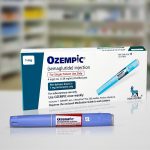
A pill form of the blockbuster weight-loss drug Ozempic can help overweight or obese folks shed excess pounds, a new clinical trial has concluded. People who took a daily semaglutide pill lost nearly 14% of their body weight over 64 weeks, compared with just 2% of those given a placebo, researchers reported recently in The New England Journal of Medicine. Semaglutide is the main ingredient in the GLP-1 drugs Ozempic and Wegovy. “The 25-mg dose resulted in substantial weight loss with a safety profile consistent with that of the GLP-1 class of medications,” wrote the research team led by Dr. Sean Wharton, director of the Wharton Medical Clinic in Ontario, Canada. “Oral semaglutide 25 mg builds on the proven efficacy and established safety and tolerability profile of semaglutide and represents a significant advancement in obesity treatment,” Wharton said in a news release. “People with overweight or obesity have individual preferences, and with oral semaglutide as a potential new treatment option, more of those who are not on treatment today may consider starting GLP-1 treatment,” he added. The new results come on the heels of positive clinical trial results last week for another GLP-1 pill under development, the drug orforgliprion being developed by Eli Lilly and Company. Orforgliprion caused an average 11% weight loss among overweight and obese people after a year and a half, researchers reported…  read on >  read on >

A pill form of the blockbuster weight-loss drug Ozempic can help overweight or obese folks shed excess pounds, a new clinical trial has concluded. People who took a daily semaglutide pill lost nearly 14% of their body weight over 64 weeks, compared with just 2% of those given a placebo, researchers reported recently in The New England Journal of Medicine. Semaglutide is the main ingredient in the GLP-1 drugs Ozempic and Wegovy. “The 25-mg dose resulted in substantial weight loss with a safety profile consistent with that of the GLP-1 class of medications,” wrote the research team led by Dr. Sean Wharton, director of the Wharton Medical Clinic in Ontario, Canada. “Oral semaglutide 25 mg builds on the proven efficacy and established safety and tolerability profile of semaglutide and represents a significant advancement in obesity treatment,” Wharton said in a news release. “People with overweight or obesity have individual preferences, and with oral semaglutide as a potential new treatment option, more of those who are not on treatment today may consider starting GLP-1 treatment,” he added. The new results come on the heels of positive clinical trial results last week for another GLP-1 pill under development, the drug orforgliprion being developed by Eli Lilly and Company. Orforgliprion caused an average 11% weight loss among overweight and obese people after a year and a half, researchers reported…  read on >  read on >

It’s back-to-school time, and young athletes are preparing to hit the field once more for their school or college. However, participation in contact sports could be costing these athletes valuable brain power, according to a new study. Repetitive head impact-related brain injuries can cause a cascade of brain cell loss as well as  inflammation and vascular damage among young athletes participating in sports like football, soccer or ice hockey, researchers reported Sept. 17 in the journal Nature. This damage can affect even players who don’t develop chronic traumatic encephalopathy, the degenerative brain disease caused by repeated head impacts, researchers said. “These results have the potential to significantly change how we view contact sports,” said senior researcher Jonathan Cherry, director of the digital pathology core at the Boston University CTE Center. “They suggest that exposure to repetitive head impacts can kill brain cells and cause long-term brain damage, independent of CTE,” he said in a news release. It’s been suspected that repetitive head impacts start changing the brain years before CTE appears, but proof has been elusive because CTE can only be definitively diagnosed after death. For this study, researchers analyzed frozen human brain tissue from 28 men between 25 and 51 years of age. Eight of the samples came from football or soccer players who hadn’t been diagnosed with CTE, and 11 from contact-sports athletes…  read on >  read on >

It’s back-to-school time, and young athletes are preparing to hit the field once more for their school or college. However, participation in contact sports could be costing these athletes valuable brain power, according to a new study. Repetitive head impact-related brain injuries can cause a cascade of brain cell loss as well as  inflammation and vascular damage among young athletes participating in sports like football, soccer or ice hockey, researchers reported Sept. 17 in the journal Nature. This damage can affect even players who don’t develop chronic traumatic encephalopathy, the degenerative brain disease caused by repeated head impacts, researchers said. “These results have the potential to significantly change how we view contact sports,” said senior researcher Jonathan Cherry, director of the digital pathology core at the Boston University CTE Center. “They suggest that exposure to repetitive head impacts can kill brain cells and cause long-term brain damage, independent of CTE,” he said in a news release. It’s been suspected that repetitive head impacts start changing the brain years before CTE appears, but proof has been elusive because CTE can only be definitively diagnosed after death. For this study, researchers analyzed frozen human brain tissue from 28 men between 25 and 51 years of age. Eight of the samples came from football or soccer players who hadn’t been diagnosed with CTE, and 11 from contact-sports athletes…  read on >  read on >

“Heading” the ball might affect amateur soccer players’ brain health, a new study says. Players who used their heads to pass or deflect a soccer ball were more likely to develop changes within the folds of their brains, researchers reported Sept. 17 in the journal Neurology. These folds are in the wrinkly outer area of the brain called the cerebral cortex. Athletes with more of these brain changes performed worse on cognitive tests, researchers said. “People who experienced more impacts from headers had more disruptions within a specific layer in the folds of the brain, and that these disruptions were also linked to poorer performance on thinking and memory tests,” senior researcher Dr. Michael Lipton, a professor of radiology with Columbia University said in a news release. The study adds more evidence to concerns over how sports-related head impacts and concussions affect players’ brain health, researchers said. For the study, researchers performed brain scans on 352 amateur soccer players in the greater New York City area, as well as 77 other athletes participating in non-collision sports. Amateur players in the study were 26 years old on average. The soccer players were divided into four groups based on how often they headed the ball during play. The highest group had an average of 3,152 headers per year, compared to 105 headers in the lowest group. Scans…  read on >  read on >

“Heading” the ball might affect amateur soccer players’ brain health, a new study says. Players who used their heads to pass or deflect a soccer ball were more likely to develop changes within the folds of their brains, researchers reported Sept. 17 in the journal Neurology. These folds are in the wrinkly outer area of the brain called the cerebral cortex. Athletes with more of these brain changes performed worse on cognitive tests, researchers said. “People who experienced more impacts from headers had more disruptions within a specific layer in the folds of the brain, and that these disruptions were also linked to poorer performance on thinking and memory tests,” senior researcher Dr. Michael Lipton, a professor of radiology with Columbia University said in a news release. The study adds more evidence to concerns over how sports-related head impacts and concussions affect players’ brain health, researchers said. For the study, researchers performed brain scans on 352 amateur soccer players in the greater New York City area, as well as 77 other athletes participating in non-collision sports. Amateur players in the study were 26 years old on average. The soccer players were divided into four groups based on how often they headed the ball during play. The highest group had an average of 3,152 headers per year, compared to 105 headers in the lowest group. Scans…  read on >  read on >

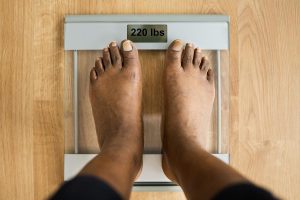
Cutting-edge drugs like Ozempic and Zepbound are all the rage for dropping excess pounds, but weight-loss surgery might have a better impact on people’s health, a new study says. People who had weight-loss surgery lost more weight, lived longer and faced fewer serious health problems compared to those prescribed GLP-1 drugs, researchers reported Sept. 16 in the journal Nature Medicine. “Even with today’s best medicines, metabolic surgery offers unique and lasting benefits for people with obesity and diabetes,” senior researcher Dr. Ali Aminian, director of the Cleveland Clinic’s Bariatric & Metabolic Institute, said in a news release. “The benefits we observed went beyond weight loss,” he said. “Surgery was linked to fewer heart problems, less kidney disease and even lower rates of diabetes-related eye damage.” For the study, researchers tracked nearly 4,000 people with diabetes and obesity treated at the Cleveland Clinic between 2010 and 2017. Participants included more than 1,600 who underwent bariatric procedures like gastric bypass or sleeve gastrectomy, and nearly 2,300 treated with GLP-1 drugs. After around six years of follow-up, people who got weight-loss surgery had a: 32% lower risk of death. 35% lower risk of major heart problems. 47% lower risk of serious kidney disease. 54% lower risk of diabetes-related vision loss. Surgery patients also lost more weight — nearly 22% over 10 years, compared with just under 7% for…  read on >  read on >