








MONDAY, Jan. 13, 2025 (HealthDay news) — The sleep aid Ambien could be allowing toxic proteins to pollute the brain, potentially increasing a person’s risk of disorders like Alzheimer’s disease. Drugs like the main ingredient in Ambien, zolpidem, suppresses a system designed to clear protein waste from the brain during dreamless sleep, a mouse study published Jan. 8 in the journal Cell shows. The study “calls attention to the potentially detrimental effects of certain pharmacological sleep aids on brain health, highlighting the necessity of preserving natural sleep architecture for optimal brain function,” senior researcher Dr. Maiken Nedergaard, co-director of the University of Rochester Center for Translational Neuromedicine, said in a news release. For the study, researchers used brain imaging along with electrical brain readings to track the activity in lab mice of the glymphatic system, a brain-wide network responsible for clearing away waste proteins. They found that tightly synchronized oscillations occur in the brain during deep sleep, involving cerebral blood, spinal fluid and the biochemical norepinephrine. Norepinephrine is a brain chemical involved in the “fight or flight” response, and is associated with arousal, attention and stress. During sleep, norepinephrine triggers rhythmic constriction of blood vessels independent of a person’s heartbeat, researchers found. This oscillation generates the pumping action that powers the glymphatic system, which removes toxic proteins like tau and amyloid — proteins known to…  read on >  read on >

A fecal transplant could help people whose type 1 diabetes has fouled up their digestive system. Swallowing a handful of capsules filled with donor feces helped ease gut pain, nausea, bloating and diarrhea stemming from diabetes, researchers reported in a study published recently in the journal EClinicalMedicine. “The patients experienced a significant improvement in their quality of life and symptoms, far beyond what we observed with placebo,” lead researcher Dr. Katrine Lundby Høyer, a gastroenterologist with Aarhus University Hospital in Denmark, said in a news release from the college. This is the first time fecal transplant has been tested in type 1 diabetics against a placebo, and “the results are very promising,” Høyer added. As many as a quarter of type 1 diabetics suffer from diabetic gastroenteropathy, a condition in which the nerves that regulate the GI tract become damaged. Few treatment options are available, so researchers decided to see if a fecal transplant might be able to restore gut health in these patients, Høyer said. In fecal transplant, bacteria from a healthy person’s gut is transferred into a person with GI problems. The procedure is frequently used to treat C. difficile, a harmful bacteria that can cause severe diarrhea if it colonizes a person’s gut. For this study, researchers recruited 20 type 1 diabetes patients and randomly assigned them to receive either a fecal…  read on >  read on >
Text-based support programs are one of the best ways to help young people quit vaping, a new evidence review says. These texts offer motivational messages and tips for quitting vaping. “I think it’s clear that this approach helps young people,” senior researcher Jamie Hartmann-Boyce, an assistant professor of health policy and management at the University of Massachusetts Amherst, said in a news release from the college. “The question is, is it going to help other populations?” The review also found evidence that the quit-smoking drug varenicline might also help folks quit vaping. However, there still aren’t enough studies available to point to any concrete, tried-and-true methods for quitting vaping, researchers said in a study published Jan. 8 in the Cochrane Database of Systematic Reviews.. “This is an area of research that is in its infancy, but is growing rapidly and organically from people who vape asking about help to quit vaping,” Hartmann-Boyce said. Previous reviews have found that e-cigarettes can help people quit smoking more effectively than other nicotine replacements like patches, gums or lozenges, researchers said. But what to do when one wants to quit vaping, which also involves nicotine addiction? “We also know that people who use vaping as a way to transition away from smoking are often keen to know how they can safely transition away from vaping without relapsing to smoking,…  read on >  read on >

The clock is running for people who’ve been diagnosed with dementia, but the time they have left depends on their age. Average life expectancy for people with dementia is largely based on their age at diagnosis, researchers found in a new evidence review. Dementia reduces life expectancy by about 2 years for those diagnosed at age 85, 3 to 4 years for those diagnosed at 80, and up to 13 years with a diagnosis at 65, researchers reported in a study published Jan. 8 in The BMJ. “About one third of remaining life expectancy was lived in nursing homes, with more than half of people moving to a nursing home within five years after a dementia diagnosis,” concluded the team led by senior researcher Dr. Frank Wolters, a senior scientist in epidemiology with the Erasmus MC University Medical Center in Rotterdam, The Netherlands. One of the challenges of dementia involves planning for a person’s care following diagnosis, and these plans can hinge on how long a person will live with the degenerative brain condition, researchers said in background notes. Nearly 10 million people worldwide are diagnosed with dementia every year, researchers said. However, current life expectancy estimates vary widely, and haven’t been updated for more than a decade. For this evidence review, researchers analyzed data from 261 prior studies involving more than 5.5 million people with…  read on >  read on >

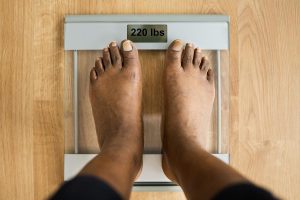
When it comes to living a longer life, staying active may matter far more than what the scale says. Per the largest study yet on fitness, body weight, and longevity published recently in the British Journal of Sports Medicine, researchers found that people who are aerobically fit (i.e., how well your heart, lungs, and muscles work together to supply oxygen during exercise) significantly reduce their risk of premature death, even if they are obese. In fact, being fit cut the risk of premature death by half for people with obesity, compared to those of normal weight who were unfit. “This tells us that it’s much more important, all things considered, to focus on the fitness aspect” of health and longevity, “rather than the fatness aspect,” Siddhartha Angadi, senior author of the study and an exercise physiologist at the University of Virginia, told The Washington Post. The review pooled data from 20 prior studies involving nearly 400,000 midlife and older adults from multiple countries, about 30% of whom were women. Participants were grouped based on their aerobic fitness, which was objectively measured through cardiovascular stress tests, and their body mass index (BMI). They also pulled data about who’d died during follow-up periods of up to about two decades. The findings were clear: People who were fit and overweight or obese had similar risks of death as…  read on >  read on >

Movement is medicine, or so they tell people with knee osteoarthritis — but are they right? A recent evidence review calls into question just how helpful exercise can be for easing the pain of knee arthritis. “Exercise probably results in an improvement in pain, physical function, and quality of life in the short‐term,” concluded the research team led by Belinda Lawford, a research fellow in physiotherapy with the University of Melbourne in Australia. “However, based on the thresholds for minimal important differences that we used, these benefits were of uncertain clinical importance,” the team added in its report published previously in the Cochrane Library. The review casts a slight shadow on what has been considered an integral part of therapy for knee pain. “Movement is an essential part of an osteoarthritis treatment plan,” the Arthritis Foundation says on its website, recommending that people take part in strength training, stretching, aerobics, and balance exercises. For the new review, the team evaluated data from 139 prior clinical trials involving nearly 12,500 participants that occurred up through early Jan. 2024. On a 100-point scale, exercise for knee arthritis improved: Pain by 8.7 to 13.1 points Physical function by 9.7 to 12.5 points Quality of life by 4.2 to 6.1 points But while those were significant improvements, they did not always meet established scores for making a minimal important…  read on >  read on >

The Mediterranean diet is renown for its ability to improve heart health and help folks lose weight. Now a new rat study says this eating pattern also might provide folks a boost in brain power. Lab rats fed a Mediterranean diet developed changes in gut bacteria that researchers linked to better memory and improved cognitive performance, according to results published recently in the journal Gut Microbes Reports. “Our findings suggest that dietary choices can influence cognitive performance by reshaping the gut microbiome,” lead researcher Rebecca Solch-Ottaiano, a neurology research instructor at Tulane University’s Clinical Neuroscience Research Center, said in a news release from the college. For the study, researchers fed rats a diet rich in olive oil, fish and fiber over 14 weeks. The young rats were approximately equivalent in age to 18-year-old humans. The rats showed increases in four beneficial types of gut bacteria, compared to another group of rats eating a Western-style diet high in saturated fats. These changes in gut bacteria were linked to improved performance on maze challenges designed to test the rats’ memory and learning abilities, researchers said. The Mediterranean diet group also showed better cognitive flexibility, or the ability to adapt to new information, results show. They also had better short-term “working” memory. These results suggest that teenagers and young adults whose brains and bodies are still maturing could…  read on >  read on >

Rates of whooping cough in the U.S. continue to climb, according to data from the US Centers for Disease Control (CDC). Over 32,000 cases reported have been reported as of mid-December — about six times more than there were at this time last year, and more than there have been since 2014, according to CNN. Whooping cough, also known as pertussis, is a very contagious respiratory illness that spreads through bacteria in the air. It is common in the United States, with frequent outbreaks. Reported cases have been climbing for several months with about a quarter of all cases reported in Illinois, Indiana and other states in the Midwest. Pennsylvania has more reported cases compared to other states. Some states, such as Oregon, ticked a record high number of cases recently. For 2024, Oregon recorded the highest number of whooping cough cases since 1950, a news release stated. Typically, the infection starts with cold-like symptoms before a serious, full-body cough can develop. The name comes from the sound people make as they try to catch their breath between coughs. The coughing can last for several weeks or even months. Cases dropped during the pandemic, but according to the CDC, recent trends suggest that the U.S. is returning to pre-pandemic levels. Whooping cough can be serious for people of all ages, yet children younger than one…  read on >  read on >

Turns out, starting physical therapy earlier after a concussion may significantly improve recovery outcomes. A new study published recently in the Physical Therapy & Rehabilitation Journal followed just over 200 adults recovering from mild traumatic brain injuries, or concussions, who were within two to 12 weeks from their injury. Researchers found that those who started physical therapy within two months of their injury reported fewer symptoms, better balance, and quicker reaction times compared to those who delayed therapy. Participants were split into two groups: 82 began physical therapy just seven days after joining the study (around 56 days post-injury), while 121 waited six additional weeks (around 99 days post-injury). Both groups completed eight therapy sessions over six weeks, focusing on balance, cervical spine exercises, and cardiovascular health, alongside a home program. “There seems to be a window of opportunity within two months,” Laurie King, senior study author and professor of neurology at Oregon Health & Science University, said in a news release. “After that point, the brain compensates in a way that’s not good.” For the estimated 30% of people who experience persistent symptoms — including dizziness, balance issues, and cognitive challenges — King emphasized the importance of timely intervention. “Correctly identifying this group is the challenge,” she noted. The researchers noted that delayed PT patients appeared to rely more on vision to maintain balance,…  read on >  read on >

A new diet is on the New Year’s resolution list for nearly half of U.S. adults, according to a new survey from the Physicians Committee for Responsible Medicine. However, many plan to pick up diets with dicey track records, survey results show. About 46% of adults said they plan to start a new diet in 2025, the survey found. When asked which diets they plan to try, results show that:  40% said they’ll eat fewer calories. 26% said they’ll try a low-carb diet like keto, Atkins or South Beach. 7% said they’ll eat a plant-based diet. Research has shown that a plant-based or vegan diet is among the most effective means for losing weight and keeping it off, experts said. “Counting calories can be time consuming and create a negative relationship with food for some people, and low-carbohydrate diets come with a range of side effects,” Dr. Roxanne Becker, medical editor with the Physicians Committee, said in a news release from the group. “Research has shown that plant-based diets are effective for weight loss without purposefully restricting or counting calories,” Becker continued. “This is because plants tend to be naturally lower in calorie density and higher in fiber, which promotes a feeling of fullness.” The committee pointed to a 2017 study in which obese or overweight New Zealand residents ate a whole-food, plant-based diet for…  read on >  read on >