







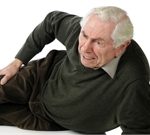
Bad balance is a common cause of dangerous falls, especially among older adults. Falls send more than 2 million adults to the emergency room every year and often result in lengthy rehab stays. Preventing falls is a priority for staying healthy and preventing painful broken bones as you age. Easy strength and balance exercises that you can do anytime, anywhere, such as tai chi and yoga, can help you stay steady on your feet. But first it’s important to know how good (or lacking) your balance is. Grab a friend or loved one, a sturdy chair and a stopwatch to check your balance with a quick test called the single leg stance. It basically involves standing on one leg, and doctors use it to predict who might be at risk of falling. Stand barefoot in front of the chair but don’t touch it. Cross your arms. Lift one leg up off the floor and start the timer. As you feel yourself start to sway, immediately steady yourself with the chair and stop the timer. Here are the average times that indicate good balance when you stand on one leg based on age: Ages 18-39: 43 seconds for men and women Ages 40-49: 40 seconds for men and women Ages 50-59: 36 seconds for women, 38 for men Ages 60-69: 25 seconds for women, 28 for…  read on >
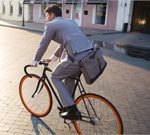
Leave your car in the garage if you can: A new study suggests that walking or biking to work could cut your risk of a heart attack. The researchers analyzed 2011 data from 43 million working adults in England and found that 11.4% were active commuters, with 8.6% walking to work and 2.8% cycling to work. In areas where walking or cycling to work were more common in 2011, the incidence of heart attacks fell among men and women over the next two years. Major heart disease risk factors include inactivity, being overweight, smoking and diabetes, the study authors noted. After adjusting for those factors, the investigators found that women who walked to work in 2011 had a 1.7% lower risk of heart attack in the following year, and men who cycled to work had the same reduction in heart attack risk. The University of Leeds study was published online recently in the European Journal of Preventive Cardiology. The findings show “that exercise as a means of commuting to work is associated with lower levels of heart attack. The benefits of regular exercise are numerous and we support initiatives to help everyone become and stay active,” study co-author Alistair Brownlee said in a university news release. Lead author Chris Gale added, “Whilst we cannot conclusively say that active travel to work lowers the risk of…  read on >

Playing sports may improve the brain’s ability to process sounds, a finding that could lead to new therapies for people who struggle with hearing, researchers report. “No one would argue against the fact that sports lead to better physical fitness, but we don’t always think of brain fitness and sports,” said study senior author Nina Kraus. She’s a professor of communication sciences and neurobiology at Northwestern University, in Evanston, Ill. “We’re saying that playing sports can tune the brain to better understand one’s sensory environment,” added Kraus, director of the university’s Auditory Neuroscience Laboratory. The study included 495 female and male Northwestern student athletes and a control group of 493 age- and sex-matched non-athletes. The participants’ brain activity was monitored while they wore earbuds that delivered speech sounds. The athletes were more adept than those in the control group to tune out background noise to better process the speech sounds, according to the study published Dec. 9 in the journal Sports Health. That skill can be useful for athletes when they’re trying to hear a teammate or coach calling to them during a game. Kraus equated it to listening to a DJ on the radio. “Think of background electrical noise in the brain like static on the radio,” Kraus said in a university news release. “There are two ways to hear the DJ better: minimize…  read on >

(HealthDay News) — Hiking in the chilly weather can be a fun way to stay active. But before you head out on the trail, it’s important to prepare for unexpected conditions. For safe winter hiking, the North Country Trail Association has this advice: Never go out alone. Always make sure someone knows where you are going. Beware of reduced visibility. Bring lights, a map and other safety items. Don’t forget food, water and a first aid kit. Always wear proper footwear, and dress in layers. Beware of hypothermia. Keep extra dry, warm clothes in your backpack.

With the arrival of winter, it’s time for skiing, sledding and ice skating, but it’s also when snow blindness can strike. Snow blindness is like a sunburn in the eyes. It’s caused by the same UV rays that give you that summer tan. In the case of snow blindness, the rays are reflected off the snow and into your eyes, explained experts from Ohio State University’s Wexner Medical Center. The cornea is the outer dome of the eye. It is covered by a thin layer of cells called the epithelial layer. UV light can burn this layer just as it burns your skin. UV burns to the cornea are called photokeratitis. Inflammation of the epithelial layer can result in blurred vision. When this happens after being outside on a bright snowy day, it is commonly referred to as snow blindness. Snow blindness can cause your eyes to feel burning, itching, stinging or intense pain. The same condition can result from being on the water or a beach as UV rays are reflected off the water or sand. Photokeratitis can also occur at high elevations where less UV light is absorbed by the atmosphere, the experts noted in a medical center news release. The best way to protect yourself is to use UV-light protective eyewear, the Ohio State team said. This can be either sunglasses or…  read on >

(HealthDay News) — Before you accept the challenge of running a marathon, it’s important to make sure you and your body are prepared, says Rush University Medical Center. The school provides eight marathon training tips for the prospective runner: Get a checkup. Ask your doctor if your heart can handle the stress of a marathon. Create a marathon training plan at least four months before the race. Pace yourself. Figure out how far and fast you should run. Find shoes that fit your feet, gait and body type. Take a break. If you’re feeling achy or worn out, take the day off. Make sure you drink extra fluids throughout your training. Join a running group to stay motivated and learn practical advice. Learn how to distinguish minor strains from serious injuries.

The holiday season can give you real headaches, but you can take action to prevent them, an expert says. To reduce stress, make plans well in advance and know your limits, advised Dr. Bing Liao, a neurologist at Houston Methodist. “The nature of the holiday season already increases stress levels, so finding small ways to reduce schedule stress can help ward off a headache,” Liao said in a hospital news release. “This can mean planning well in advance to avoid the hassle of making last minute travel plans, or deciding not to attend a party at the end of a long day.” Be sure you have an adequate supply or a refill of your prescription medications before the holidays, she advised. Missing doses or cutting back could trigger a headache or even serious side effects. “Don’t binge anything during the holidays — food, alcohol, or television,” Liao said. “We all know how a hangover can affect the brain, but most don’t realize that overeating can also trigger a headache. And having the next day off from work doesn’t mean you should stay up late watching holiday movies. The brain needs the same amount of sleep during the holidays as it does the rest of the year, so stick with your usual bedtime.” Running holiday errands can lead to skipped meals and dehydration, which can trigger…  read on >

If you can tackle a tough workout, that may bode well for your longevity, new research suggests. A woman’s risk of dying from heart disease, cancer or other causes is much lower if she can engage in vigorous exercise, scientists report. The new study included more than 4,700 middle-aged and older women, average age 64, who were referred for treadmill exercise echocardiography because they had known or suspected coronary artery disease. The women walked or ran on a treadmill with a gradual increase in intensity, and continued until they were exhausted. During a median follow-up of 4.6 years, there were 345 heart-related deaths, 164 cancer deaths and 203 deaths from other causes. After adjusting for other factors, the researchers concluded that high exercise capacity was significantly associated with lower risk of death during follow-up, though the study didn’t prove a cause-and-effect link. The annual rate of death from heart disease was nearly four times higher in women with poor exercise capacity (2.2%) than in those with good exercise capacity (0.6%), the investigators found. The annual rate of cancer deaths was twice as high among women with poor exercise capacity (0.9%) than those with good exercise capacity (0.4%), and the annual rate of death from other causes was more than four times higher among those with poor exercise capacity (1.4%) than those with good exercise capacity…  read on >

(HealthDay News) — Figuring out which nutrition and exercise information is trustworthy may be difficult, says the National Institute of Diabetes and Digestive and Kidney Diseases. The agency debunks these common misconceptions: Bread, pasta and rice are not necessarily fattening. Try to eat whole grains to feel fuller. You do not have to avoid all fats if you’re trying to lose weight. Go for foods with healthy fats, such as avocados and nuts. Dairy products may not be unhealthy. Adults should have three servings a day of low-fat dairy products. Physical activity does not have to be for long periods. You can perform short spurts of activity during the week. Lifting weights will not always make you look “too bulky.” Only intense strength training will build large muscles.

The holiday season can give you real headaches, but you can take action to prevent them, an expert says. To reduce stress, make plans well in advance and know your limits, advised Dr. Bing Liao, a neurologist at Houston Methodist. “The nature of the holiday season already increases stress levels, so finding small ways to reduce schedule stress can help ward off a headache,” Liao said in a hospital news release. “This can mean planning well in advance to avoid the hassle of making last minute travel plans, or deciding not to attend a party at the end of a long day.” Be sure you have an adequate supply or a refill of your prescription medications before the holidays, she advised. Missing doses or cutting back could trigger a headache or even serious side effects. “Don’t binge anything during the holidays — food, alcohol, or television,” Liao said. “We all know how a hangover can affect the brain, but most don’t realize that overeating can also trigger a headache. And having the next day off from work doesn’t mean you should stay up late watching holiday movies. The brain needs the same amount of sleep during the holidays as it does the rest of the year, so stick with your usual bedtime.” Running holiday errands can lead to skipped meals and dehydration, which can trigger…  read on >