









All Sauce from Weekly Gravy:

Both the World Health Organization and Eli Lilly Co. warned Thursday that consumers should avoid fake versions of weight-loss drugs that are circulating in numerous countries. The WHO warning said that the international health agency has fielded several reports of fake semaglutide — the active ingredient in Novo Nordisk’s Wegovy and Ozempic — in all geographic regions of the world since 2022. “WHO advises healthcare professionals, regulatory authorities and the public be aware of these falsified batches of medicines,” Dr. Yukiko Nakatani, WHO Assistant Director-General for Access to Medicines and Health Products, said in the warning. “We call on stakeholders to stop any usage of suspicious medicines and report to relevant authorities.” Meanwhile, Lilly said in an open letter that it was “deeply concerned” about phony or compounded versions of tirzepatide, the active ingredient in the Lilly weight-loss drugs Mounjaro and Zepbound. “These [fake] products are often advertised and sold online, through social media or at certain med-spas,” Lilly said in its letter. “They may contain no medicine, the wrong medicine, incorrect dosages or multiple medicines mixed together, which could result in serious harm. They are never safe to use.” Novo Nordisk has issued similar warnings in the past about its medications. The WHO said patients can protect themselves by using prescriptions from licensed physicians to buy the medications. Consumers should also avoid buying the drugs from unfamiliar sources, the…  read on >  read on >
Can you trust your gut? UCLA researchers have shown that people who rank high in resilience — meaning they accept change positively and follow their instincts — have the bacteria living in their bellies in part to thank for it.  Their new study looked at the brains and gut microbiomes of people who cope effectively with different types of stress, including social isolation and discrimination. Finding ways to prevent stress can help prevent heart disease, stroke, obesity and diabetes, researchers explained. “If we can identify what a healthy resilient brain and microbiome look like, then we can develop targeted interventions to those areas to reduce stress,” said senior study author Arpana Gupta, co-director of the UCLA Goodman-Luskin Microbiome Center. For the study, Gupta’s team surveyed 116 people about their resiliency and divided them into two groups — one ranked high in resilience, the other ranked low. Participants gave stool samples and underwent MRI brain scans. The study found that folks who were highly resilient had brain activity in regions associated with emotional regulation and better thinking skills than the group with low resilience.  “When a stressor happens, often we go to this aroused fight-or-flight response, and this impairs the breaks in your brain,” Gupta said in a UCLA news release. “The highly resilient individuals in the study were found to be better at regulating their…  read on >  read on >

They aren’t exactly ready to open a jungle clinic, but new research suggests wild chimpanzees are practicing a kind of medicine. Fifty-one chimps living in two communities in Uganda appear to select edible plants specifically for their medicinal qualities, reports a team led by Elodie Freymann of the University of Oxford in the UK. The chimpanzees appeared to add certain plants to their diet when battling a sickness that they didn’t normally consume when healthy. Freymann’s team suspected this might be a kind of self-medication, so they tested the pharmacologic properties of these plants in the lab. Reporting June 20 in the journal PLOS One, they found that 88% of the 13 trees and herbs the chimps sought out when ill contained anti-bacterial properties, while 33% were anti-inflammatory. For example, “dead wood from a tree in the Dogbane family (Alstonia boonei) showed the strongest antibacterial activity and also had anti-inflammatory properties, suggesting that it could be used to treat wounds,” according to an Oxford news release on the study. The bark and resin of the mahogany tree and leaves from a species of fern (Christella parasitica) also had strong anti-inflammatory properties, Freymann’s group found. In fact, one male chimpanzee with an injured hand gathered the fern leaves, perhaps to ease pain, the team noted. In another incident, a chimp who was battling a parasitic infection…  read on >  read on >

Transgender and bisexual adults have rates of loneliness that are much higher than that of cisgender and heterosexual people, new data shows. Federal health data on U.S. adults from 2022 finds the highest rates of self-reported loneliness among people who identify as bisexual (56.7%) or transgender (rates ranging from 56.4% to 63.9%), according to researchers at the U.S. Centers for Disease Control and Prevention. That’s compared to the 30.3% of straight people who said they often felt lonely, and the 32.1% of cisgender people who said they were lonely. Cisgender people have a gender identity that corresponds with the one they were assigned at birth. “Addressing the threat to mental health among sexual and gender minority groups should include consideration of loneliness and lack of social and emotional support,” concluded the team led by Katherine Bruss. She’s with the CDC’s National Center for Chronic Disease Prevention and Health Promotion. As Bruss’ team noted, feeling connected to others socially brings “significant health benefits,” including “a sense of belonging, and of being cared for, valued and supported.” On the other hand, loneliness has long been tied to ailments such as depression, anxiety, heart disease and diabetes. Bruss’ group say there’s been a lack of data on loneliness rates among LBGTQ+ populations. In the federal government’s Behavioral Risk Factor Surveillance System, adults were asked questions like, “How often…  read on >  read on >

A Colombian family’s genetics are shining a spotlight on a gene that might help protect people from the ravages of Alzheimer’s disease. About 1,200 out of 6,000 family members carry a genetic variant called the “Paisa mutation,” which dooms them to early Alzheimer’s, researchers said. But 28 family members with the Paisa mutation dodged early Alzheimer’s, apparently because they carry another gene that protects against the degenerative brain disease, researchers reported June 20 in the New England Journal of Medicine. The study represents the first evidence that having this other gene — known as the “Christchurch variant” — might confer some protection against inherited Alzheimer’s, researchers said. Drugs and therapies focusing on this genetic pathway might be capable of preventing or treating dementia and Alzheimer’s in others, said co-lead author Yakeel Quiroz, director of the Familial Dementia Neuroimaging Lab at Massachusetts General Hospital. “As a clinician, I am highly encouraged by our findings, as they suggest the potential for delaying cognitive decline and dementia in older individuals,” Quiroz said in a hospital news release. “Now we must leverage this new knowledge to develop effective treatments for dementia prevention.” The study focused on variants of the apolipoprotein E (APOE) gene. The APOE4 variant is known to increase the risk of Alzheimer’s, and is linked to developing a more severe form of dementia, according to the Mayo…  read on >  read on >

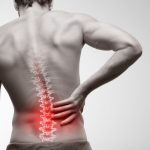
If you’ve recovered from lower back pain, try walking away from a recurrence. New research out of Australia shows that folks who started a walking regimen kept recurrent back pain episodes at bay for much longer than people who didn’t. “We don’t know exactly why walking is so good for preventing back pain, but it is likely to include the combination of the gentle oscillatory movements, loading and strengthening the spinal structures and muscles, relaxation and stress relief, and release of ‘feel-good’ endorphins,” said senior study author Mark Hancock. He’s a professor of physiotherapy at Macquarie University in Sydney. Over 800 million people around the world suffer from low back pain, according to background information from the study authors. In 7 of 10 cases, the pain will ease — only to return later. Special exercise programs, along with educating patients about back pain, are typically part of standard care aimed at preventing a recurrence. Hancock’s team wondered if plain old walking might help. “Walking is a low-cost, widely accessible and simple exercise that almost anyone can engage in, regardless of geographic location, age or socio-economic status,” he reasoned in a Macquarie news release. In the new trial, 701 adults who had recently recovered from an episode of low back pain were randomized to either an individualized walking program and six physiotherapist-guided education sessions over six…  read on >  read on >

A class of blood pressure medications appears to also help lower seniors’ risk of developing epilepsy, a new study finds. The drugs, called angiotensin receptor blockers (ARBs), might prevent epilepsy in people at highest risk of the disease, researchers reported June 17 in the journal JAMA Neurology. “This is incredibly exciting because we don’t currently have any medicines that prevent epilepsy,” said senior researcher Dr. Kimford Meador, a professor of neurology at Stanford University School of Medicine. “I hope these initial findings lead to randomized clinical trials.” Epilepsy is most often diagnosed during childhood, but more than 1% of people older than 65 are known to develop the recurring seizures associated with the brain disorder. Stroke is the most common risk factor for developing epilepsy as a senior. About 10% of stroke survivors develop seizures within five years, researchers noted. Hardened arteries and chronic high blood pressure also boost epilepsy risk, whether or not a person has had a stroke, the researchers added. “This can be a very debilitating disorder, and it’s much more common in older adults than people realize,” Meador said in a Stanford news release. A 2022 study of more than 160,000 people in Germany found that people taking ARBs for high blood pressure had a lower risk of epilepsy, researchers said. Those drugs block receptors for angiotensin II, a protein that…  read on >  read on >

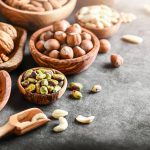
Folks dieting to drop pounds should consider eating a fistful of nuts here and there, a new review suggests. People who ate 1.5 to 3 ounces of almonds, peanuts, pistachios or walnuts daily as part of a calorie-cutting diet wound up losing more weight than those on the same diet without nuts, researchers said. In fact, people on “nut-enriched” diets lost an extra 3 to 16 pounds compared to folks on nut-free diets, results show. “People often avoid nuts when trying to lose weight because they think that the energy and fat content in nuts can contribute to weight gain,” said senior researcher Alison Coates, dean of research in allied health and human performance with the University of South Australia. Instead, it looks like nuts might help curb hunger more effectively. “Nuts are rich in healthy unsaturated fats, plant protein and dietary fiber, all of which play a role in promoting satiety and reducing excess calorie consumption,” Coates said in a university news release. “Nuts are associated with improved cardiovascular and metabolic health, better gut health and enhanced cognitive performance.” For the review, researchers analyzed the findings of seven randomized controlled trials involving diets that cut food intake between 240 and 1,000 calories a day. The studies lasted from a month to a year, and involved 676 people who were overweight or obese. None of…  read on >  read on >

Cyberbullying and sexual harassment are rampant in the world of professional video gaming and online gaming, a new study reports. Nearly 96% of 145 video game players from 14 countries said they had been targeted online in the previous year. “It’s not just an isolated incident,” said lead researcher Louise Trudgett-Klose, a doctoral student in psychology with the University of South Austrialia. “The fact that 96% of players – professional or otherwise – experienced cyberbullying in the previous 12 months suggests that toxic behaviors are prevalent in the gaming community,” Trudgett-Klose noted in a university news release. Women and professional e-sports players are the most common targets of abuse, results show. Women are targeted most often for sexual harassment in the world of gaming, particularly as they rise through the elite ranks, researchers found. Women make up 46% of the world’s 3 billion video game players, and represent 16% of e-sports competitors and content creators, researchers said in background notes. “There was a definite link between the level of professional gaming and the incidence of cyberbullying, and sexual harassment for women players,” Trudgett Klose said. “The more professional a player becomes, the more they are exposed to hostile behavior.” Gaming professionals who attracted the most fame, with a large fan base and heavy presence on social media platforms, were exposed to the worst levels of…  read on >  read on >

The number of people severely sickened after consuming mushroom edibles sold as Diamond Shruumz-brand chocolate bars, cones or gummies has risen, the U.S. Food and Drug Administration said Tuesday. “As of June 17, 2024, a total of 26 illnesses have been reported from 16 states,” the FDA noted in an updated advisory. That’s up from 12 cases in 8 states reported a week ago. “Twenty-five of the 26 people have reported seeking medical care; 16 have been hospitalized,” the FDA added, noting that “no deaths have been reported.” The exact cause of the illnesses isn’t clear, but the FDA said its “investigation is ongoing to determine the cause of these illnesses and the appropriate next steps.” Symptoms have included “seizures, central nervous system depression [loss of consciousness, confusion, sleepiness], agitation, abnormal heart rates, hyper/hypotension, nausea and vomiting,” the agency added. The Diamond Shruumz-brand mushroom edible products are being marketed online and at smoke/vape shops, legal CBD/THC shops and other retail outlets nationwide. The FDA is asking retailers to stop selling the products. “FDA has been in contact with the firm about a possible voluntary recall, but these discussions are still ongoing,” the agency noted. The edibles pose a special danger to kids, the FDA added.“This product may appeal to children and teenagers as it is marketed as a candy,” the FDA noted. “Parents and caregivers…  read on >  read on >