









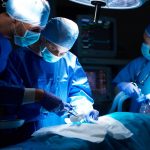
Older adults who avoid surgery because they fear general anesthesia will cause thinking declines need not worry, researchers report. A study of more than 1,000 patients who had heart surgery at four hospitals in Canada found that the amount of anesthesia used did not affect the risk of delirium after surgery. Post-surgery delirium may contribute to cognitive decline. How much anesthesia to give requires striking a delicate balance between too much and little. About 1 in 1,000 people wake up during their surgery, unable to move or signal their pain or distress. This can cause lifelong emotional trauma. “The good news is that the distressing complication of intraoperative awareness can be more reliably prevented,” said senior study author Michael Avidan, head of anesthesiology at Washington University School of Medicine. “Anesthesia clinicians can now confidently administer a sufficient dose of general anesthesia, providing a margin of safety for unconsciousness, without being concerned that this will put their patients’ brains at risk.” The new study adds to other “compelling” evidence that higher doses are not toxic to the brain, he added in a university news release. Previous smaller studies have suggested that too much anesthesia could cause postoperative delirium, which affects about 25% of older patients after major surgery. Its hallmarks include confusion, altered attention, paranoia, memory loss, hallucinations and delusions. Though it is usually short-lived, this… read on > read on >