









All Sauce from Weekly Gravy:

Falling leaves, pumpkins and apples are signs of fall. And so is asthma. Asthma attacks tend to increase in early autumn. During the coronavirus pandemic, it’s especially important for people with the disease to know how to prevent flare-ups, a lung expert says. “There are two different types of asthma flare-ups,” said Dr. Pushan Jani, an assistant professor of pulmonary and critical care medicine at the University of Texas Health Science Center at Houston. “First, you have those who suffer asthma year-round, and then there are some people who have seasonal asthma, which is triggered by different allergens and pollen in the air,” he said in a UTHealth news release. “This time of the year increases the attacks for seasonal asthma and can make those who suffer from persistent asthma control worse.” Every fall, Jani said he sees a significant increase in asthma-related hospitalizations as various types of pollen, such as ragweed, and mold fill the air. The combination of the COVID-19 pandemic, the start of the flu season and high pollen levels mean that people with asthma need to protect themselves so they don’t end up in the hospital. Stock up on any medications or inhalers needed to control flare-ups, Jani advised. Get an allergy test. “If you are unaware of what triggers these attacks, get tested. This will help pinpoint what you should…  read on >

Revealing some good news for minorities, a new study found similar survival rates for Hispanic, Black and white COVID-19 patients at a New York City hospital system. “It is well-documented that communities of color have shouldered the heaviest burden of COVID-19 in the United States, and there have been many explanations offered for why that is the case,” said Dr. Andrew Racine. He is system senior vice president and chief medical officer at Montefiore Medical Center in the Bronx. “We discovered, somewhat surprisingly, that Black and Hispanic patients, when hospitalized, had similar or slightly better survival outcomes compared to white patients,” Racine said in a Montefiore news release. The study included more than 5,900 COVID-19 patients admitted to the medical center. As has been seen nationwide, black and Hispanic people were more likely to be hospitalized with COVID-19 than white people, the findings showed. And Black and Hispanic people who were hospitalized were more likely to have two or more pre-existing conditions (38% and 43%, respectively) than white people (34%). However, survival rates among Black and Hispanic patients were at least as good as those for white patients after the researchers controlled for age, sex, income levels and pre-existing conditions, according to the study. The results were published online Sept. 25 in JAMA Network Open. Similar findings have been reported from other major health systems…  read on >

Preventing falls in older age could be as fun as dancing them away, new research shows. Researchers found a 31% reduction in falls and a 37% reduction in fall risk for those aged 65 and older when reviewing clinical trials on “dance-based mind-motor activities” from around the world. “We were positively surprised by the consistency of our results,” said study author Michèle Mattle, a movement scientist and doctoral candidate at the University of Zurich, in Switzerland. “Although previous research in the field of falls prevention and exercise was suggesting that interventions, including multitasking activities, are promising falls-prevention strategies, it was unclear if dance-based mind-motor activities would lead to comparable results,” she said. Dance-based mind-motor activities are those that have upright movements that emphasize balance and use music or an inner rhythm, such as breathing, according to the study. They include instructions or choreography, as well as social interaction. Tai chi meets those criteria, in addition to a variety of dance-based activities, including ballroom and folk dancing. Though dance was often suggested as a good fall-prevention activity for older adults, there was not previously evidence for that, Mattle said. The review only found an association between dance and mobility, balance and lower body strength, not a cause-and-effect relationship. It also concluded there is a need for more high-quality trials on dance. Tai chi is an activity…  read on >

In rural America, drinking has become particularly deadly for many, a new government report shows. Deaths related to alcohol use in those regions rose 43% between 2006 and 2018, health officials reported. Over that time, the rate of deaths went from 11 per 100,000 people to 15 per 100,000. Also, the rate of deaths among women more than doubled, according to researchers from the U.S. Centers for Disease Control and Prevention. “I really want to highlight this health disparity, the fact that there is an increase in rural areas in recent years,” said lead researcher Merianne Spencer, from the division of analysis and epidemiology at the CDC’s National Center for Health Statistics (NCHS). “Hopefully, we can take it to the next step, and other researchers can delve into this question, because we are seeing this at the national level,” Spencer added. For the report, the researchers included deaths from alcohol-related medical conditions, such as cirrhosis of the liver, but not causes indirectly related to alcohol use, such as motor vehicle crashes or suicides, Spencer explained. “These increases in alcohol-related deaths may well be connected to the fairly recently described phenomenon of lowered life expectancy in the United States over the past few years, primarily in white individuals with lower educational achievement,” said Dr. J.C. Garbutt, an adjunct professor of psychiatry at the University of North…  read on >

Coronavirus infections are surging in the American heartland, with Wisconsin bearing the brunt of COVID-19’s relentless spread. Many Midwestern states are seeing some of the nation’s highest per capita rates of infection, and while federal health officials have again urged some governors in the region to require masks statewide, some Republican governors have resisted, the Associated Press reported. Wisconsin appeared to be in the worst shape: A record number of people with COVID-19 were hospitalized in that state as of Wednesday. Of 737 patients, 205 were in intensive care, with spikes in cases in northern parts of the state driving up the numbers, the AP reported. Wisconsin health officials reported 2,319 new infections, bringing the total number to 122,274. The state also reported its highest single-day number of deaths — 27 — pushing the overall death toll to 1,327. “Over the course of the past two to three weeks we have noticed a marked rise in COVID patients coming into our hospitals in Green Bay,” said Dr. Paul Casey, medical director of the emergency department at Bellin Hospital in Wisconsin, told CNN. “And this comes in the wake of what we thought we were doing well.” “For the first time in 17 years that I’ve been here, we’ve had to put patients in hallway beds,” Casey told CNN. “I never envisioned having to do that…  read on >

Pets helped many people cope with the mental stress of being locked down during the coronavirus pandemic, a new study finds. It included 6,000 people in Britain who were under lockdown between March 23 and June 1. About 90% had at least one pet. Of those, more than 90% said their pet helped them cope emotionally with the lockdown and 96% said their pet helped keep them fit and active. “Findings from this study also demonstrated potential links between people’s mental health and the emotional bonds they form with their pets: measures of the strength of the human-animal bond were higher among people who reported lower scores for mental health-related outcomes at baseline,” said lead author Elena Ratschen, a senior lecturer in health services research at the University of York in England. The most common pets were cats and dogs, followed by small mammals and fish. But the strength of the human-pet bond didn’t differ significantly among types of pets — people felt as close to their pups as to their guinea pigs, according to the study published Sept. 25 in the journal PLOS ONE. The study also found that 68% of pet owners said they worried about their animals during lockdown. Reasons included restrictions on access to veterinary care and exercise, as well as concern about who would look after their pet if they…  read on >

For at least two decades, the U.S. Food and Drug Administration has been approving new formulations of prescription opioids without requiring drug manufacturers to gather important information on safety and effectiveness, a new study claims. The FDA approved dozens of these highly addictive medications for treatment of chronic pain between 1997 and 2018 based on clinical trials that: Lasted no longer than 12 weeks, Failed to systematically gather data on adverse events or safety concerns, Actually weeded out of the final results from people who didn’t initially respond well to the drug. “No trial was longer than 84 days, whereas people take these medicines for years and they’re labeled for chronic use,” said senior researcher Dr. G. Caleb Alexander, co-director of the Center for Drug Safety and Effectiveness at the Johns Hopkins Bloomberg School of Public Health in Baltimore. The FDA continued to approve opioid drugs based on limited and flawed information even as the opioid epidemic swept across the United States, Alexander and his colleagues argue. “The primary harms that have driven the opioid epidemic have been because of the oversupply of opioids, especially for chronic use,” Alexander said. “The FDA has missed important opportunities to require manufacturers to produce more meaningful and clinically useful information about the safety and effectiveness of these products.” PhRMA, the leading trade group for pharmaceutical manufacturers, responded to…  read on >

More than 60% of households with children in the United States have struggled with serious financial problems during the coronavirus pandemic, a new poll shows. Black and Hispanic households with children have borne the brunt of the hardships, which include struggles to afford medical care, depletion of household savings and difficulty paying debts, the poll found. Conducted by NPR, the Robert Wood Johnson Foundation and the Harvard T.H. Chan School of Public Health, the poll surveyed more than 3,400 adults, 1,000 of whom were living with children under the age of 18, between July 1 and Aug. 3. Of the Hispanic households with children that responded, 86% reported these difficulties; in Black households, 66% reported them. In white households, the number hovers around 50%. The stark racial differences were surprising, as they surfaced after federal and state governments invested heavily in programs for communities disproportionately affected by the pandemic, Robert Blendon, a director of the study behind the report and a professor at the Harvard School of Public Health in Boston, told The New York Times. “So much money was spent to put a cushion under households,” Blendon said. Still, “the numbers of people in trouble, that is the shock,” he added. Experts worry that the financial fallout from the pandemic could be even worse than the poll depicts, as government measures to support households…  read on >

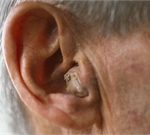
Isolation due to the pandemic and failure to get hearing aids checked has fueled anxiety, depression and more hearing loss for many seniors. “This has been a very difficult time as senior facilities and individuals try to balance poor health outcomes related to COVID-19 versus poor health outcomes related to social isolation,” said Catherine Palmer, president of the American Academy of Audiology. Unfortunately, older adults who use hearing aids may be using them less, because they think there’s no one to interact with. This can reduce sound input to the brain and lead to auditory deprivation. The individual will be seen as not hearing as well and needing extra effort when communicating. “Family members and friends should encourage their loved ones to continue to use their hearing aids — there is always sound around us,” Palmer said in an academy news release. Hearing aids also need maintenance. For some, their hearing aids may not be working well or at all and they are unable to visit their audiologist for routine care. “If an individual continues to use their hearing aid when it is not working, it functions like an earplug — actually blocking sound,” said Palmer, who’s also an associate professor at the University of Pittsburgh. Many audiologists provide online telehealth and curbside care for those who cannot go into a clinic safely. Some senior…  read on >

Young women who suffer a particularly deadly condition after a heart attack are 11% more likely to die from it than men, a new study finds. Not only that, women aged 18 to 55 are less likely to receive the tests and aggressive treatment that men routinely receive, and are more likely to die in the hospital, the researchers added. “It’s very difficult to understand exactly what’s causing this,” said lead researcher Dr. Saraschandra Vallabhajosyula, a clinical fellow in interventional cardiology at Emory University School of Medicine in Atlanta. “A lot is related to unconscious or conscious bias when it comes to women and when it comes to acute cardiac conditions,” he said. Much of the bias can be traced to doctors, the family or the health care system, Vallabhajosyula said. Also, women who have heart attacks don’t always have the same symptoms as men, which can result in misdiagnosis, he added. “They have atypical symptoms, such as belly pain, headaches, things that you don’t typically associate with having a heart attack,” Vallabhajosyula said. That’s why many heart attacks in women are missed. Women are also more likely to dismiss their symptoms and wait longer before going to the hospital, which makes their condition worse and opens the door for a deadly condition known as cardiogenic shock, he explained. Cardiogenic shock occurs when the heart…  read on >