7-hydroxymitragynine is not approved for use as dietary supplement, food additive, or drug ingredient read on >






7-hydroxymitragynine is not approved for use as dietary supplement, food additive, or drug ingredient read on >

About 90% of the ice cream sold in the U.S. will no longer contain artificial dyes by 2028, federal health officials announced. Roughly 40 ice cream and frozen dessert companies have pledged to remove seven artificial food dyes from their products in less than three years, Michael Dykes, president of the International Dairy Foods Association (IDFA), said. These include Red 3, Red 40, Green 3, Blue 1, Blue 2, Yellow 5 and Yellow 6, the Associated Press reported. “This is a Renaissance moment for health in America,” said Dr. Marty Makary, commissioner of the U.S. Food and Drug Administration (FDA). The announcement is part of a larger effort by the food industry to reduce or remove synthetic dyes. Other major companies, including Nestlé, Kraft Heinz and General Mills, have also said they plan to get rid of artificial colors from many of their products. Health groups have pushed for the removal of artificial food dyes for years. Studies have shown that these dyes may cause attention and behavior problems in some children, the AP reported. The FDA says approved dyes are still considered safe, and “most children have no adverse effects” from consuming them. Still, one color, Red 3, was banned in January after it was linked to cancer in lab animals. Companies have until 2027 to stop using it, but Makary sent a letter… read on > read on >
About 90% of the ice cream sold in the U.S. will no longer contain artificial dyes by 2028, federal health officials announced. Roughly 40 ice cream and frozen dessert companies have pledged to remove seven artificial food dyes from their products in less than three years, Michael Dykes, president of the International Dairy Foods Association (IDFA), said. These include Red 3, Red 40, Green 3, Blue 1, Blue 2, Yellow 5 and Yellow 6, The Associated Press reported. “This is a Renaissance moment for health in America,” said Dr. Marty Makary, commissioner of the U.S. Food and Drug Administration (FDA). The announcement is part of a larger effort by the food industry to reduce or remove synthetic dyes. Other major companies, including Nestlé, Kraft Heinz and General Mills, have also said they plan to get rid of artificial colors from many of their products. Health groups have pushed for the removal of artificial food dyes for years. Studies have shown that these dyes may cause attention and behavior problems in some children, AP reported. The FDA says approved dyes are still considered safe, and “most children have no adverse effects” from consuming them. Still, one color, Red 3, was banned in January after it was linked to cancer in lab animals. Companies have until 2027 to stop using it, but Makary sent a letter this… read on > read on >
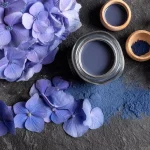
A natural blue food coloring made from gardenia fruit has been approved by the U.S. Food and Drug Administration (FDA). The additive — dubbed gardenia blue — can now be used in foods like sports drinks, flavored waters, fruit drinks, teas, and both hard and soft candies, the FDA announced July 14. It’s made by taking a compound called genipin from crushed gardenia fruit and combining it with soy protein. Gardenia fruit has long been used in traditional Chinese medicine. The color was proposed by the Gardenia Blue Interest Group, CBS News reported. Even though soy is used to make the dye, the group says no soy is expected to remain in the final product. Because of that, it asked the FDA to let companies skip listing soy as an allergen on food labels. The FDA is still reviewing that request. This new color is part of a bigger push to phase out artificial dyes, which have raised concerns in recent years. “Every day, children are exposed to synthetic chemicals in food that serve no purpose and threaten their health,” U.S. Health Secretary Robert F. Kennedy Jr. said in a news release. “The FDA’s approval of gardenia blue shows we’re finally putting kids first.” The FDA says this is the fourth naturally sourced color approved in the last two months. Others include: galdieria extract blue,… read on > read on >
A natural blue food coloring made from gardenia fruit has been approved by the U.S. Food and Drug Administration (FDA). The additive — dubbed gardenia blue — can now be used in foods like sports drinks, flavored waters, fruit drinks, teas, and both hard and soft candies, the FDA announced July 14. It’s made by taking a compound called genipin from crushed gardenia fruit and combining it with soy protein. Gardenia fruit has long been used in traditional Chinese medicine. The color was proposed by the Gardenia Blue Interest Group, CBS News reported. Even though soy is used to make the dye, the group says no soy is expected to remain in the final product. Because of that, it asked the FDA to let companies skip listing soy as an allergen on food labels. The FDA is still reviewing that request. This new color is part of a bigger push to phase out artificial dyes, which have raised concerns in recent years. “Every day, children are exposed to synthetic chemicals in food that serve no purpose and threaten their health,” U.S. Health Secretary Robert F. Kennedy Jr. said in a news release. “The FDA’s approval of gardenia blue shows we’re finally putting kids first.” The FDA says this is the fourth naturally sourced color approved in the last two months. Others include: galdieria extract blue,… read on > read on >
Vaping might be more effective than traditional nicotine replacement therapies in helping people quit smoking, a new Australian study says. Six-month smoking abstinence rates were three times higher among people using flavored nicotine-laced vape devices, compared to those given nicotine gum or lozenges, researchers reported July 14 in the Annals of Internal Medicine. Flavored vapes are restricted in the U.S. “Vaporized nicotine products were more effective than nicotine replacement therapy for smoking cessation,” wrote the research team led by Ryan Courtney, an associate professor with the National Drug and Alcohol Research Center at the University of New South Wales in Australia. For the study, researchers recruited more than 1,000 Australians receiving government assistance and randomly assigned them to vaping or nicotine replacement. All were interested in trying to quit smoking. The vape group received an eight-week supply of vape juice in tobacco, menthol or fruit flavors, while the nicotine replacement group chose an eight-week supply of gum or lozenges. All participants also received automated text messages for five weeks that provided behavioral support for their quit attempt, researchers said. After six months, more than 28% of people in the vape group remained smoke-free, compared with a little under 10% of those in the nicotine gum or lozenge group, the study found. “In the current trial among people experiencing social disadvantage, vaporized nicotine products with flavor… read on > read on >
Vaping might be more effective than traditional nicotine replacement therapies in helping people quit smoking, a new Australian study says. Six-month smoking abstinence rates were three times higher among people using flavored nicotine-laced vape devices, compared to those given nicotine gum or lozenges, researchers reported July 14 in the Annals of Internal Medicine. Flavored vapes are restricted in the U.S. “Vaporized nicotine products were more effective than nicotine replacement therapy for smoking cessation,” wrote the research team led by Ryan Courtney, an associate professor with the National Drug and Alcohol Research Center at the University of New South Wales in Australia. For the study, researchers recruited more than 1,000 Australians receiving government assistance and randomly assigned them to vaping or nicotine replacement. All were interested in trying to quit smoking. The vape group received an eight-week supply of vape juice in tobacco, menthol or fruit flavors, while the nicotine replacement group chose an eight-week supply of gum or lozenges. All participants also received automated text messages for five weeks that provided behavioral support for their quit attempt, researchers said. After six months, more than 28% of people in the vape group remained smoke-free, compared with a little under 10% of those in the nicotine gum or lozenge group, the study found. “In the current trial among people experiencing social disadvantage, vaporized nicotine products with flavor… read on > read on >

Adults who are consistently physically active have an overall lower risk of premature death, even if they pick up the habit later, a new evidence review says. People who get regular exercise are 30% to 40% less likely to suffer an early death from any cause, researchers reported July 10 in the British Journal of Sports Medicine. Additionally, those who increased their level of physical activity further lowered their risk of death by 20% to 25%, results show. “Initiating physical activity at any point in adulthood can provide health benefits,” concluded the research team led by Gregore Mielke, a senior research fellow at the University of Queensland in Australia. For the new study, researchers reviewed data pooled from 85 previous studies on the effect of physical activity on health and risk of death. The studies ranged in size from 357 participants to more than 6.5 million. The team was specifically interested in whether switching to a more active lifestyle could help a person live longer. Results showed that people who started exercising after being inactive were 22% less likely to die prematurely from any cause. Likewise, more active people who increased their physical activity levels were 27% less likely to die, researchers said. All told, people who were consistently active or became active had a lower risk of death when they met recommended weekly physical… read on > read on >
Adults who are consistently physically active have an overall lower risk of premature death, even if they pick up the habit later, a new evidence review says. People who get regular exercise are 30% to 40% less likely to suffer an early death from any cause, researchers reported July 10 in the British Journal of Sports Medicine. Additionally, those who increased their level of physical activity further lowered their risk of death by 20% to 25%, results show. “Initiating physical activity at any point in adulthood can provide health benefits,” concluded the research team led by Gregore Mielke, a senior research fellow at the University of Queensland in Australia. For the new study, researchers reviewed data pooled from 85 previous studies on the effect of physical activity on health and risk of death. The studies ranged in size from 357 participants to more than 6.5 million. The team was specifically interested in whether switching to a more active lifestyle could help a person live longer. Results showed that people who started exercising after being inactive were 22% less likely to die prematurely from any cause. Likewise, more active people who increased their physical activity levels were 27% less likely to die, researchers said. All told, people who were consistently active or became active had a lower risk of death when they met recommended weekly physical… read on > read on >
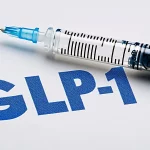
It can sometimes be tough to fill prescriptions for GLP-1 drugs like Wegovy and Zepbound, given the overwhelming popularity of the breakthrough weight-loss meds. But people who miss a dose here and there shouldn’t worry about losing ground in their fight against excess weight, a new study says. Folks on GLP-1 drugs can expect to maintain their weight loss if they have a disruption in access, as long as they’ve also adopted healthy lifestyle habits like eating right and exercising, researchers reported at the Endocrine Society’s annual meeting in San Francisco. “While unpredictable GLP-1 medication access is frustrating, the good news is that our research shows effective weight loss can still be achieved if paired with appropriate lifestyle changes and coaching support,” lead researcher Kaelen Medeiros, director of data and research at the private weight-loss company Calibrate in New York City, said in a news release. Glucagon-like peptide-1 (GLP-1) drugs mimic the GLP-1 hormone, which helps control insulin and blood sugar levels, decreases appetite and slows digestion of food. The drugs’ effectiveness in battling obesity has made them wildly popular, resulting in occasional shortages, Medeiros said. They’re also pricey, which means some insurance companies have instituted strict coverage guidelines. “Patients taking GLP-1 treatments like semaglutide (Ozempic/Wegovy) and tirzepatide (Zepbound) often face challenges consistently accessing their medications due to supply shortages or insurance coverage obstacles,” Medeiros… read on > read on >