









All Sauce from Weekly Gravy:

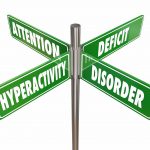
ADHD stimulant meds don’t increase children’s risk of psychosis, a new study says. Analysis of stimulant prescriptions among nearly 8,400 kids with attention deficit/hyperactivity disorder found no evidence that the drugs caused psychosis, researchers reported May 12 in the journal Pediatrics. “Previous observational research has suggested that stimulants may play a causal role in the development of psychotic experiences in young people with ADHD,” wrote the research team led by senior investigator Dr. Ian Kelleher, chair of child and adolescent psychiatry at the University of Edinburgh in the U.K. However, this perceived link likely is because kids who are more likely to be treated for ADHD also share factors that place them at higher risk for psychotic episodes, researchers said. These factors include more severe ADHD symptoms and a higher number of other mental health problems researchers found. “Our findings do not support a causal relationship between stimulant prescription and psychotic experiences,” the study concluded. “Rather, the association appears to be confounded by factors that both increase probability of stimulant prescription and lead to psychotic experiences.” For the study, researchers tracked the health of children participating in an adolescent brain development study in the United States. Kids 9 to 10 were recruited into the study between 2016 and 2018. Of those children, just under 6% had been prescribed one or more stimulant prescriptions. At first,…  read on >  read on >
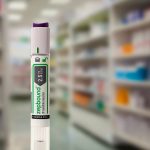
A new study has found that people taking Eli Lilly’s obesity drug Zepbound lost almost 50% more weight than those using Novo Nordisk’s Wegovy. The study — published May 11 in the New England Journal of Medicine — followed 751 people across the U.S. who were overweight or obese and had another weight-related health problem. None had diabetes, The Associated Press reported.  Participants received weekly injections of either Zepbound (tirzepatide) or Wegovy (semaglutide). After 72 weeks, people taking Zepbound lost an average of 50 pounds. Those on Wegovy lost about 33 pounds. That translated to a loss of about 20% of body weight for Zepbound users, compared to nearly 14% for Wegovy users.  What’s more, waist size also shrank by an average of 7 inches with Zepbound and about 5 inches with Wegovy. The medications work by mimicking hormones that help regulate appetite and fullness. Zepbound targets two hormones (GLP-1 and GIP), while Wegovy targets only GLP-1, AP reported. “Two drugs together can produce better weight loss,” said lead study author Dr. Louis Aronne of Weill Cornell Medicine. He presented the results Sunday at the European Congress on Obesity in Malaga, Spain. Nearly 32% of Zepbound users lost at least a quarter of their body weight, compared with about 16% of Wegovy users. In both groups, weight loss was about 6% lower in men than…  read on >  read on >

A new study has found that people taking Eli Lilly’s obesity drug Zepbound lost almost 50% more weight than those using Novo Nordisk’s Wegovy. The study — published May 11 in the New England Journal of Medicine — followed 751 people across the U.S. who were overweight or obese and had another weight-related health problem. None had diabetes, The Associated Press reported.  Participants received weekly injections of either Zepbound (tirzepatide) or Wegovy (semaglutide). After 72 weeks, people taking Zepbound lost an average of 50 pounds. Those on Wegovy lost about 33 pounds. That translated to a loss of about 20% of body weight for Zepbound users, compared to nearly 14% for Wegovy users.  What’s more, waist size also shrank by an average of 7 inches with Zepbound and about 5 inches with Wegovy. The medications work by mimicking hormones that help regulate appetite and fullness. Zepbound targets two hormones (GLP-1 and GIP), while Wegovy targets only GLP-1, AP reported. “Two drugs together can produce better weight loss,” said lead study author Dr. Louis Aronne of Weill Cornell Medicine. He presented the results Sunday at the European Congress on Obesity in Malaga, Spain. Nearly 32% of Zepbound users lost at least a quarter of their body weight, compared with about 16% of Wegovy users. In both groups, weight loss was about 6% lower in men than…  read on >  read on >

Children have an increased risk of high blood pressure if their moms suffered from health problems during pregnancy, a new study says. Children had higher blood pressure if their moms had obesity, gestational diabetes or high blood pressure while pregnant, researchers reported May 8 in JAMA Network Open. The presence of just one of these pregnancy risk factors is associated with a more rapid rise in blood pressure between ages 2 and 18, researchers said. “Finding factors that we can address during pregnancy and childhood — and implementing early interventions — may be key to changing the trajectories of health for future generations,” senior researcher Shohreh Farzan, an associate professor of population and public health sciences at the University of Southern California’s Keck School of Medicine, said in a news release. For the study, researchers analyzed nearly 30 years of data from almost 12,500 mother-child pairs across the United States. Nearly half the mothers (44%) had at least one of three risk factors during pregnancy, results show.  Obesity was the most common, affecting nearly 25% of all moms, while high blood pressure disorders occurred in nearly 14% of moms and gestational diabetes in just under 7%. Results showed that kids born to moms with at least one risk factor had systolic blood pressure that averaged about 4.9 points higher and diastolic 1.9 points higher. Systolic…  read on >  read on >

Children have an increased risk of high blood pressure if their moms suffered from health problems during pregnancy, a new study says. Children had higher blood pressure if their moms had obesity, gestational diabetes or high blood pressure while pregnant, researchers reported May 8 in JAMA Network Open. The presence of just one of these pregnancy risk factors is associated with a more rapid rise in blood pressure between ages 2 and 18, researchers said. “Finding factors that we can address during pregnancy and childhood — and implementing early interventions — may be key to changing the trajectories of health for future generations,” senior researcher Shohreh Farzan, an associate professor of population and public health sciences at the University of Southern California’s Keck School of Medicine, said in a news release. For the study, researchers analyzed nearly 30 years of data from almost 12,500 mother-child pairs across the United States. Nearly half the mothers (44%) had at least one of three risk factors during pregnancy, results show.  Obesity was the most common, affecting nearly 25% of all moms, while high blood pressure disorders occurred in nearly 14% of moms and gestational diabetes in just under 7%. Results showed that kids born to moms with at least one risk factor had systolic blood pressure that averaged about 4.9 points higher and diastolic 1.9 points higher. Systolic…  read on >  read on >

Women now have a new way to check their risk for cervical cancer — from the comfort of their own home. The U.S. Food and Drug Administration (FDA) has approved the Teal Wand, an at-home test that screens for human papillomavirus (HPV), the virus that causes nearly all cervical cancers, CBS News reported May 9. The test is made by Teal Health and is meant for women between the ages of 25 and 65 with an average risk for cervical cancer. Teal Health says its test is just as accurate as a regular Pap smear done in a doctor’s office. The company ran a study showing that self-collected samples at home worked just as well as those collected by a health care provider. Many women find in-office cervical cancer screenings uncomfortable. The standard method involves inserting a speculum to help collect a sample from the cervix. That, CBS News reported, can make some patients avoid getting tested altogether. In Teal Health’s study, 86% of participants said they’d be more likely to stay up to date with screening if they could do it at home. About 94% said they would choose self-collection if they knew it was just as accurate. Kara Egan, CEO and co-founder of Teal Health, said the goal is to make care easier. “That’s why this FDA approval means so much; it’s not…  read on >  read on >

Women now have a new way to check their risk for cervical cancer — from the comfort of their own home. The U.S. Food and Drug Administration (FDA) has approved the Teal Wand, an at-home test that screens for human papillomavirus (HPV), the virus that causes nearly all cervical cancers, CBS News reported May 9.  The test is made by Teal Health and is meant for women between the ages of 25 and 65 with an average risk for cervical cancer. Teal Health says its test is just as accurate as a regular Pap smear done in a doctor’s office. The company ran a study showing that self-collected samples at home worked just as well as those collected by a health care provider. Many women find in-office cervical cancer screenings uncomfortable. The standard method involves inserting a speculum to help collect a sample from the cervix. That, CBS News reported, can make some patients avoid getting tested altogether. In Teal Health’s study, 86% of participants said they’d be more likely to stay up to date with screening if they could do it at home. About 94% said they would choose self-collection if they knew it was just as accurate. Kara Egan, CEO and co-founder of Teal Health, said the goal is to make care easier. “That’s why this FDA approval means so much; it’s not…  read on >  read on >

Young women taking the Pill might have an increased risk of asthma attacks, a new study says. Taking the progesterone-only form of the contraceptive pill can increase asthma attacks among women under 35, researchers reported May 7 in ERJ Open Research. There was no similar risk among women taking the combo estrogen/progesterone pill, researchers found. “Asthma is common in women, and unfortunately, women are twice as likely to die from asthma as men,” Dr. Chloe Bloom, a clinical senior lecturer in respiratory epidemiology at Imperial College London in the U.K., said in a news release. “To help prevent these deaths, we need a better understanding of why women are at greater risk.” For the study, researchers studied data on nearly 262,000 U.K. women 18 to 50 diagnosed with asthma. The team compared women who’d never used the pill with women who started taking either version of the pill, seeing which of them experienced asthma attacks between 2004 and 2020. Women under 35 taking the progesterone-only pill had a 39% higher risk of asthma attacks, results show. “We found that the combined pill did not affect whether women had asthma attacks, but some women who took the progesterone-only pill had more asthma attacks,” Bloom said.  “These included women under 35 years old, those who used fewer asthma medications, like inhaled or oral steroids, and those with…  read on >  read on >

Young women taking the Pill might have an increased risk of asthma attacks, a new study says. Taking the progesterone-only form of the contraceptive pill can increase asthma attacks among women under 35, researchers reported May 7 in ERJ Open Research. There was no similar risk among women taking the combo estrogen/progesterone pill, researchers found. “Asthma is common in women, and unfortunately, women are twice as likely to die from asthma as men,” Dr. Chloe Bloom, a clinical senior lecturer in respiratory epidemiology at Imperial College London in the U.K., said in a news release. “To help prevent these deaths, we need a better understanding of why women are at greater risk.” For the study, researchers studied data on nearly 262,000 U.K. women 18 to 50 diagnosed with asthma. The team compared women who’d never used the pill with women who started taking either version of the pill, seeing which of them experienced asthma attacks between 2004 and 2020. Women under 35 taking the progesterone-only pill had a 39% higher risk of asthma attacks, results show. “We found that the combined pill did not affect whether women had asthma attacks, but some women who took the progesterone-only pill had more asthma attacks,” Bloom said.  “These included women under 35 years old, those who used fewer asthma medications, like inhaled or oral steroids, and those with…  read on >  read on >

Children and young adults formerly covered by Medicaid are losing access to medications needed to control conditions like depression, schizophrenia, ADHD, asthma and epilepsy, a new study says. Young people need to take these meds regularly to get the best results, as interruptions can cause flare-ups of their chronic health problems, researchers said. Interruptions in these meds are occurring more often in states that have experienced the biggest drops in Medicaid enrollment during the “unwinding” process that started after the end of the COVID pandemic, researchers reported recently in the journal Pediatrics. The unwinding brought an end to Medicaid eligibility rules put in place during the pandemic. For example, children and teens who use asthma inhalers were more likely to decrease use of their meds if they lived in a state with the largest drops in Medicaid enrollment, results show. “Our findings suggest that the rapid disenrollment of young people from Medicaid during the unwinding process resulted in the disruption of chronic disease therapy,” lead researcher Dr. Kao-Ping Chua, a pediatrician and health care researcher at the University of Michigan Medical School and School of Public Health, said in a news release. “As policymakers debate whether to enact drastic cuts to Medicaid funding, they should consider the possibility that doing so could similarly disrupt chronic disease therapy for children and young adults, placing them at…  read on >  read on >