




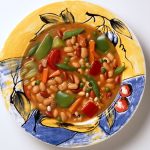


Kiwis may be more than a healthy snack — they could also help get your digestive system moving.  New evidence-based dietary guidelines from the British Dietetic Association say kiwis, rye bread and certain supplements may help people manage chronic constipation without on medication. These guidelines focus specifically on diet-based constipation treatment rather than pharmaceuticals, according to lead author Eirini Dimidi, a registered dietitian and associate professor at King’s College London. She hopes that “people themselves with constipation can access now evidence-based information, feel empowered to take control of the symptoms and improve a condition that has a tremendous impact on quality of life.” Chronic constipation affects roughly 16% of adults worldwide. In the U.S. alone, constipation leads to about 2.5 million doctor visits each year, according to the American College of Gastroenterology. Constipation is defined as having fewer than three bowel movements per week, lasting for more than three months. Common symptoms include hard or lumpy stools, bloating, abdominal discomfort and nausea. “If you’re chronically constipated, you may not be able to even participate in physical activity, because you feel bloated, you’re in pain, you’re achy, it may affect your mood,” Sue-Ellen Anderson-Haynes, a registered dietitian and spokesperson for the Academy of Nutrition and Dietetics, told NBC News. Researchers analyzed numerous clinical trials to determine which foods and supplements offer the best benefits. The recommendations…  read on >  read on >
Starting in 2026, restaurant chains in California will be required to list major food allergens on their menus in a first-of-its-kind law. Gov. Gavin Newsom signed the bill Monday, making California the first state to require allergen labeling for restaurants with 20 or more locations. Under the new law, menus must identify items containing milk, eggs, fish, shellfish, tree nuts, peanuts, wheat, soy or sesame — the most common allergens — when restaurants know or “reasonably should know” those ingredients are present. The bill was introduced by state Sen. Caroline Menjivar, who lives with severe food allergies herself. She said the law will make dining safer for millions of Californians, especially children. “Soon, the millions of Californians with food allergies, many of whom are young children, will be able to fully enjoy dining out without fear or apprehension at these qualifying restaurants,” Menjivar said. “In turn, these businesses will be able to offer allergen families a unique additional assurance that will drive customers to their establishments.” Advocates say the new law will help people with allergies avoid life-threatening reactions. The nonprofit Food Allergy Research and Education (FARE) said the legislation was an important step forward. The California Restaurant Association said it appreciates that the rule exempts small, independent eateries but warned it could still cause issues for many businesses. The group has also raised concerns…  read on >  read on >

A high-fat, low-carbohydrate ketogenic “keto” diet may help protect young animals from the lasting effects of stress experienced before birth, new research suggests. The findings, presented Sunday at the European College of Neuropsychopharmacology (ECNP) conference in Amsterdam, add to growing evidence that diet could play a powerful role in shaping brain health.  Studies in animals often yield different results in people, however. Researchers at the University of Milan found that when young rats were fed a ketogenic diet soon after weaning, they were less likely to show behavioral problems linked to prenatal stress such as social and mood disorders. In the study, pregnant rats were exposed to stress during the final week before giving birth. Their offspring were divided into two groups: One fed a normal diet and the other fed a ketogenic diet. By day 42, half of the rats born to stressed mothers and fed a regular diet had social and emotional problems. In comparison, only 22% of male rats and 12% of female rats fed a ketogenic diet developed these problems. “The diet seems to have acted like a shield for their developing brains, so preventing social and motivational problems from ever taking root,” lead researcher Alessia Marchesin, a doctoral student at the University of Milan, said in a news release. Marchesin noted that the protective effect appeared to work differently by…  read on >  read on >

A high-fat, low-carbohydrate ketogenic “keto” diet may help protect young animals from the lasting effects of stress experienced before birth, new research suggests. The findings, presented Sunday at the European College of Neuropsychopharmacology (ECNP) conference in Amsterdam, add to growing evidence that diet could play a powerful role in shaping brain health.  Studies in animals often yield different results in people, however. Researchers at the University of Milan found that when young rats were fed a ketogenic diet soon after weaning, they were less likely to show behavioral problems linked to prenatal stress such as social and mood disorders. In the study, pregnant rats were exposed to stress during the final week before giving birth. Their offspring were divided into two groups: One fed a normal diet and the other fed a ketogenic diet. By day 42, half of the rats born to stressed mothers and fed a regular diet had social and emotional problems. In comparison, only 22% of male rats and 12% of female rats fed a ketogenic diet developed these problems. “The diet seems to have acted like a shield for their developing brains, so preventing social and motivational problems from ever taking root,” lead researcher Alessia Marchesin, a doctoral student at the University of Milan, said in a news release. Marchesin noted that the protective effect appeared to work differently by…  read on >  read on >

What was once tossed into compost bins could soon help grow stronger crops and even support human health, new research suggests. A series of recent studies published in American Chemical Society (ACS) journals reveal how scientists are transforming food waste — from sugar beets to coconut fibers — into valuable materials for farming and nutrition. One study, published in the Journal of Agricultural and Food Chemistry, found that sugar beet pulp — a byproduct that makes up about 80% of the beet’s original weight — could serve as a natural alternative to synthetic pesticides. Researchers converted the pulp’s pectin-rich fibers into carbohydrates that helped wheat resist powdery mildew, a common disease. They said this natural method could reduce the need for synthetic sprays. In another study, scientists discovered that millipede-composted coconut fibers can replace peat moss, a material often used to start seedlings but harvested from sensitive ecosystems. The new “millicompost,” described in the journal ACS Omega, performed just as well as peat in growing bell pepper seedlings. Researchers said it could help make seed production more sustainable by cutting the need for peat, which plays a key role in preserving groundwater. A separate review, also in the Journal of Agricultural and Food Chemistry, highlighted that radish leaves (which are often thrown out) may be more nutritious than the roots themselves. Rich in fiber, antioxidants…  read on >  read on >

What was once tossed into compost bins could soon help grow stronger crops and even support human health, new research suggests. A series of recent studies published in American Chemical Society (ACS) journals reveal how scientists are transforming food waste — from sugar beets to coconut fibers — into valuable materials for farming and nutrition. One study, published in the Journal of Agricultural and Food Chemistry, found that sugar beet pulp — a byproduct that makes up about 80% of the beet’s original weight — could serve as a natural alternative to synthetic pesticides. Researchers converted the pulp’s pectin-rich fibers into carbohydrates that helped wheat resist powdery mildew, a common disease. They said this natural method could reduce the need for synthetic sprays. In another study, scientists discovered that millipede-composted coconut fibers can replace peat moss, a material often used to start seedlings but harvested from sensitive ecosystems. The new “millicompost,” described in the journal ACS Omega, performed just as well as peat in growing bell pepper seedlings. Researchers said it could help make seed production more sustainable by cutting the need for peat, which plays a key role in preserving groundwater. A separate review, also in the Journal of Agricultural and Food Chemistry, highlighted that radish leaves (which are often thrown out) may be more nutritious than the roots themselves. Rich in fiber, antioxidants…  read on >  read on >

Heart-related health problems might affect as many as 1 in 7 pregnancies, even among women without any prior heart disease, a new study says. Researchers found a steady increase in heart-related health problems among more than 56,000 pregnancies between 2001 and 2019 in New England. Heart attack, stroke, heart failure, blood clots, high blood pressure and heart-related maternal death affected about 15% of pregnancies during that time, researchers reported Oct. 6 in the journal Circulation. “Our findings showcase an alarming trend of rising real-world burden of pregnancy-related cardiovascular complications and highlights pregnancy from preconception to the postpartum period as a crucial window of opportunity to implement primary prevention strategies and optimize cardiovascular health,” concluded a team led by Dr. Emily Lau, a cardiologist at Massachusetts General Hospital in Boston. Heart complications account for more than a third of maternal deaths, and are among the leading causes of disease among pregnant women, researchers said in background notes. For the study, researchers tracked pregnancies treated within the Mass General Brigham health care system in New England. Results showed that the increase in heart-related complications was greatest among women with pre-existing heart problems. However, the increase was observed across all age groups and even among those without prior heart health issues. Researchers noted a rise in heart-related health risk factors present before and during pregnancy: Obesity increased from…  read on >  read on >

Heart-related health problems might affect as many as 1 in 7 pregnancies, even among women without any prior heart disease, a new study says. Researchers found a steady increase in heart-related health problems among more than 56,000 pregnancies between 2001 and 2019 in New England. Heart attack, stroke, heart failure, blood clots, high blood pressure and heart-related maternal death affected about 15% of pregnancies during that time, researchers reported Oct. 6 in the journal Circulation. “Our findings showcase an alarming trend of rising real-world burden of pregnancy-related cardiovascular complications and highlights pregnancy from preconception to the postpartum period as a crucial window of opportunity to implement primary prevention strategies and optimize cardiovascular health,” concluded a team led by Dr. Emily Lau, a cardiologist at Massachusetts General Hospital in Boston. Heart complications account for more than a third of maternal deaths, and are among the leading causes of disease among pregnant women, researchers said in background notes. For the study, researchers tracked pregnancies treated within the Mass General Brigham health care system in New England. Results showed that the increase in heart-related complications was greatest among women with pre-existing heart problems. However, the increase was observed across all age groups and even among those without prior heart health issues. Researchers noted a rise in heart-related health risk factors present before and during pregnancy: Obesity increased from…  read on >  read on >