









New research suggests that older adults, particularly Generation X women, have high rates of addiction to ultra-processed foods, such as fast food, sugary drinks and packaged snacks. These products — made with high levels of fat, salt and sugar to maximize their appeal — appear to be catching up with the very first generation, now in their 50s and early 60s, to consume them widely since childhood. The research, published Sept. 29 in the journal Addiction, found that 21% of women and 10% of men in Gen X and the last wave of Baby Boomers, met the criteria for ultra-processed food addiction.  (Boomers are folks born between 1946 and 1964, while Gen X spans 1965 to 1980.) This is substantially higher than among 65- to 80-year-olds, where rates drop to 12% for women and 4% for men, the University of Michigan researchers reported. Their study used a modified version of the Yale Food Addiction Scale, a tool based on criteria used to diagnose substance use disorders. It assesses experiences like intense cravings, repeated attempts to quit and withdrawal symptoms when highly-rewarding ultra-processed foods are the “substance.” Lead author Lucy Loch, a graduate student in psychology at the University of Michigan, noted the significance of studying this age group. “Today’s older adults were in a key developmental period when our nation’s food environment changed,” she said…  read on >  read on >

Nearly everyone who suffers a heart attack, stroke or heart failure had at least one warning sign that cropped up years before, a new study says. More than 99% of patients had one or more risk factors prior to their heart emergency, including high blood pressure, elevated cholesterol, poor blood sugar control or smoking, researchers reported Sept. 29 in the Journal of the American College of Cardiology. The study refutes the common belief that heart disease often strikes without warning, researchers said. “We think the study shows very convincingly that exposure to one or more nonoptimal risk factors before these cardiovascular outcomes is nearly 100%,” said senior researcher Dr. Philip Greenland, a professor of cardiology at Northwestern University Feinberg School of Medicine. “The goal now is to work harder on finding ways to control these modifiable risk factors rather than to get off track in pursuing other factors that are not easily treatable and not causal,” he added in a news release. For the study, researchers analyzed health records for more than a decade for more than 9 million adults in South Korea and nearly 7,000 people in the United States. The team looked for four major heart risk factors — blood pressure, cholesterol, blood sugar and tobacco use. The team used the American Heart Association’s guidelines for heart health, which included as risk factors:…  read on >  read on >

Nearly everyone who suffers a heart attack, stroke or heart failure had at least one warning sign that cropped up years before, a new study says. More than 99% of patients had one or more risk factors prior to their heart emergency, including high blood pressure, elevated cholesterol, poor blood sugar control or smoking, researchers reported Sept. 29 in the Journal of the American College of Cardiology. The study refutes the common belief that heart disease often strikes without warning, researchers said. “We think the study shows very convincingly that exposure to one or more nonoptimal risk factors before these cardiovascular outcomes is nearly 100%,” said senior researcher Dr. Philip Greenland, a professor of cardiology at Northwestern University Feinberg School of Medicine. “The goal now is to work harder on finding ways to control these modifiable risk factors rather than to get off track in pursuing other factors that are not easily treatable and not causal,” he added in a news release. For the study, researchers analyzed health records for more than a decade for more than 9 million adults in South Korea and nearly 7,000 people in the United States. The team looked for four major heart risk factors — blood pressure, cholesterol, blood sugar and tobacco use. The team used the American Heart Association’s guidelines for heart health, which included as risk factors:…  read on >  read on >

It sounds counterintuitive: Eat more fat and lose more weight. But it’s the underpinning of a keto diet — a controversial eating regimen designed to retrain the body to rely on something other than sugar for energy. The regimen is rich in meat, eggs, high-fat dairy and oils. “I think a lot of people look at a ketogenic diet and think, ‘I’ll lose weight, I’ll be healthier,’ ” said lead researcher Molly Gallop, an assistant professor of anatomy and physiology at Earlham College in Richmond, Ind. The biology goes like this: On a keto diet, a person’s liver converts fat into molecules called ketone bodies that the body can burn for energy. Despite a high fat intake — up to 90% of daily calories — it can lead to substantial weight loss. And while it may seem OK on the surface, new research in mice suggests that staying on a keto regimen for a long time might be risky. Lab rats fed a keto diet for up to a year — decades in human time — showed signs of liver and heart disease and developed glucose intolerance, a team led by Gallop recently reported in the journal Science Advances. “It’s a cautionary tale,” said study co-author Amandine Chaix, an assistant professor of nutrition and integrative physiology at the University of Utah in Salt Lake City.…  read on >  read on >

It sounds counterintuitive: Eat more fat and lose more weight. But it’s the underpinning of a keto diet — a controversial eating regimen designed to retrain the body to rely on something other than sugar for energy. The regimen is rich in meat, eggs, high-fat dairy and oils. “I think a lot of people look at a ketogenic diet and think, ‘I’ll lose weight, I’ll be healthier,’ ” said lead researcher Molly Gallop, an assistant professor of anatomy and physiology at Earlham College in Richmond, Ind. The biology goes like this: On a keto diet, a person’s liver converts fat into molecules called ketone bodies that the body can burn for energy. Despite a high fat intake — up to 90% of daily calories — it can lead to substantial weight loss. And while it may seem OK on the surface, new research in mice suggests that staying on a keto regimen for a long time might be risky. Lab rats fed a keto diet for up to a year — decades in human time — showed signs of liver and heart disease and developed glucose intolerance, a team led by Gallop recently reported in the journal Science Advances. “It’s a cautionary tale,” said study co-author Amandine Chaix, an assistant professor of nutrition and integrative physiology at the University of Utah in Salt Lake City.…  read on >  read on >

Eating fruits and vegetables is key to good health, but a new study suggests that choosing produce with higher pesticide residues may boost the amount of these chemicals leaching into the body. Researchers linked the types of produce people eat with levels of pesticides found in their urine.  The results show that eating foods on the Environmental Working Group’s (EWG) “Dirty Dozen” list such as spinach, strawberries and kale was tied to higher pesticide levels than eating items from the “Clean Fifteen,” which includes pineapples, sweet corn and avocados. “We found consuming different types of fruits and vegetables changes your pesticide levels accordingly, with greater consumption of the higher-residue foods increasing pesticide levels in urine more than consumption of the lower-residue foods,” study author Alexis Temkin, vice president of science at EWG, told CNN. The study — published Sept. 24 in the International Journal of Hygiene and Environmental Health —compared U.S. Department of Agriculture (USDA) testing data on produce with urine samples gathered through an annual federal government health survey. Experts said the findings show a clear connection between what people eat and their exposure to different pesticides. “This tells us that we don’t have to measure each person — when people eat a lot of produce with high residues of pesticides, they’re more likely to have elevated levels in their urine,” Linda Birnbaum, former…  read on >  read on >

Eating fruits and vegetables is key to good health, but a new study suggests that choosing produce with higher pesticide residues may boost the amount of these chemicals leaching into the body. Researchers linked the types of produce people eat with levels of pesticides found in their urine.  The results show that eating foods on the Environmental Working Group’s (EWG) “Dirty Dozen” list such as spinach, strawberries and kale was tied to higher pesticide levels than eating items from the “Clean Fifteen,” which includes pineapples, sweet corn and avocados. “We found consuming different types of fruits and vegetables changes your pesticide levels accordingly, with greater consumption of the higher-residue foods increasing pesticide levels in urine more than consumption of the lower-residue foods,” study author Alexis Temkin, vice president of science at EWG, told CNN. The study — published Sept. 24 in the International Journal of Hygiene and Environmental Health —compared U.S. Department of Agriculture (USDA) testing data on produce with urine samples gathered through an annual federal government health survey. Experts said the findings show a clear connection between what people eat and their exposure to different pesticides. “This tells us that we don’t have to measure each person — when people eat a lot of produce with high residues of pesticides, they’re more likely to have elevated levels in their urine,” Linda Birnbaum, former…  read on >  read on >

People with spinal cord injuries sometimes suffer from blood pressure problems, as their brain loses the ability to manage the body’s blood pressure. This leaves them vulnerable to blood pressure drops that cause fainting or spikes that put them at risk of a stroke or heart attack. But researchers say a new implant can help restore blood pressure control among patients with damaged spinal cords. The spine implant delivers fine-tuned electrical stimulation that supports a person’s blood pressure, researchers reported recently in the journals Nature and Nature Medicine. The system is controlled through a smartphone app “Participants report experiencing less brain fog, having more energy, being able to speak louder and suffering less from a postprandial dip (a drop in energy levels after eating),” researcher Dr. Ilse van Nes, who successfully deployed the system at the rehabilitation center Sint Maartens Clinic in Nijmegen, Netherlands, said in a news release. A patient identified by researchers as Krebs said the implant has vastly improved his life. “Before the accident, I had no idea how volatile blood pressure can be,” Krebs said, who uses a wheelchair. “Just transferring from my bed to my chair almost knocked me out at times when my blood pressure would drop,” he continued. “At other times during the day, my blood pressure would spike due to severe nerve pain, causing me to break…  read on >  read on >

People with spinal cord injuries sometimes suffer from blood pressure problems, as their brain loses the ability to manage the body’s blood pressure. This leaves them vulnerable to blood pressure drops that cause fainting or spikes that put them at risk of a stroke or heart attack. But researchers say a new implant can help restore blood pressure control among patients with damaged spinal cords. The spine implant delivers fine-tuned electrical stimulation that supports a person’s blood pressure, researchers reported recently in the journals Nature and Nature Medicine. The system is controlled through a smartphone app “Participants report experiencing less brain fog, having more energy, being able to speak louder and suffering less from a postprandial dip (a drop in energy levels after eating),” researcher Dr. Ilse van Nes, who successfully deployed the system at the rehabilitation center Sint Maartens Clinic in Nijmegen, Netherlands, said in a news release. A patient identified by researchers as Krebs said the implant has vastly improved his life. “Before the accident, I had no idea how volatile blood pressure can be,” Krebs said, who uses a wheelchair. “Just transferring from my bed to my chair almost knocked me out at times when my blood pressure would drop,” he continued. “At other times during the day, my blood pressure would spike due to severe nerve pain, causing me to break…  read on >  read on >

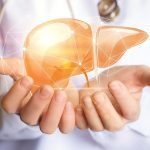
People with fatty liver disease are more likely to die early if they have one of three additional health problems, a new study says. High blood pressure, diabetes and low levels of “good” HDL cholesterol all increase the risk of death for people with fatty liver disease, researchers reported Sept. 17 in the journal Clinical Gastroenterology and Hepatology. Importantly, high blood pressure was linked with the highest death risk from fatty liver disease, researchers found. “Until now, it was commonly thought that diabetes was the most pressing health problem for (fatty liver disease) patients, which is a key insight,” lead researcher Dr. Matthew Dukewich, a University of Southern California transplant hepatology fellow, said in a news release. More than a third of the world’s population has fatty liver disease, also known as metabolic dysfunction-associated steatotic liver disease, or MASLD, researchers said in background notes. The condition occurs when fat builds up in the liver, eventually causing tissue damage and scarring. It usually is associated with one or more of five other health problems: Obesity, type 2 diabetes, high blood pressure, elevated blood sugar and low HDL cholesterol, researchers said. To see which of these health problems are riskiest for fatty liver patients, researchers tracked the health of nearly 22,000 people who took part in the National Health and Nutrition Examination Survey between 1988 to 1994…  read on >  read on >