









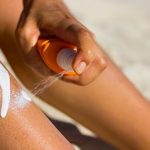
It’s easy to keep your skin safer in the summer sun if you have the right sunscreen. UCLA Health offers some tips for picking the best type and SPF level. Getting sunburned just five times in a lifetime doubles the risk of getting melanoma, the most serious skin cancer, so making sure you’re protected is worth the effort, the experts at UCLA Health said in a news release. Types of sunscreens can be divided into two categories: mineral and chemical. Each type has its pros and cons. Mineral sunscreen sits on the skin’s surface. It physically blocks ultraviolet (UV) light before those rays can penetrate the skin. While offering instant protection, it can be harder to rub in, needs to be applied more frequently and tends to leave a white film on the skin. Yet, it’s also gentler than chemical sunblock, making it a good choice for sensitive skin, according to UCLA Health. Mineral sunscreen contains titanium dioxide and zinc oxide, both recognized as safe and effective by the U.S. Food and Drug Administration. Chemical sunscreens allow UV light to penetrate skin, after which the chemicals convert the UV light into heat. This is released from the skin. The downsides are that chemical sunscreens need to be applied at least 20 minutes before sun exposure and there are concerns about the ingredients in chemical sunscreens,… read on > read on >