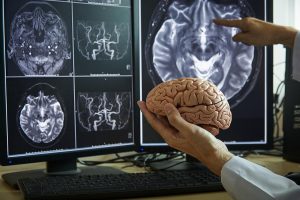









(HealthDay News) — Many doctors encourage seniors to use brain fitness games as a means to help deal with dementia, Alzheimer’s and other cognitive diseases, says SeniorLiving.org. While research remains inconclusive, there appears to be a correlation between brain games and brain health. The website says brain games that may help seniors include: Memory games, such as Match and Simon. Word games, such as word searches and Scrabble. Electronic games, such as Jeopardy, Wheel of Fortune and Family Feud. Board games, such as Chess and Checkers. Interactive Wii and X-Box games. Trivia games, such as Trivial Pursuit.
All Health/Fitness:
Health Tip: Understanding Omega-3 Fatty Acids
(HealthDay News) — Omega-3 fatty acids are essential elements that the body doesn’t make on its own, says the Cleveland Clinic. Fish, plants and supplements are among the best sources of omega-3 fatty acids. For people who don’t have a history of heart disease, two servings of fish per week is recommended. Research indicates that omega-3 fatty acids can help improve your cardiovascular health. But don’t overdo it. Consuming three or more grams of omega-3 fatty acids each day can have negative health effects, the clinic says.
Health Tip: Caring for Shoulder Pain
(HealthDay News) — The shoulder normally has a wide range of motion. But swelling, damage or bone changes can cause pain, restrict the shoulder’s use and significantly impact daily activities, says MedlinePlus. To care for shoulder pain, MedlinePlus suggests: Put ice on the shoulder for 15 minutes on and off. Rest your shoulder for a few days. Slowly return to regular activities. Take ibuprofen or acetaminophen to reduce inflammation and pain. Call 911 if you have sudden pressure or a crushing pain in your shoulder, as this can be a warning sign of heart attack.
Could AI Beat Radiologists at Spotting Bleeds in the Brain?
Computer-driven artificial intelligence (AI) can help protect human brains from the damage wrought by stroke, a new report suggests. A computer program trained to look for bleeding in the brain outperformed two of four certified radiologists, finding abnormalities in brain scans quickly and efficiently, the researchers reported. “This AI can evaluate the whole head in one second,” said senior researcher Dr. Esther Yuh, an associate professor of radiology at the University of California, San Francisco. “We trained it to be very, very good at looking for the kind of tiny abnormalities that radiologists look for.” Stroke doctors often say that “time is brain,” meaning that every second’s delay in treating a stroke results in more brain cells dying and the patient becoming further incapacitated. Yuh and her colleagues hope that AI programmed to find trouble spots in a brain will be able to significantly cut down treatment time for stroke patients. “Instead of having a delay of 20 to 30 minutes for a radiologist to turn around a CT scan for interpretation, the computer can read it in a second,” Yuh said. Stroke is the fifth-leading cause of death in the United States, and is a leading cause of disability, according to the American Stroke Association. There are two types of strokes: ones caused by burst blood vessels in the brain (hemorrhagic), and others that… read on >
Health Tip: The ‘Wall Test’ For Good Posture
(HealthDay News) — Proper posture can prevent pain and injury, says Mayo Clinic. To check if you have proper posture, Mayo suggests the “wall test.” Here’s what it involves: Stand so the back of your head, shoulder blades and buttocks touch the wall. Your heels should be 2 to 4 inches apart. Place a flat hand behind the small of your back. You should be able to slide your hand between your lower back and the wall. If there’s too much space behind your lower back, draw your belly button toward your spine. If there’s too little space behind your lower back, arch your back so your hand can slide behind you. Walk away from the wall while holding proper posture. Return to the wall to check whether you kept the correct posture.
Health Tip: Preventing Repetitive Strain Injury
(HealthDay News) — Repetitive strain injury (RSI) stems from prolonged repetitive, forceful or awkward movement of the same muscles, says the University of Michigan. The effects of RSI may include pain, weakness, numbness or poor motor control. To help prevent RSI, the school suggests: Practice good posture. Ensure the chair at your workstation is adjustable. Do not overuse your joints. Take breaks and stretch. Avoid gripping writing utensils tightly. Use proper typing techniques. Keep your wrists straight, let your hands float and don’t strain your fingers.
Sleep Apnea Linked to Diabetic Eye Disease
Severe sleep apnea is a risk factor for diabetic eye disease that can lead to vision loss and blindness, researchers report. Poor control of diabetes can result in damage to tiny blood vessels at the back of the eye, a condition called diabetic retinopathy. It’s a leading cause of blindness in the United States. In some cases, tiny bulges protrude from the blood vessels and leak fluid and blood into the retina. This fluid can cause swelling (edema) in an area of the retina that enables clear vision and is called macular edema. In this study, researchers in Taiwan examined data from 51 patients over eight years at Chang Gung Memorial Hospital in Taipei. They found that patients with diabetic macular edema had a much higher rate (80.6%) of severe sleep apnea than those without the eye condition (45.5%). The worse the sleep apnea, the more severe the macular edema, according to the study. The researchers also found that severe sleep apnea was more common patients who required more treatment to control their macular edema. These patients needed at least three medical or laser therapy treatments, according to the study. It was to be presented Monday at the annual meeting of the American Academy of Ophthalmology (AAO), in San Francisco. “Based on these results, we hope that more medical professionals will approach sleep apnea as… read on >
Moms’ Weight-Loss Surgery Tied to Lower Risk of Birth Defects

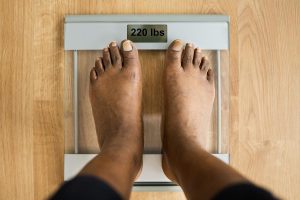
WEDNESDAY, Oct. 16, 2019 Weight-loss surgery before pregnancy may lower obese women’s odds of having a baby with major birth defects, new research suggests. For the study, the researchers examined data on more than 33,000 births in Sweden between 2007 and 2014. Of these, nearly 3,000 children were born to mothers who had a type of weight-loss surgery called gastric bypass before getting pregnant. The rest were born to women who weighed about the same as the others did before weight-loss surgery — more than 260 pounds. Women in the surgery group lost an average 88 pounds and weighed about 181 pounds at their first prenatal checkup. In addition, their use of diabetes medications fell from 9.7% to 1.5%. The risk of major birth defects was about 30% lower in children whose mothers had weight-loss surgery than in those of the obese mothers, the findings showed. The risk of major birth defects was 3.4% in children born to women who had gastric bypass surgery — similar to the 3.5% rate among those born to normal-weight women, the researchers reported. The risk of major birth defects was 4.9% in children born to the women who were still obese, according to the study published Oct. 15 in the Journal of the American Medical Association. The findings challenge long-held concerns that weight-loss surgery could increase the odds of… read on >
Health Tip: Understanding Eye Gunk
(HealthDay News) — Eye gunk, known medically as rheum, is the crust that forms in the corners of your eyes when you wake up in the morning. Sleep crust is a mix of mucus, skin cells, oils and tears shed by the eye during sleep, says the University of Utah. While white or cream colored gunk is normal, yellow or green is not, and can be a sign of conjunctivitis or a chronic eye condition. The school says you should see an ophthalmologist if your eye gunk is discolored.
Health Tip: 10 Ways to Reduce Injury Risk
(HealthDay News) — Injuries at home and at play are preventable, says the U.S. Centers for Disease Control and Prevention. The CDC mentions these ways to reduce your chances of injury: Wear the proper helmet for your activity. Wear a life jacket when boating. Have your eyes checked. Remove tripping hazards around your home. Learn how to swim. Store medicine out of the reach of children. Take medication only as directed. Place children in a proper booster or car seat. Wear your seatbelt. Walk on a sidewalk.