








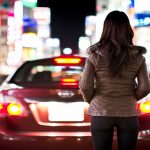
As levels of nighttime artificial outdoor light rise, so do the odds for a leading cause of vision loss, age-related macular degeneration (AMD). South Korean researchers found that people living in areas of that country with the highest levels of streetlights and other artificial light had more than double the odds for AMD, compared to those living in areas with the lowest levels. That risk remained even after they accounted for confounding factors such as sleep issues and depression, said a team led by Dr. Ahnul Ha, of the department of ophthalmology at Jeju National University College of Medicine. City dwellers may be at particular danger for macular degeneration, since the link between the illness and artificial outdoor light “was found solely in urban areas, where the mean outdoor-artificial-light-at-night level was 3 times higher than in rural areas,” Ha’s group reported. They published their findings Jan. 16 in JAMA Network Open. AMD occurs when a part of the eye’s retina called the macula deteriorates over time. People begin to lose their central vision, making common tasks such as driving or reading difficult. AMD “generally affects people over the age of 60,” said Dr. Matthew Gorski, an ophthalmologist at Northwell Health in New Hyde Park, NY. “Common symptoms of macular degeneration include blurry vision, distortion [where] straight lines appear wavy. The symptoms can be anywhere from… read on > read on >