







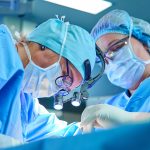
When frail patients go into cardiac arrest and need cardiopulmonary resuscitation (CPR) during surgery, they’re more likely to die than those who are stronger, a new study shows. Researchers from Brigham and Women’s Hospital in Boston studied the impact of frailty on survival in these cases where previously frailty was not considered as a factor. “CPR should not be considered futile for frail patients in the context of surgery,” said lead author Dr. Matt Allen, an attending physician in Brigham’s department of anesthesiology. “But it’s not the case that these patients do just as well as anybody else. In fact, we see a significant association between frailty and mortality.” Overall, about 25% of patients who suffer cardiac arrest and receive CPR in a normal hospital setting will survive. For those who get CPR during or in the immediate period following surgery, where they are closely monitored by specialists who know their medical history and can intervene quickly, that number is 50%. About one in three older frail patients survive, according to the analysis of more than 3,000 patients. Cardiac arrest is the abrupt loss of heart function in a person who may or may not have been diagnosed with heart disease. Frail patients were more likely to die from cardiac arrests that occurred during non-emergency procedures than non-frail individuals, which may mean a higher overall… read on > read on >