








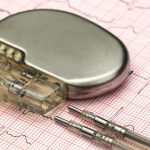
(HealthDay News) – New research finds that many of those who have received an implanted cardiac device to extend their life also have mood disorders, including anxiety, depression and PTSD. “Implantable cardioverter defibrillators [ICDs] are effective at extending patients’ lives, but we need to make sure that’s a good quality life,” said study author Hannah Keage, a professor of psychology at the University of South Australia in Adelaide. “Rates of mood disorders in people with an ICD are much higher than in the general population, suggesting that psychological assessment and therapy should be integrated into the routine care of these patients.” In the study published June 13 in EP Europace, a journal of the European Society of Cardiology, the researchers found that nearly one-third of patients had anxiety in the first year after their device was implanted. Depression affected 1 in 5. More than 1 in 10 had PTSD. Anxiety and depression are associated with higher likelihood of premature death in these patients who had a device implanted because of risk of a life-threatening heart rhythm. The researchers analyzed 109 studies involving nearly 40,000 ICD patients. They examined prevalence of mental health issues from the time the ICD was implanted to one year of follow-up, finding that rates of anxiety were 23%, depression was at 15% and PTSD at 12%. In the general population, the… read on > read on >