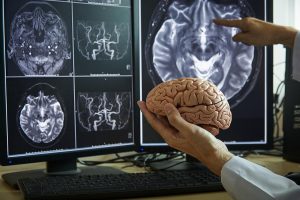









Talk therapy has the power to alter a person’s physical brain structure, a new study shows. Psychotherapy caused measurable changes in the brains of people with severe depression, MRI scans revealed. Specifically, most patients experienced growth in brain regions responsible for processing emotions, researchers reported Aug. 26 in the journal Translational Psychology. The brain changes were similar to those produced by psychiatric medication, researchers said. “For the first time, we have a reliable biomarker for the effect of psychotherapy on brain structure,” said senior researcher Ronny Redlich, head of biological and clinical psychology at Martin Luther University Halle-Wittenberg in Germany. “Put simply, psychotherapy changes the brain,” he said in a news release. About 280 million people suffer from severe depression worldwide, researchers said in background notes. Depression has been linked to changes in the size of the hippocampus and amygdala, brain regions that help regulate emotions. For the new study, researchers provided a series of 20 cognitive-behavioral therapy sessions for 30 people diagnosed with depression. Cognitive-behavioral therapy (CBT) is an established method for treating depression, researchers noted. This form of therapy teaches people how to recognize and respond to thoughts and behaviors that contribute to their depression. “CBT leads to positive changes in thought patterns, emotions and behavior,” Redlich said. “We assume that this process is also linked to functional and structural changes in the… read on > read on >