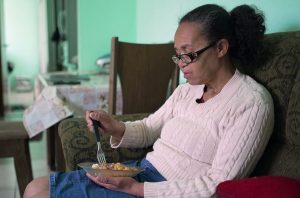









There have been good and bad changes to U.S. children’s diets during the COVID-19 pandemic, researchers say. “Providing healthy meals and snacks to our kids can be a challenge even when we’re not experiencing a pandemic,” said senior study author Susan Carnell. She’s an associate professor of psychiatry and behavioral sciences at the Johns Hopkins University School of Medicine, in Baltimore. “The pandemic has massively disrupted families and caused a lot of stress, and this has naturally affected interactions around food,” Carnell said in a school news release. To find out how the pandemic is affecting children’s diets, the Johns Hopkins Medicine researchers surveyed 318 parents of children aged 2 to 12 across the United States. Parents who reported higher levels of stress due to the pandemic were more likely to use food to manage children’s emotions and behaviors. For example, they might use less healthy food and snacks, such as cookies, to reward their children, the study found. Stress specifically related to COVID-19 among parents was also associated with children eating more sweet and savory snacks throughout the day. But the survey also revealed some positive trends. For example, 75% of respondents said their children had regular breakfast, lunch and dinner times. The researchers also found an association between lower stress levels, consistent mealtimes and routines, and positive food-related interactions, such as parents eating… read on > read on >