





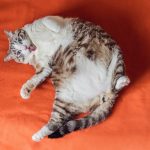
Pudgy with a purpose: Fat cats could help humans better understand the way gut bacteria influences conditions like obesity and type 2 diabetes, a new study claims. Food-related changes in obese cats’ gut microbiome have striking similarities to the way diet affects the gut of humans, researchers reported recently in the journal Scientific Reports. As a result, pet cats might be the best source of information about the human microbiome, and whether altering gut bacteria could help battle obesity, researchers say. “Being able to see changes in cats that come up in the context of obesity and type 2 diabetes in people makes them a really good model to start looking at more microbiome-directed therapeutics for obesity in humans if we’re seeing a similar shift,” said lead researcher Dr. Jenessa Weston, an assistant professor of veterinary clinical sciences at Ohio State University. “Animals share our beds. They share our ice cream. There are all these things that people do with their pets that highlight they are a naturally occurring disease model with similar environmental exposures as humans,” Weston added in a university news release. For the study, researchers fed seven obese cats a rigidly engineered diet for 16 weeks. The diet progressed from free-feeding of commercial cat food to feeding a special weight-loss diet, then to calorie-restricted feeding of the weight-loss food. Researchers found that… read on > read on >