









(HealthDay News) — Magnesium is a mineral that is important for regular bodily function, says the Office of Dietary Supplements. Magnesium is commonly found in various plant-based and animal-based foods. Foods that are high in magnesium include: Almonds, cashews and peanuts. Spinach and other leafy vegetables. Soymilk. Black beans and edamame. Peanut butter. Bread. Avocado. Potato. Rice.
A little about: Weekly Gravy
All Sauce from Weekly Gravy:
For Kids, Obesity and Mental Health Woes Often Go Hand-in-Hand
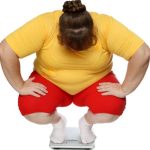
Starting at age 7, kids can get stuck in a vicious cycle of obesity and emotional problems that is hard to escape, British researchers say. Investigators are not sure what triggers the struggle, but new study findings suggest that, over time, youngsters who are obese are likely to develop anxiety and moodiness, while those with emotional problems are more apt to become obese. “Awareness and understanding that higher weight and emotional problems often occur together might be important for parents,” said study co-author Charlotte Hardman, a senior lecturer at the University of Liverpool in England. “For health care practitioners working in prevention and early intervention, targeting both health outcomes might be of benefit.” Hardman and co-author Praveetha Patalay tracked the mental health and body mass index (BMI) of more than 17,000 British kids born between 2000 and 2002. (BMI is a measure of body fat based on height and weight.) Although the researchers found no connection between obesity and emotional issues among very young children, the link was clear by age 7 and strengthened as kids got older. Kids who were obese at age 7 had a greater risk of emotional difficulties at age 11, which then predicted a high BMI at 14, the study authors found. “Specifically, higher body mass index and emotional problems tended to occur together in mid-childhood and adolescence, from ages… read on >
For Obese People, Commuting by Car Can Be a Killer: Study

Being obese and commuting by car can be a deadly mix, a new study warns. Researchers analyzed data on more than 163,000 adults, aged 37 to 73, in the United Kingdom. The participants were followed for an average of five years. Compared to people of normal weight who walked or cycled to work (active commuters), those who were obese and commuted by car had a 32% higher risk of early death from any cause; twice the risk of dying from heart disease; and a 59% higher risk for non-fatal heart disease. Obesity was defined by the researchers as having a body mass index (BMI) of more than 30. BMI is a measure of body fat based on height and weight. As an example, a person who is 5 feet, 9 inches tall weighing 204 pounds has a BMI of just over 30. The study also found that overall risk of early death among obese people who were active commuters was similar to that for active commuters whose weight was normal. That suggests cycling or walking to work could reduce the harmful effects of obesity. However, the risk of heart disease was still 82% higher for obese active commuters than for normal-weight active commuters, researchers said. “Our findings, if causal, suggest that people with overweight or obesity could potentially decrease the risk of premature mortality if… read on >
How Much Does Your Kid Weigh? Chances Are, You’re Underestimating

Parents and doctors often overlook how overweight kids are, which could leave youngsters at increased risk for health problems linked to excess weight, British researchers say. They reviewed 87 studies that included nearly 25,000 children, age 19 and younger, and their parents. The researchers found that 55% of parents underestimated how much excess weight their children were carrying, and 34% of kids underestimated their own weight. Even health care providers sometimes missed the mark. Parents of younger kids were less likely to recognize a weight problem, and were less accurate at gauging boys’ weight than girls’. Overweight parents and those with less education were more likely to underestimate their child’s weight problem. In some of the studies reviewed, parents often described their children as big-boned, thick or solid, and they demonstrated a strong desire to avoid labeling their child obese. The research review is to be presented Saturday at the European Congress on Obesity (ECO) in Glasgow, Scotland. Studies presented at meetings are typically considered preliminary until published in a peer-reviewed journal. This research dovetails with a 10-fold increase over four decades in the number of obese children and teens worldwide — from 5 million girls in 1975 to 50 million in 2016, and from 6 million to 74 million boys. “Despite attempts to raise public awareness of the obesity problem, our findings indicate that… read on >
For Obese People, Commuting by Car Can Be a Killer: Study
Being obese and commuting by car can be a deadly mix, a new study warns. Researchers analyzed data on more than 163,000 adults, aged 37 to 73, in the United Kingdom. The participants were followed for an average of five years. Compared to people of normal weight who walked or cycled to work (active commuters), those who were obese and commuted by car had a 32% higher risk of early death from any cause; twice the risk of dying from heart disease; and a 59% higher risk for non-fatal heart disease. Obesity was defined by the researchers as having a body mass index (BMI) of more than 30. BMI is a measure of body fat based on height and weight. As an example, a person who is 5 feet, 9 inches tall weighing 204 pounds has a BMI of just over 30. The study also found that overall risk of early death among obese people who were active commuters was similar to that for active commuters whose weight was normal. That suggests cycling or walking to work could reduce the harmful effects of obesity. However, the risk of heart disease was still 82% higher for obese active commuters than for normal-weight active commuters, researchers said. “Our findings, if causal, suggest that people with overweight or obesity could potentially decrease the risk of premature mortality if… read on >
Breast Milk Has Biggest Benefit for Preemies’ Brains: Study

Another reason breast is best: Breast milk boosts levels of chemicals crucial for brain growth and development in premature babies with a very low birth weight, a new study reveals. “Our previous research established that vulnerable preterm infants who are fed breast milk early in life have improved brain growth and neurodevelopmental outcomes,” said Catherine Limperopoulos, director of MRI research of the developing brain at Children’s National Health System in Washington, D.C. However, she added, “It was unclear what makes breastfeeding so beneficial for newborns’ developing brains.” For the new study, her team used “proton magnetic resonance spectroscopy” to solve the mystery. The non-invasive imaging reveals the chemical makeup of specific brain structures, enabling researchers to measure metabolites essential for growth. With this technology, the researchers examined the brains of very low birth weight babies (under 3.3 pounds). The infants were born after no more than 32 weeks of pregnancy. The team focused on the right frontal white matter and the cerebellum, a brain region that’s involved in balance, muscle coordination and supports high-order mental functions. Compared to formula-fed babies, those fed breast milk had significantly higher levels of inositol in the cerebral white matter, and significantly higher creatine levels. Study lead author Katherine Ottolini explained that “key metabolite levels ramp up during the times babies’ brains experience exponential growth.” The percentage of days infants… read on >
Why Kids Should Play More Than One Sport

Playing team sports is a great way to teach kids life lessons about leadership, teamwork and how to socialize with peers. Sports are also a great way to build self-esteem and gain physical skills. Most important, they’re fun. But too many — nearly three-quarters of young athletes — are specializing in just one activity as early as 7 years old, even playing on numerous league-level teams. This puts them at risk for injury, stress, burnout and eventually abandoning sports, according to a report from the American Academy of Pediatrics (AAP). About 70% drop out by age 13 for such reasons as pressure to perform or, conversely, not getting enough playing time. And at least half of athletic injuries are related to overuse. On the other hand, playing multiple sports offers benefits such as fostering a love of different activities that can last their entire lives. To keep kids in the game, the AAP suggests encouraging them to play multiple sports until at least age 15. To lessen the risk of injury, they need one or two days off every week. If the decision has been made to specialize in a single sport, both parents and child should have a discussion with the child’s pediatrician to evaluate whether the young athlete’s goals are appropriate and realistic. Keep in mind that barely 1% of high school athletes… read on >
How to Make a Powerhouse Smoothie

Smoothies make for a fast and filling breakfast or snack, but the bloom is off the rose when it comes to their health profile. Turns out that many store-bought smoothies are hidden havens for a crazy amount of calories, many coming not only from the natural sugar in the fruit but also from added sweeteners. Fortunately, you can take control of what goes into your smoothie when you make it at home and even amp up its nutrients. Most smoothies overdo the fruit. One way to cut back but still get fruity flavor is by using fruit that is less sweet, like berries, for example. They’re also among the fruits highest in antioxidants and other micronutrients. Blueberries are particularly beneficial for your brain, blood sugar control and eye health. Fresh or frozen, they are equally nutritious. Blueberries also pair well with greens, and that’s where you can really ramp up a smoothie’s nutrition. By adding spinach, for instance, you’ll get vitamins A and C, fiber and iron. A key smoothie ingredient is Greek yogurt, which adds protein along with creaminess. Yogurt also contains helpful probiotic bacteria that balance the flora in your gut. Another superfood addition is chia seeds. They’re high in fiber, protein and good-quality fat, all of which will help you to feel full longer and give you energy throughout your morning. Just… read on >
‘Exposure Therapy’ May Work Best for PTSD Plus Drinking Problems

For veterans with post-traumatic stress disorder (PTSD) combined with a drinking problem, the type of psychotherapy prescribed can make a difference in recovery rates, a new study finds. So-called prolonged exposure therapy is more effective than coping skills therapy in helping these patients, according to researchers at the VA San Diego Healthcare System. “The main takeaway of the study for me is that we may be doing a disservice to veterans if we don’t offer them the best treatments we have available for PTSD, such as prolonged exposure,” said study leader Sonya Norman. The findings could help guide care for many veterans who have both PTSD and an alcohol use disorder, which often occur together, Norman and her colleagues said. Alcohol use disorder does not always rise to the level of alcoholism, which is a term used to describe someone with a severe form of alcohol dependence. The study included 119 patients with PTSD and alcohol use disorder. Some received prolonged exposure therapy while others received a coping skills therapy called Seeking Safety. In prolonged exposure therapy, patients gradually confront memories, feelings and situations related to their PTSD-causing trauma. The objective is to face them without feeling anxiety and stress. It’s considered the gold standard for PTSD treatment. Seeking Safety is a widely accepted therapy for patients with both PTSD and alcohol use disorder, and… read on >
Is Peanut Allergy ‘Immunotherapy’ Causing More Harm Than Good?

The idea behind immunotherapy for peanut allergy is appealing in its simplicity: Ask a patient to eat tiny amounts of peanut every day, and over time their immune system will become desensitized to it. Unfortunately, this cure might be doing more harm than the allergy itself, a new evidence review suggests. People who undergo immunotherapy for their peanut allergies wind up with a large increase in life-threatening anaphylaxis and other allergic reactions, compared to others who either avoid peanuts or are in a placebo group, researchers concluded. Peanut immunotherapy triples a patient’s risk of anaphylaxis and doubles the chances they’ll need to use epinephrine to counter a severe allergic reaction. “We found that patients on immunotherapy, their quality of life wasn’t any better,” said lead researcher Dr. Derek Chu, a fellow in clinical immunology at McMaster University in Ontario, Canada. “Outside of the clinic, they actually end up having more allergic reactions over time.” Chu’s team discovered this troubling fact after pooling results of 12 peanut immunotherapy trials involving more than 1,000 patients. “If you looked at each study one by one, you might not see that,” Chu said. “When you combine them all, and you analyze all 1,000 patients in unison, then you can actually see it.” Food allergies affect more than 6 million people, including as many as 8% of children and 3%… read on >