
Approval marks first triple-combination pill of telmisartan, amlodipine, and indapamide read on >










Approval marks first triple-combination pill of telmisartan, amlodipine, and indapamide read on >

The U.S. Food and Drug Administration (FDA) says it plans to use artificial intelligence (AI) to help speed the approval of new drugs and medical devices. That’s one of several priorities federal officials detailed June 10 in JAMA. They said AI could help shorten review times, speeding delivery of treatments to people who need them. “The FDA will be focused on delivering faster cures and meaningful treatments for patients, especially those with neglected and rare diseases, healthier food for children and common-sense approaches to rebuild the public trust,” Dr. Marty Makary, the FDA commissioner, and Dr. Vinay Prasad, who leads the agency’s vaccine and gene therapy division, wrote in the viewpoint article. One new tool, named Elsa, is similar to ChatGPT and may help the FDA review safety data, summarize reports and flag which drug or food facilities need inspection, The New York Times reported. Right now, reviewing applications for new drugs can take months or years. Elsa may help process up to 500,000 pages of submitted data, the agency said. But there are limits. Some FDA staff said Elsa often gave wrong answers — what experts call “hallucinations” — and has to be double-checked. Others said the tool can’t handle larger sets of data and doesn’t save much time yet. Still, Makary and Prasad said the agency hopes to cut final approval steps down… read on > read on >
The U.S. Food and Drug Administration (FDA) says it plans to use artificial intelligence (AI) to help speed the approval of new drugs and medical devices. That’s one of several priorities federal officials detailed June 10 in JAMA. They said AI could help shorten review times, speeding delivery of treatments to people who need them. “The F.D.A. will be focused on delivering faster cures and meaningful treatments for patients, especially those with neglected and rare diseases, healthier food for children and common-sense approaches to rebuild the public trust,” Dr. Marty Makary, the FDA commissioner, and Dr. Vinay Prasad, who leads the agency’s vaccine and gene therapy division, wrote in the viewpoint article. One new tool, named Elsa, is similar to ChatGPT and may help the FDA review safety data, summarize reports and flag which drug or food facilities need inspection, The New York Times reported. Right now, reviewing applications for new drugs can take months or years. Elsa may help process up to 500,000 pages of submitted data, the agency said. But there are limits. Some FDA staff said Elsa often gave wrong answers — what experts call “hallucinations” — and has to be double-checked. Others said the tool can’t handle larger sets of data and doesn’t save much time yet. Still, Makary and Prasad said the agency hopes to cut final approval steps down… read on > read on >

With their goofy grins and feathery gills, axolotls have become stars of the pet world and video games like Minecraft. But these small, smiling salamanders are also helping scientists explore a medical mystery: Can people someday regrow arms or legs? Axolotls are special because they can regrow body parts no matter the age. Lose a leg? They’ll grow it back. Damage to their heart, lungs or even brain? They can also repair that! “This species is special,” lead researcher James Monaghan, a biologist at Northeastern University in Boston, told The Washington Post. They have “really become the champion of some extreme abilities that animals have.” In a new study — published June 10 in Nature Communications — Monaghan’s team used genetically engineered axolotls that glow in the dark to learn how this amazing process works. One mystery in limb regrowth is how cells “know” which part of the limb to rebuild. If an axolotl loses its upper arm, it grows back the entire arm. But if the injury is farther down, only the lower arm and hand regrow. “Salamanders have been famous for their ability to regenerate arms for centuries,” Monaghan said. “One of the outstanding questions that has really plagued the field is how a salamander knows what to grow back.” The answer may be a small molecule called retinoic acid. It’s related to… read on > read on >
With their goofy grins and feathery gills, axolotls have become stars of the pet world and video games like Minecraft. But these small, smiling salamanders are also helping scientists explore a medical mystery: Can people someday regrow arms or legs? Axolotls are special because they can regrow body parts no matter the age. Lose a leg? They’ll grow it back. Damage to their heart, lungs or even brain? They can also repair that! “This species is special,” lead researcher James Monaghan, a biologist at Northeastern University in Boston, told The Washington Post. They have “really become the champion of some extreme abilities that animals have.” In a new study — published June 10 in Nature Communications — Monaghan’s team used genetically engineered axolotls that glow in the dark to learn how this amazing process works. One mystery in limb regrowth is how cells “know” which part of the limb to rebuild. If an axolotl loses its upper arm, it grows back the entire arm. But if the injury is farther down, only the lower arm and hand regrow. “Salamanders have been famous for their ability to regenerate arms for centuries,” Monaghan said. “One of the outstanding questions that has really plagued the field is how a salamander knows what to grow back.” The answer may be a small molecule called retinoic acid. It’s related to… read on > read on >
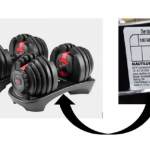
BowFlex, a fitness equipment brand, is recalling more than 3.8 million adjustable dumbbells because their weight plates can fall off and hurt users. The recall follows more than 100 reports of injuries, including concussions, broken toes, bruises and scrapes, according to the U.S. Consumer Product Safety Commission (CPSC). The recalled weights are popular because they allow users to switch between different weights without needing a full rack of dumbbells. But the CPSC says the adjustable design may pose a safety hazard. The recalled units include 3.7 million sets sold by Nautilus Inc., which changed its name to BowFlex in 2023, CBS News reported. BowFlex filed for bankruptcy in March 2024. Some of its assets, including the recalled dumbbells, were bought by Johnson Health Tech Retail, which is handling the recall. “A proactive and broad initiation of this voluntary recall is consistent with our fundamental mission to serve consumers with high-quality and durable fitness equipment,” Johnson Health Tech Trading said in a statement. The recall involves two models: BowFlex 552, 52.5-lb Adjustable Dumbbells BowFlex 1090, 90-lb Adjustable Dumbbells Consumers who bought the dumbbells from Johnson Health Tech Trading may be eligible for a refund or replacement. If they were bought from BowFlex (formerly Nautilus), a prorated voucher can be requested instead. Consumers will also be eligible for a free one-year digital fitness membership. The company said… read on > read on >
BowFlex, a fitness equipment brand, is recalling more than 3.8 million adjustable dumbbells because their weight plates can fall off and hurt users. The recall follows more than 100 reports of injuries, including concussions, broken toes, bruises and scrapes, according to the U.S. Consumer Product Safety Commission (CPSC). The recalled weights are popular because they allow users to switch between different weights without need for full rack of dumbbells. But the CPSC says the adjustable design may pose a safety hazard. The recalled units include 3.7 million sets sold by Nautilus Inc., which changed its name to BowFlex in 2023, CBS News reported. BowFlex filed for bankruptcy in March 2024. Some of its assets, including the recalled dumbbells, were bought by Johnson Health Tech Retail, which is handling the recall. “A proactive and broad initiation of this voluntary recall is consistent with our fundamental mission to serve consumers with high-quality and durable fitness equipment,” Johnson Health Tech Trading said in a statement. The recall involves two models: BowFlex 552, 52.5-lb Adjustable Dumbbells BowFlex 1090, 90-lb Adjustable Dumbbells If you bought the dumbbells from Johnson Health Tech Trading, you may be eligible for a refund or replacement. If you bought them from BowFlex (formerly Nautilus), you can request a prorated voucher instead. You’ll also be eligible for a free one-year digital fitness membership. The company said… read on > read on >

Out of concern, many parents might be spoiling their child’s best chance to avoid developing a food allergy, a new study says. Allergy experts recommend children at risk of food allergies start being introduced to small amounts of highly allergenic foods starting at 4 to 6 months of age. But some parents are waiting a year or more to introduce these foods, increasing the risk that their children won’t be able to build up a sufficient tolerance, researchers reported recently in the European Journal of Clinical Nutrition. About 35% of infants haven’t been exposed to nuts by the time they’re a year old, according to a survey of parents in Portsmouth, U.K., participating in a long-term study of their children’s health. Likewise, about 21% of parents hadn’t fed their one-year-olds any egg, and 16% any sesame, results show. “For years, families were advised to avoid allergenic foods during pregnancy and early childhood, but research now shows this guidance may have actually increased the risk of allergies, particularly in children,” said lead researcher Suzannah Helps, a senior lecturer at the University of Portsmouth School of Dental, Health and Care Professions in the U.K. “It’s vital that this updated understanding reaches the public, as delayed introduction of these foods continues to contribute to the allergy epidemic,” Helps added in a news release. For the study, researchers surveyed… read on > read on >
Out of concern, many parents might be spoiling their child’s best chance to avoid developing a food allergy, a new study says. Allergy experts recommend children at risk of food allergies start being introduced to small amounts of highly allergenic foods starting at 4 to 6 months of age. But some parents are waiting a year or more to introduce these foods, increasing the risk that their children won’t be able to build up a sufficient tolerance, researchers reported recently in the European Journal of Clinical Nutrition. About 35% of infants haven’t been exposed to nuts by the time they’re a year old, according to a survey of parents in Portsmouth, U.K., participating in a long-term study of their children’s health. Likewise, about 21% of parents hadn’t fed their one-year-olds any egg, and 16% any sesame, results show. “For years, families were advised to avoid allergenic foods during pregnancy and early childhood, but research now shows this guidance may have actually increased the risk of allergies, particularly in children,” said lead researcher Suzannah Helps, a senior lecturer at the University of Portsmouth School of Dental, Health and Care Professions in the U.K. “It’s vital that this updated understanding reaches the public, as delayed introduction of these foods continues to contribute to the allergy epidemic,” Helps added in a news release. For the study, researchers surveyed… read on > read on >

The TikTok video shows a teenage girl in braces applying a series of 14 beauty products to her face, an arsenal that costs nearly $350 all told. It’s one of many such videos where girls share their beauty regimens — but then something goes wrong. “This is what my skin looks like. It is very glowy right now, I love it! But also, I just had some allergic reaction to something that I tried, so ignore how red my face is,” says the girl, as her skin turns crimson and inflamed. “I don’t know what’s happening. But if anybody knows how to get it to stop burning, that would be greatly appreciated, because it actually hurts a lot,” the girl tells her audience. This real-life example captures the genuine risks that lurk behind the glamor of “get ready with me” TikTok videos, researchers argue in a new study. Popular TikTok videos featuring teens’ personal skin care routine frequently feature products that carry a high risk of skin irritation and allergy, researchers reported June 9 in the journal Pediatrics. The top-viewed videos contained an average of 11 potentially irritating active ingredients, researchers found. These could cause a higher risk of skin irritation, sun sensitivity, and a full-blown allergic reaction, researchers said. “That high risk of irritation came from both using multiple active ingredients at the same… read on > read on >