








All Sauce from Weekly Gravy:

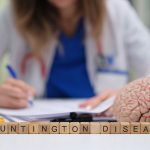
Most folks tap away at their smartphone for fun, communication or information. But such tapping may also help them track the progress of a rare degenerative brain disease, researchers say. Five simple smartphone-measured tests of movement control can provide quick and regular insight into the motor function of someone with Huntington’s disease, researchers reported June 9 in the journal Brain. These app-based tests of balance, finger tapping and involuntary movements are used to produce a Huntington’s Disease Digital Motor Score (HDDMS), researchers said. “Incorporating the HDDMS in clinical trials will help to give clearer answers about whether a potential treatment is working, with fewer participants or shorter lead times than conventional measures,” said researcher Ed Wild, a professor of neurology at University College London’s Huntington’s Disease Center. “What’s more, the fact that the HDDMS is evaluated in a five-minute assessment in people’s homes makes it convenient and potentially more meaningful than in-clinic measures of motor impairment,”  he added in a news release. Huntington’s disease is a genetic disorder that causes nerve cells in parts of the brain to break down and die, according to the National Institutes of Health. The disease specifically attacks areas of the brain related to movement. Patients develop uncontrollable dance-like movements and contort into abnormal body postures, and these movements can become more intense when the person is nervous or distracted.…  read on >  read on >

Most folks tap away at their smartphone for fun, communication or information. But such tapping may also help them track the progress of a rare degenerative brain disease, researchers say. Five simple smartphone-measured tests of movement control can provide quick and regular insight into the motor function of someone with Huntington’s disease, researchers reported June 9 in the journal Brain. These app-based tests of balance, finger tapping and involuntary movements are used to produce a Huntington’s Disease Digital Motor Score (HDDMS), researchers said. “Incorporating the HDDMS in clinical trials will help to give clearer answers about whether a potential treatment is working, with fewer participants or shorter lead times than conventional measures,” said researcher Ed Wild, a professor of neurology at University College London’s Huntington’s Disease Center. “What’s more, the fact that the HDDMS is evaluated in a five-minute assessment in people’s homes makes it convenient and potentially more meaningful than in-clinic measures of motor impairment,”  he added in a news release. Huntington’s disease is a genetic disorder that causes nerve cells in parts of the brain to break down and die, according to the National Institutes of Health. The disease specifically attacks areas of the brain related to movement. Patients develop uncontrollable dance-like movements and contort into abnormal body postures, and these movements can become more intense when the person is nervous or distracted.…  read on >  read on >
A “vicious circle” might exist between screen time and troubled children, a new evidence review says. Screen time — particularly on video games — appears to contribute to emotional turmoil among children, researchers say. Those troubled kids are then more likely to turn to screens to make themselves feel better, according to a study published June 9 in the journal Psychological Bulletin. “Children are spending more and more time on screens, for everything from entertainment to homework to messaging friends,” senior researcher Michael Noetel, an associate professor in the School of Psychology at Queensland University in Australia, said in a news release. “We found that increased screen time can lead to emotional and behavioral problems, and kids with those problems often turn to screens to cope,” Noetel said. His team pooled data from 117 studies involving more than 292,000 children around the world. All of the studies included a look at children’s screen use as well as their emotional health and conduct. Results show that the more children engage with screens, the more likely they are to suffer problems like anxiety, depression, aggression and hyperactivity. In turn, children with these problems were more likely to turn to screens as a coping mechanism, researchers found. Gaming was associated with higher risk of emotional problems compared with educational or recreational screen use, results show. Likewise, kids with…  read on >  read on >

A “vicious circle” might exist between screen time and troubled children, a new evidence review says. Screen time — particularly on video games — appears to contribute to emotional turmoil among children, researchers say. Those troubled kids are then more likely to turn to screens to make themselves feel better, according to a study published June 9 in the journal Psychological Bulletin. “Children are spending more and more time on screens, for everything from entertainment to homework to messaging friends,” senior researcher Michael Noetel, an associate professor in the School of Psychology at Queensland University in Australia, said in a news release. “We found that increased screen time can lead to emotional and behavioral problems, and kids with those problems often turn to screens to cope,” Noetel said. His team pooled data from 117 studies involving more than 292,000 children around the world. All of the studies included a look at children’s screen use as well as their emotional health and conduct. Results show that the more children engage with screens, the more likely they are to suffer problems like anxiety, depression, aggression and hyperactivity. In turn, children with these problems were more likely to turn to screens as a coping mechanism, researchers found. Gaming was associated with higher risk of emotional problems compared with educational or recreational screen use, results show. Likewise, kids with…  read on >  read on >

A person’s smartwatch can capture a lot of data about their health – and a new study says most folks are willing to share it with doctors. About 94% of people who wear smartwatches or activity trackers are open to sharing data with their doc if it will improve their health care, researchers report. In fact, 47% had already discussed their data with a doctor, and 43% had already shared it, according to findings published recently in the journal Healthcare. “Every day we hear about privacy risks and data breaches, so it’s reasonable to assume that data sharing might raise issues,” senior investigator Ty Ferguson, a research fellow at the University of South Australia, said in a news release. “But in reality, the opposite is true — people are overwhelmingly willing to share health data from their smartwatches, as long as it’s with trusted health professionals such as doctors or physiotherapists,” he continued. “This was even more prevalent among people with chronic health conditions.” About 39% of U.S. adults wear a smartwatch, opening up the possibility that doctors could personalize health care by reviewing the data captured by the wrist devices, researchers said in background notes. “By sharing personalized health data — such as sleep patterns, physical activity, or heart rate – healthcare providers can gain deeper insights about each patient’s needs, potentially offering smarter,…  read on >  read on >

A person’s smartwatch can capture a lot of data about their health – and a new study says most folks are willing to share it with doctors. About 94% of people who wear smartwatches or activity trackers are open to sharing data with their doc if it will improve their health care, researchers report. In fact, 47% had already discussed their data with a doctor, and 43% had already shared it, according to findings published recently in the journal Healthcare. “Every day we hear about privacy risks and data breaches, so it’s reasonable to assume that data sharing might raise issues,” senior investigator Ty Ferguson, a research fellow at the University of South Australia, said in a news release. “But in reality, the opposite is true — people are overwhelmingly willing to share health data from their smartwatches, as long as it’s with trusted health professionals such as doctors or physiotherapists,” he continued. “This was even more prevalent among people with chronic health conditions.” About 39% of U.S. adults wear a smartwatch, opening up the possibility that doctors could personalize health care by reviewing the data captured by the wrist devices, researchers said in background notes. “By sharing personalized health data — such as sleep patterns, physical activity, or heart rate – healthcare providers can gain deeper insights about each patient’s needs, potentially offering smarter,…  read on >  read on >

A good number of people don’t know that high blood pressure is a silent killer, increasing a person’s heart risk with no obvious symptoms, a new poll has found. More than a third of Americans (37%) erroneously think high blood pressure always has noticeable symptoms like dizziness or shortness of breath, according to a survey by the University of Pennsylvania’s Annenberg Public Policy Center. In truth, high blood pressure usually has no signs or symptoms to indicate its presence, according to the U.S. Centers for Disease Control and Prevention (CDC). Likewise, nearly 4 in 10 people (39%) mistakenly believe that “feeling calm and relaxed” is an indication that blood pressure is normal, the poll shows. And very few people — only 13% — know the correct reading that reflects high blood pressure, 130/80, poll results show. “Because controlling blood pressure reduces one’s risk of serious health problems, including heart attacks and strokes, correcting misperceptions about ways to identify it should be a public health priority,” Patrick Jamieson, director of the policy center’s Annenberg Health and Risk Communication Institute, said in a news release. About 25% of respondents thought that high blood pressure starts at 140/90, which was the case before heart health organizations revised their guidelines in 2017. Another 16% chose 140/80, and 18% chose 130/90. Despite these misconceptions, the survey found that many Americans…  read on >  read on >

A good number of people don’t know that high blood pressure is a silent killer, increasing a person’s heart risk with no obvious symptoms, a new poll has found. More than a third of Americans (37%) erroneously think high blood pressure always has noticeable symptoms like dizziness or shortness of breath, according to a survey by the University of Pennsylvania’s Annenberg Public Policy Center. In truth, high blood pressure usually has no signs or symptoms to indicate its presence, according to the U.S. Centers for Disease Control and Prevention (CDC). Likewise, nearly 4 in 10 people (39%) mistakenly believe that “feeling calm and relaxed” is an indication that blood pressure is normal, the poll shows. And very few people — only 13% — know the correct reading that reflects high blood pressure, 130/80, poll results show. “Because controlling blood pressure reduces one’s risk of serious health problems, including heart attacks and strokes, correcting misperceptions about ways to identify it should be a public health priority,” Patrick Jamieson, director of the policy center’s Annenberg Health and Risk Communication Institute, said in a news release. About 25% of respondents thought that high blood pressure starts at 140/90, which was the case before heart health organizations revised their guidelines in 2017. Another 16% chose 140/80, and 18% chose 130/90. Despite these misconceptions, the survey found that many Americans…  read on >  read on >

A hallmark of accelerated aging appears to be linked to an increased risk of dementia and stroke, a new study says. Shorter telomere length in a person’s white blood cells is associated with the two brain diseases, researchers reported June 11 in the journal Neurology. However, the link was not found in people with healthy lifestyle habits, researchers added. “Our findings support the potential benefits of working to improve your risk factors such as maintaining a healthy weight, limiting alcohol and getting enough sleep and exercise in reducing the risk of age-related brain disease even in people who are already showing signs of damaging biological aging,” senior researcher Dr. Christopher Anderson, an associate professor of neurology at Harvard Medical School, said in a news release. Telomeres are protective caps at the ends of chromosomes. Often compared to the plastic tips at the ends of shoelaces, telomeres serve a similar function — preventing chromosomes from unravelling. Telomeres shorten every time cells divide, making them useful in estimating a person’s biological age, researchers said. Biological age reflects wear-and-tear from the stresses the body endures over time, and can differ greatly from the chronological age reflected by a person’s birthday. For this study, researchers analyzed genetic data for more than 356,000 people participating in UK Biobank, a large-scale health study in England, Scotland and Wales. Researchers divided the…  read on >  read on >

A hallmark of accelerated aging appears to be linked to an increased risk of dementia and stroke, a new study says. Shorter telomere length in a person’s white blood cells is associated with the two brain diseases, researchers reported June 11 in the journal Neurology. However, the link was not found in people with healthy lifestyle habits, researchers added. “Our findings support the potential benefits of working to improve your risk factors such as maintaining a healthy weight, limiting alcohol and getting enough sleep and exercise in reducing the risk of age-related brain disease even in people who are already showing signs of damaging biological aging,” senior researcher Dr. Christopher Anderson, an associate professor of neurology at Harvard Medical School, said in a news release. Telomeres are protective caps at the ends of chromosomes. Often compared to the plastic tips at the ends of shoelaces, telomeres serve a similar function — preventing chromosomes from unravelling. Telomeres shorten every time cells divide, making them useful in estimating a person’s biological age, researchers said. Biological age reflects wear-and-tear from the stresses the body endures over time, and can differ greatly from the chronological age reflected by a person’s birthday. For this study, researchers analyzed genetic data for more than 356,000 people participating in UK Biobank, a large-scale health study in England, Scotland and Wales. Researchers divided the…  read on >  read on >