









All Sauce from Weekly Gravy:

The last thing a cancer patient might like to do is hit the treadmill or hop on an exercise bike, given how much the disease and its treatments drain a person’s energy. But toughing through regular workouts can boost their odds of beating cancer, a new study says. Getting recommended levels of physical activity reduces the risk of dying from several common cancers, researchers reported recently in the Journal of the National Cancer Institute. And the more exercise a person gets, the better their odds, results show. “For decades, it’s been known that consistent exercise can help people live healthier lives,” said lead investigator Erika Rees-Punia, senior principal scientist for population science research at the American Cancer Society. “Our findings bring more critical evidence that being physically active after a cancer diagnosis can bring a meaningful impact on your likelihood of survival,” Rees-Punia added in a news release. For the study, researchers pooled data from six previous U.S.-based studies involving nearly 91,000 cancer survivors, average age 67, of whom about 45,500 died during 11 years of follow-up. The team looked at the average amount of moderate or vigorous exercise that survivors reported after their cancer diagnosis. U.S. guidelines recommend that people get at least 2 1/2 hours of moderate exercise per week, or 75 minutes of vigorous exercise.  Moderate exercise might involve brisk walking, ballroom…  read on >  read on >

The last thing a cancer patient might like to do is hit the treadmill or hop on an exercise bike, given how much the disease and its treatments drain a person’s energy. But toughing through regular workouts can boost their odds of beating cancer, a new study says. Getting recommended levels of physical activity reduces the risk of dying from several common cancers, researchers reported recently in the Journal of the National Cancer Institute. And the more exercise a person gets, the better their odds, results show. “For decades, it’s been known that consistent exercise can help people live healthier lives,” said lead investigator Erika Rees-Punia, senior principal scientist for population science research at the American Cancer Society. “Our findings bring more critical evidence that being physically active after a cancer diagnosis can bring a meaningful impact on your likelihood of survival,” Rees-Punia added in a news release. For the study, researchers pooled data from six previous U.S.-based studies involving nearly 91,000 cancer survivors, average age 67, of whom about 45,500 died during 11 years of follow-up. The team looked at the average amount of moderate or vigorous exercise that survivors reported after their cancer diagnosis. U.S. guidelines recommend that people get at least 2 1/2 hours of moderate exercise per week, or 75 minutes of vigorous exercise.  Moderate exercise might involve brisk walking, ballroom…  read on >  read on >

Vitamin D supplements might be a veritable Fountain of Youth, capable of slowing down a person’s biological aging, a new study says. People taking daily vitamin D3 experienced less wear-and-tear on their telomeres, the protective caps of DNA code at the ends of chromosomes, researchers reported in the American Journal of Clinical Nutrition. Likened to the caps at the ends of shoelaces, telomeres degrade as people get older and are used by researchers as a sign of biological age — the actual amount of aging a person has undergone, as opposed to their age based on their birthday. The study “is the first large-scale and long-term randomized trial to show that vitamin D supplements protect telomeres and preserve telomere length,” researcher Dr. JoAnn Manson, chief of preventive medicine at Brigham and Women’s Hospital in Boston, said in a news release. “This is of particular interest because (the trial) had also shown benefits of vitamin D in reducing inflammation and lowering risks of selected chronic diseases of aging, such as advanced cancer and autoimmune disease,” she added. However, researchers warn not to stock up on vitamin D tablets just yet, as the positive benefits need to be verified in other studies. “We think these findings are promising and warrant further study, but we think that the replication will be important before changing the general guidelines for…  read on >  read on >

Vitamin D supplements might be a veritable Fountain of Youth, capable of slowing down a person’s biological aging, a new study says. People taking daily vitamin D3 experienced less wear-and-tear on their telomeres, the protective caps of DNA code at the ends of chromosomes, researchers reported in the American Journal of Clinical Nutrition. Likened to the caps at the ends of shoelaces, telomeres degrade as people get older and are used by researchers as a sign of biological age — the actual amount of aging a person has undergone, as opposed to their age based on their birthday. The study “is the first large-scale and long-term randomized trial to show that vitamin D supplements protect telomeres and preserve telomere length,” researcher Dr. JoAnn Manson, chief of preventive medicine at Brigham and Women’s Hospital in Boston, said in a news release. “This is of particular interest because (the trial) had also shown benefits of vitamin D in reducing inflammation and lowering risks of selected chronic diseases of aging, such as advanced cancer and autoimmune disease,” she added. However, researchers warn not to stock up on vitamin D tablets just yet, as the positive benefits need to be verified in other studies. “We think these findings are promising and warrant further study, but we think that the replication will be important before changing the general guidelines for…  read on >  read on >

Birds on a remote Australian island are so full of plastic they crunch, British researchers report. They found plastic in the bellies of chicks less than 3 months old and a dead bird with 778 individual pieces of plastic packed into its tummy “like a brick,” according to ecologist Alex Bond, principal curator at Britain’s National History Museum. “This isn’t microplastics,” he told The Washington Post. “We’re talking items up to and including the size of bottle caps and tetra pack lids, cutlery, clothes pegs, the takeaway soy sauce fish bottle that you get from restaurants.” A major 2023 study reported that mankind had filled the world’s oceans with more than 170 trillion pieces of plastic, creating a “plastic smog” that doubles roughly every six years. Bond recently returned from a visit to Lord Howe Island, about 360 miles off Australia’s east coast. He’s part of a team studying the effects of plastic pollution in the world’s oceans. For almost 20 years, it has been studying a native bird species known as sable shearwaters.  The team suspects the birds fish pieces of plastic from the ocean and feed them to their chicks, according to The Post.  About 44,000 sable shearwaters breed on the island, which is renowned for its volcanic landscape and its many kinds of birds. At about 3 months of age, shearwater chicks…  read on >  read on >

Birds on a remote Australian island are so full of plastic they crunch, British researchers report. They found plastic in the bellies of chicks less than 3 months old and a dead bird with 778 individual pieces of plastic packed into its tummy “like a brick,” according to ecologist Alex Bond, principal curator at Britain’s National History Museum. “This isn’t microplastics,” he told The Washington Post. “We’re talking items up to and including the size of bottle caps and tetra pack lids, cutlery, clothes pegs, the takeaway soy sauce fish bottle that you get from restaurants.” A major 2023 study reported that mankind had filled the world’s oceans with more than 170 trillion pieces of plastic, creating a “plastic smog” that doubles roughly every six years. Bond recently returned from a visit to Lord Howe Island, about 360 miles off Australia’s east coast. He’s part of a team studying the effects of plastic pollution in the world’s oceans. For almost 20 years, it has been studying a native bird species known as sable shearwaters.  The team suspects the birds fish pieces of plastic from the ocean and feed them to their chicks, according to The Post.  About 44,000 sable shearwaters breed on the island, which is renowned for its volcanic landscape and its many kinds of birds. At about 3 months of age, shearwater chicks…  read on >  read on >

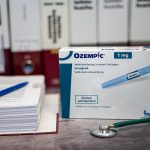
A federal deadline ending the sale of off-brand weight-loss and diabetes medications is now in effect, cutting off access to drugs many patients count on. The U.S. Food and Drug Administration (FDA) already declared that shortages of popular GLP-1 medications have ended, CNN reported. Those medications include semaglutide (Ozempic and Wegovy) and tirzepatide (Mounjaro and Zepbound). That means compounded versions of these drugs made by smaller pharmacies and sold without FDA approval can no longer be legally produced or sold. The deadline for stopping production and distribution of compounded tirzepatide passed in March. Thursday was the final day for compounded semaglutide. For thousands of people, these compounded medications were more affordable than brand-name versions. Olympia Pharmaceuticals alone supplied more than 70,000 people each week, according to its chief financial officer, Josh Fritzler. “We had to be transparent. … ‘OK, we’re going to prioritize the shortage need for the next three months to make sure that we can meet as many patients as possible before this transition is over. Because a lot of them are scared that they’re going to run out,’” Fritzler told CNN. Michelle Pierce, 25, from Texas, said compounded semaglutide helped her lower her blood sugar and avoid back surgery. But with the end of availability, she told CNN, “I don’t really have any other options. I absolutely cannot afford to completely pay…  read on >  read on >

A federal deadline ending sale of off-brand weight-loss and diabetes medications is now in effect, cutting off access to drugs many patients count on. The U.S. Food and Drug Administration (FDA) already declared that shortages of popular GLP-1 medications have ended, CNN reported. Those medications include semaglutide (Ozempic and Wegovy) and tirzepatide (Mounjaro and Zepbound).  That means compounded versions of these drugs made by smaller pharmacies and sold without FDA approval can no longer be legally produced or sold. The deadline for stopping production and distribution of compounded tirzepatide passed in March. Thursday was the final day for compounded semaglutide. For thousands of people, these compounded medications were more affordable than brand-name versions. Olympia Pharmaceuticals alone supplied more than 70,000 people each week, according to its chief financial officer, Josh Fritzler. “We had to be transparent. … ‘OK, we’re going to prioritize the shortage need for the next three months to make sure that we can meet as many patients as possible before this transition is over. Because a lot of them are scared that they’re going to run out,’ ” Fritzler told CNN. Michelle Pierce, 25, from Texas, said compounded semaglutide helped her lower her blood sugar and avoid back surgery. But with the end of availability, she told CNN, “I don’t really have any other options. I absolutely cannot afford to completely pay…  read on >  read on >

Dirty, crowded urban environments can significantly increase a person’s risk of developing asthma, a new study says. Cleaner, better-thought-out cities could ward off 1 of every 10 asthma cases, researchers reported recently in The Lancet Regional Health – Europe. Asthma risk in both kids and adults is increased due to urban air pollution, dense development and limited green spaces, results show. Cities built or altered to address these risks can help prevent asthma, researchers said. “We have combined several environmental factors and described how they together affect the risk of developing asthma,” lead researcher Zhebin Yu, an assistant professor of environmental medicine at the Karolinska Institute in Sweden, said in a news release. “This provides a better picture of environmental risks, as life in a city usually involves exposure to several environmental risk factors at the same time,” Yu continued. For the study, researchers pooled data from 14 previous studies involving nearly 350,000 people living in seven European countries. The data contained home addresses of each person, allowing the team to tie different environmental risks to specific cases of asthma. These risks included air pollution, outdoor temperatures and the level of urban density. Nearly 7,500 people included in the study developed asthma as children or adults, and nearly 12% of asthma cases could be explained by environmental factors, results show. That means that in a…  read on >  read on >