









All Sauce from Weekly Gravy:

Dirty, crowded urban environments can significantly increase a person’s risk of developing asthma, a new study says. Cleaner, better-thought-out cities could ward off 1 of every 10 asthma cases, researchers reported recently in The Lancet Regional Health – Europe. Asthma risk in both kids and adults is increased due to urban air pollution, dense development and limited green spaces, results show. Cities built or altered to address these risks can help prevent asthma, researchers said. “We have combined several environmental factors and described how they together affect the risk of developing asthma,” lead researcher Zhebin Yu, an assistant professor of environmental medicine at the Karolinska Institute in Sweden, said in a news release. “This provides a better picture of environmental risks, as life in a city usually involves exposure to several environmental risk factors at the same time,” Yu continued. For the study, researchers pooled data from 14 previous studies involving nearly 350,000 people living in seven European countries. The data contained home addresses of each person, allowing the team to tie different environmental risks to specific cases of asthma. These risks included air pollution, outdoor temperatures and the level of urban density. Nearly 7,500 people included in the study developed asthma as children or adults, and nearly 12% of asthma cases could be explained by environmental factors, results show. That means that in a…  read on >  read on >

They’re a go-to breakfast for millions of kids and adults. They’re brightly colored, packed in enticing boxes and often marketed as healthy — but many cereals today are actually less nutritious than they were a decade ago, a new study has found. Breakfast cereals in the U.S. now contain more sugar, fat and salt, while key nutrients like protein and fiber are on the decline, according to research published May 21 in JAMA Network Open. The study looked at 1,200 newly launched or reformulated cereals sold between 2010 and 2023.  Researchers found that while these cereals are often promoted as healthy, their nutrition labels tell a different story. “What’s most surprising to me is that the healthy claims made on the front of these products and the nutritional facts on the back are actually going in the opposite direction,” study co-author Shuoli Zhao, a professor of agricultural economics at the University of Kentucky, told The New York Times. The study found that, per serving, total fat in breakfast cereals rose by 34%, sodium by 32%, and sugar by nearly 11% over the 13-year period. This trend concerns experts because ready-to-eat cereals are a major part of the American diet, especially for kiddos, The Times reported. Nearly one-third of children eat cereal each morning, according to the U.S. Department of Agriculture. But only 15% eat fruit…  read on >  read on >

They’re a go-to breakfast for millions of kids and adults. They’re brightly colored, packed in enticing boxes and often marketed as healthy — but many cereals today are actually less nutritious than they were a decade ago, a new study has found. Breakfast cereals in the U.S. now contain more sugar, fat and salt, while key nutrients like protein and fiber are on the decline, according to research published May 21 in JAMA Network Open. The study looked at 1,200 newly launched or reformulated cereals sold between 2010 and 2023.  Researchers found that while these cereals are often promoted as healthy, their nutrition labels tell a different story. “What’s most surprising to me is that the healthy claims made on the front of these products and the nutritional facts on the back are actually going in the opposite direction,” study co-author Shuoli Zhao, a professor of agricultural economics at the University of Kentucky, told The New York Times. The study found that, per serving, total fat in breakfast cereals rose by 34%, sodium by 32%, and sugar by nearly 11% over the 13-year period. This trend concerns experts because ready-to-eat cereals are a major part of the American diet, especially for kiddos, The Times reported. Nearly one-third of children eat cereal each morning, according to the U.S. Department of Agriculture. But only 15% eat fruit…  read on >  read on >

Social media does indeed appear to be making kids more prone to depression, a new study says. Preteens are more likely to develop symptoms of depression as their use of social media increases, researchers reported May 21 in JAMA Network Open. Depression symptoms increased 35% as kids’ average social media use rose from seven minutes to 73 minutes daily over a three-year period, researchers found. However, the reverse wasn’t true: Depressed kids didn’t necessarily flock to social media, results show. “There has been ongoing debate about whether social media contributes to depression or simply reflects underlying depressive symptoms,” said lead researcher Dr. Jason Nagata, an associate professor of pediatrics at the University of California – San Francisco.  “These findings provide evidence that social media may be contributing to the development of depressive symptoms,” Nagata said in a news release. For the study, researchers analyzed data on nearly 12,000 kids participating in the Adolescent Brain Cognitive Development Study, a federally funded research project that is the largest long-term study of brain development and child health in the United States. Researchers checked the kids’ depressive symptoms and social media use at ages 9 and 10, and then three years later at 12 to 13. The kids’ social media use increased steadily as they aged, from an average 7 minutes daily at the start to 73 minutes a…  read on >  read on >

Social media does indeed appear to be making kids more prone to depression, a new study says. Preteens are more likely to develop symptoms of depression as their use of social media increases, researchers reported May 21 in JAMA Network Open. Depression symptoms increased 35% as kids’ average social media use rose from seven minutes to 73 minutes daily over a three-year period, researchers found. However, the reverse wasn’t true: Depressed kids didn’t necessarily flock to social media, results show. “There has been ongoing debate about whether social media contributes to depression or simply reflects underlying depressive symptoms,” said lead researcher Dr. Jason Nagata, an associate professor of pediatrics at the University of California – San Francisco.  “These findings provide evidence that social media may be contributing to the development of depressive symptoms,” Nagata said in a news release. For the study, researchers analyzed data on nearly 12,000 kids participating in the Adolescent Brain Cognitive Development Study, a federally funded research project that is the largest long-term study of brain development and child health in the United States. Researchers checked the kids’ depressive symptoms and social media use at ages 9 and 10, and then three years later at 12 to 13. The kids’ social media use increased steadily as they aged, from an average 7 minutes daily at the start to 73 minutes a…  read on >  read on >

Making vape devices boring could help deter teens and young adults from picking up the e-cigarette habit, a new study says. Vape devices currently come in colorful packaging and all sorts of fun designs, intended to enhance their appeal, researchers said. Offering a standardized white disposable vape made the devices less appealing, compared to colorful options, according to findings published May 20 in the journal Tobacco Control. “For countries interested in discouraging vaping among young people, standardizing the color of vaping devices could be considered alongside standardized packaging as a potential policy option,” concluded the research team led by Harry Tattan-Birch, a senior research fellow at University College London in the U.K. The rise of vaping has coincided with the introduction of disposable devices, and these devices come in many attractive colors and interesting designs, researchers said in background notes. There’s little regulation over the design of vaping devices, they pointed out, a stark contrast to other more heavily regulated tobacco products. To see whether the devices’ design makes a difference, researchers surveyed nearly 15,300 young people 16 to 29 living in England, Canada or the U.S. The participants were randomly shown images of either four branded disposable vapes or four standardized white vape devices, and then asked which they would be interested in trying. More than 67% of those shown the white vapes said…  read on >  read on >

Making vape devices boring could help deter teens and young adults from picking up the e-cigarette habit, a new study says. Vape devices currently come in colorful packaging and all sorts of fun designs, intended to enhance their appeal, researchers said. Offering a standardized white disposable vape made the devices less appealing, compared to colorful options, according to findings published May 20 in the journal Tobacco Control. “For countries interested in discouraging vaping among young people, standardizing the color of vaping devices could be considered alongside standardized packaging as a potential policy option,” concluded the research team led by Harry Tattan-Birch, a senior research fellow at University College London in the U.K. The rise of vaping has coincided with the introduction of disposable devices, and these devices come in many attractive colors and interesting designs, researchers said in background notes. There’s little regulation over the design of vaping devices, they pointed out, a stark contrast to other more heavily regulated tobacco products. To see whether the devices’ design makes a difference, researchers surveyed nearly 15,300 young people 16 to 29 living in England, Canada or the U.S. The participants were randomly shown images of either four branded disposable vapes or four standardized white vape devices, and then asked which they would be interested in trying. More than 67% of those shown the white vapes said…  read on >  read on >

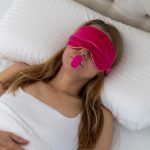
Mouth taping is one of the latest health fads to swamp social media, driven by celebrity endorsements from the likes of Gwenyth Paltrow and Ashley Graham. The practice of taping your mouth shut as you sleep is meant to prevent mouth breathing, in hopes of improving rest by warding off snoring or sleep apnea. But a new review says there’s little evidence the fad actually benefits sleep. In fact, for many it could pose a serious risk of asphyxiation in the night. “The social media phenomenon of mouth taping as a means to stop mouth breathing would seem to be guided by poor evidence and can even lead to risk of detrimental effects in individuals with serious nasal obstruction,” concluded the research team led by senior researcher Dr. Brian Rotenberg, a professor of otolaryngology at Western University in Ontario, Canada. For the review, researchers evaluated 10 previously published studies of sealing the mouth shut during sleep. The studies employed different methods — using tape or other devices, like chin straps — to test the practice on a total 213 patients. The review was prompted by social media posts promoting the practice as a means of sleeping better, fighting aging and even improving dry mouth and bad breath, researchers said. “This is probably the single best wellness tool I have found recently,” Paltrow wrote on Instagram…  read on >  read on >

Mouth taping is one of the latest health fads to swamp social media, driven by celebrity endorsements from the likes of Gwenyth Paltrow and Ashley Graham. The practice of taping your mouth shut as you sleep is meant to prevent mouth breathing, in hopes of improving rest by warding off snoring or sleep apnea. But a new review says there’s little evidence the fad actually benefits sleep. In fact, for many it could pose a serious risk of asphyxiation in the night. “The social media phenomenon of mouth taping as a means to stop mouth breathing would seem to be guided by poor evidence and can even lead to risk of detrimental effects in individuals with serious nasal obstruction,” concluded the research team led by senior researcher Dr. Brian Rotenberg, a professor of otolaryngology at Western University in Ontario, Canada. For the review, researchers evaluated 10 previously published studies of sealing the mouth shut during sleep. The studies employed different methods — using tape or other devices, like chin straps — to test the practice on a total 213 patients. The review was prompted by social media posts promoting the practice as a means of sleeping better, fighting aging and even improving dry mouth and bad breath, researchers said. “This is probably the single best wellness tool I have found recently,” Paltrow wrote on Instagram…  read on >  read on >