







A new pill from Merck could change how millions of people treat high cholesterol and help prevent heart attacks and strokes without the need for injections. The drug, called enlicitide, slashes levels of harmful LDL cholesterol by up to 60%, similar to injectable PCSK9 drugs already on the market.  The pill blocks a liver protein called PCSK9, which slows the body’s ability to clear cholesterol from the blood. “Lower is better for sure,” University of Pennsylvania cardiologist Dr. Daniel Soffer told The New York Times.  The 24-week trial included 2,912 adults who had a prior heart attack, stroke or other cardiovascular event, or were at high risk for one.  Those who took enlicitide saw LDL cholesterol levels drop by as much as 60% compared with those who were given a placebo. Researchers found no difference in side effects between the two groups. Enlicitide could offer a simpler and more affordable alternative to the PCSK9 injections now on the market, such as Repatha, which is made by Amgen, and Praluent, made by Regeneron and Sanofi. Dr. Dean Li, president of Merck Research Laboratories, told The Times that the company hopes to keep costs down and make the treatment as simple and routine as taking aspirin. “The dream is to democratize PCSK9,” Li explained. “This dream has the possibility of coming true.” Creating a pill to block…  read on >  read on >

A new pill from Merck could change how millions of people treat high cholesterol and help prevent heart attacks and strokes without the need for injections. The drug, called enlicitide, slashes levels of harmful LDL cholesterol by up to 60%, similar to injectable PCSK9 drugs already on the market.  The pill blocks a liver protein called PCSK9, which slows the body’s ability to clear cholesterol from the blood. “Lower is better for sure,” University of Pennsylvania cardiologist Dr. Daniel Soffer told The New York Times.  The 24-week trial included 2,912 adults who had a prior heart attack, stroke or other cardiovascular event, or were at high risk for one.  Those who took enlicitide saw LDL cholesterol levels drop by as much as 60% compared with those who were given a placebo. Researchers found no difference in side effects between the two groups. Enlicitide could offer a simpler and more affordable alternative to the PCSK9 injections now on the market, such as Repatha, which is made by Amgen, and Praluent, made by Regeneron and Sanofi. Dr. Dean Li, president of Merck Research Laboratories, told The Times that the company hopes to keep costs down and make the treatment as simple and routine as taking aspirin. “The dream is to democratize PCSK9,” Li explained. “This dream has the possibility of coming true.” Creating a pill to block…  read on >  read on >
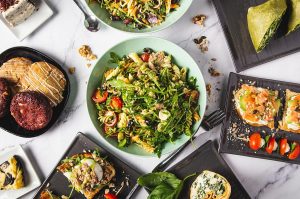
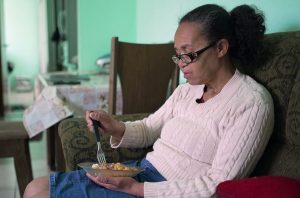
Black adults living in food deserts can beat high blood pressure, with a little help. Folks living in an area with few grocery stores had a greater reduction in blood pressure if they participated in a program that home-delivered healthy eats, researchers recently reported in the Journal of the American Medical Association. They fared better than a similar group given money to buy groceries and plan meals on their own, the study found. “So much of what we know about healthy eating has been conducted with food prepared in research laboratory kitchens, often using specially designed foods,” lead researcher Dr. Stephen Juraschek said in a news release. “This study is significant because it is focused on helping people eat healthier, more nutritious foods they can purchase in a regular grocery store,” said Juraschek, an associate professor of medicine at Harvard Medical School in Boston and an associate professor of nutrition at Harvard T.H. Chan School of Public Health. “Our results confirm that with the right resources and support, people can make healthy food choices, which ultimately improves their cardiovascular and metabolic health.” For the new study, researchers recruited 180 people living with high blood pressure in a food desert and randomly assigned them to one of two groups. The first group received 12 weeks of home-delivered groceries patterned on the DASH (Dietary Approaches to Stop…  read on >  read on >

Black adults living in food deserts can beat high blood pressure, with a little help. Folks living in an area with few grocery stores had a greater reduction in blood pressure if they participated in a program that home-delivered healthy eats, researchers recently reported in the Journal of the American Medical Association. They fared better than a similar group given money to buy groceries and plan meals on their own, the study found. “So much of what we know about healthy eating has been conducted with food prepared in research laboratory kitchens, often using specially designed foods,” lead researcher Dr. Stephen Juraschek said in a news release. “This study is significant because it is focused on helping people eat healthier, more nutritious foods they can purchase in a regular grocery store,” said Juraschek, an associate professor of medicine at Harvard Medical School in Boston and an associate professor of nutrition at Harvard T.H. Chan School of Public Health. “Our results confirm that with the right resources and support, people can make healthy food choices, which ultimately improves their cardiovascular and metabolic health.” For the new study, researchers recruited 180 people living with high blood pressure in a food desert and randomly assigned them to one of two groups. The first group received 12 weeks of home-delivered groceries patterned on the DASH (Dietary Approaches to Stop…  read on >  read on >

Chowing down on ultra-processed foods – fast food, packaged snacks, heat-and-eat meals – increases young adults’ risk of health problems that contribute to diabetes, a new study warns. An increase in ultra-processed food intake is associated with a higher risk of prediabetes, in which early-stage high blood sugar can lead to type 2 diabetes, researchers reported Nov. 10 in the journal Nutrition and Metabolism. More ultra-processed eats in one’s diet were also linked to an increase in insulin resistance, another contributor to diabetes, researchers found. “Even modest increases in ultra-processed food intake can disrupt glucose regulation in young adults at risk for obesity,” said senior researcher Dr. Vaia Lida Chatzi, a professor of population and public health sciences and pediatrics at the Keck School of Medicine of USC. “These results point to diet as a modifiable driver of early metabolic disease, and an urgent target for prevention strategies among young people,” Chatzi added in a news release. Ultra-processed foods are made mostly from substances extracted from whole foods, like saturated fats, starches and added sugars. They also contain a wide variety of additives to make them more tasty, attractive and shelf-stable, including colors, emulsifiers, flavors and stabilizers. Examples include packaged baked goods, sugary cereals, ready-to-eat or ready-to-heat products and deli cold cuts. For the study, researchers tracked a group of 85 17- to 22-year-olds who…  read on >  read on >

Chowing down on ultra-processed foods – fast food, packaged snacks, heat-and-eat meals – increases young adults’ risk of health problems that contribute to diabetes, a new study warns. An increase in ultra-processed food intake is associated with a higher risk of prediabetes, in which early-stage high blood sugar can lead to type 2 diabetes, researchers reported Nov. 10 in the journal Nutrition and Metabolism. More ultra-processed eats in one’s diet were also linked to an increase in insulin resistance, another contributor to diabetes, researchers found. “Even modest increases in ultra-processed food intake can disrupt glucose regulation in young adults at risk for obesity,” said senior researcher Dr. Vaia Lida Chatzi, a professor of population and public health sciences and pediatrics at the Keck School of Medicine of USC. “These results point to diet as a modifiable driver of early metabolic disease, and an urgent target for prevention strategies among young people,” Chatzi added in a news release. Ultra-processed foods are made mostly from substances extracted from whole foods, like saturated fats, starches and added sugars. They also contain a wide variety of additives to make them more tasty, attractive and shelf-stable, including colors, emulsifiers, flavors and stabilizers. Examples include packaged baked goods, sugary cereals, ready-to-eat or ready-to-heat products and deli cold cuts. For the study, researchers tracked a group of 85 17- to 22-year-olds who…  read on >  read on >

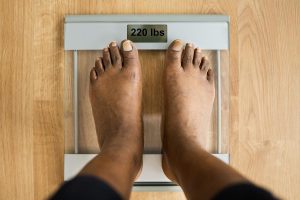
The rate of kids and teens with high blood pressure worldwide nearly doubled over the past two decades, according to a startling new report. In 2020, more than 6% of children and adolescents under 19 had high blood pressure, up from around 3% in 2000, researchers reported Nov. 12 in The Lancet Child & Adolescent Health. Obesity is a major driver of this increase, the study found. About 19% of kids and teens with obesity have high blood pressure, versus fewer than 3% of those with healthy weight. “The nearly twofold increase in childhood high blood pressure over 20 years should raise alarm bells for health care providers and caregivers,” senior researcher Dr. Igor Rudan said in a news release. He’s director of the Center for Global Health Research at the University of Edinburgh’s Usher Institute in Scotland. Young people with high blood pressure have a higher risk of heart and kidney problems throughout their lives, researchers said in background notes. “But the good news is that we can take steps now, such as improving screening and prevention efforts, to help control high blood pressure in children and reduce the risks of additional health complications in the future,” Rudan said. For the study, researchers pooled data from 96 previous studies, including 83 with in-office blood pressure test results for nearly 444,000 kids and teens. Results…  read on >  read on >

The rate of kids and teens with high blood pressure worldwide nearly doubled over the past two decades, according to a startling new report. In 2020, more than 6% of children and adolescents under 19 had high blood pressure, up from around 3% in 2000, researchers reported Nov. 12 in The Lancet Child & Adolescent Health. Obesity is a major driver of this increase, the study found. About 19% of kids and teens with obesity have high blood pressure, versus fewer than 3% of those with healthy weight. “The nearly twofold increase in childhood high blood pressure over 20 years should raise alarm bells for health care providers and caregivers,” senior researcher Dr. Igor Rudan said in a news release. He’s director of the Center for Global Health Research at the University of Edinburgh’s Usher Institute in Scotland. Young people with high blood pressure have a higher risk of heart and kidney problems throughout their lives, researchers said in background notes. “But the good news is that we can take steps now, such as improving screening and prevention efforts, to help control high blood pressure in children and reduce the risks of additional health complications in the future,” Rudan said. For the study, researchers pooled data from 96 previous studies, including 83 with in-office blood pressure test results for nearly 444,000 kids and teens. Results…  read on >  read on >

People facing a major surgery might understandably think they need to conserve their energy, both for the procedure as well as the rehabilitation to follow. But they’d be better off if they engaged in “prehabilitation.” And a new study found prehab works best if a patient receives some one-on-one attention. Patients who got a personalized prehab program with twice-weekly coaching wound up better prepped for surgery than those offered standard pre-surgery advice without any direct guidance, researchers reported Nov. 12 in the journal JAMA Surgery. Those who got personal coaching improved significantly on every test of physical and mental fitness prior to their procedure, researchers found. The patients also experienced changes in their immune system that aided their post-surgery recovery and wound up with fewer major complications. “You can think of prehab as a way to train — not just your physical resilience, but also your immunological, neurocognitive and psychological state, to really prepare for this major trauma of surgery,” senior author Dr. Brice Gaudilliere, a professor of anesthesiology, perioperative and pain medicine at Stanford University, added in a news release. Eating right, exercising and getting plenty of sleep to boost physical and mental health can help a person withstand the extraordinary toll that major surgery takes on the human body, researchers said. “You would never run a marathon without training for it,” senior author Dr.…  read on >  read on >

People facing a major surgery might understandably think they need to conserve their energy, both for the procedure as well as the rehabilitation to follow. But they’d be better off if they engaged in “prehabilitation.” And a new study found prehab works best if a patient receives some one-on-one attention. Patients who got a personalized prehab program with twice-weekly coaching wound up better prepped for surgery than those offered standard pre-surgery advice without any direct guidance, researchers reported Nov. 12 in the journal JAMA Surgery. Those who got personal coaching improved significantly on every test of physical and mental fitness prior to their procedure, researchers found. The patients also experienced changes in their immune system that aided their post-surgery recovery and wound up with fewer major complications. “You can think of prehab as a way to train — not just your physical resilience, but also your immunological, neurocognitive and psychological state, to really prepare for this major trauma of surgery,” senior author Dr. Brice Gaudilliere, a professor of anesthesiology, perioperative and pain medicine at Stanford University, added in a news release. Eating right, exercising and getting plenty of sleep to boost physical and mental health can help a person withstand the extraordinary toll that major surgery takes on the human body, researchers said. “You would never run a marathon without training for it,” senior author Dr.…  read on >  read on >