









Want your asthma to improve? Cultivate a positive outlook, researchers say. An asthma patient’s level of optimism or pessimism can influence how their symptoms progress, a new study says. People who expect their asthma and health to get worse wind up reporting more symptoms over time, researchers reported recently in the journal Health Expectations. This wasn’t just in patient’s heads, either. Negative expectations were associated with a greater decline in actual lung function, researchers found. On the other hand, people optimistic about their outlook experienced a slower progression of their asthma, results show. “Explicit expectations were strongly associated with symptom outcomes, with optimistic expectations linked to clinical improvements and negative expectations predicting worsening symptoms,” concluded the research team led by Francisco Pagnini, a professor of clinical psychology at Catholic University of the Sacred Heart in Milan. For the study, researchers tracked 310 people diagnosed with asthma for six months. The team had patients fill out a questionnaire to gauge their feelings about how their asthma would proceed, including explicit expectations of their future symptoms and health. Participants also performed lung function tests at regular intervals, and filled out symptom charts. More negative expectations predicted both worse symptoms and declining lung function, researchers found. “The hypothesis suggested to explain these results is that, as with the placebo effect, what happens is that if I have an…  read on >  read on >
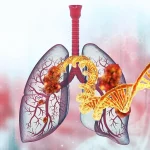
Two drugs used in lung cancer treatment appear to be tripping over each other, reducing patients’ chances for a cure, a new study says. Corticosteroids are commonly prescribed to alleviate cancer-related symptoms in patients with non-small cell lung cancer, researchers said. But these steroids appear to dampen the effectiveness of immunotherapy against lung cancer, researchers report in Cancer Research Communications. High doses of steroids given before or during treatment with immune checkpoint inhibitors (ICIs), which are drugs that block cancer cells’ ability to evade the immune system. “Steroids were the biggest predictor of why certain immunotherapies may not be effective, even when considering multiple other factors such as stage and progression of the disease,” said lead researcher Dr. Fumito Ito, an oncologist and immunologist with Keck Medicine of USC in Los Angeles. It appears that steroids affect the development of T-cells, the hunter/killer immune cells that immune checkpoint inhibitors are meant to unleash, researchers said. “Our findings reveal that steroids stop the body’s natural cancer-fighting cells, T-cells, from maturing,” Ito said. “This makes them unable to attack the cancer as vigorously as they usually would, leading to worse outcomes for patients.” Ito noted that other research has indicated steroids may interfere with immunotherapy. “We are one of the first,” he added, “To pinpoint a probable cause and effect.” For the study, his team analyzed medical…  read on >  read on >

Two drugs used in lung cancer treatment appear to be tripping over each other, reducing patients’ chances for a cure, a new study says. Corticosteroids are commonly prescribed to alleviate cancer-related symptoms in patients with non-small cell lung cancer, researchers said. But these steroids appear to dampen the effectiveness of immunotherapy against lung cancer, researchers report in Cancer Research Communications. High doses of steroids given before or during treatment with immune checkpoint inhibitors (ICIs), which are drugs that block cancer cells’ ability to evade the immune system. “Steroids were the biggest predictor of why certain immunotherapies may not be effective, even when considering multiple other factors such as stage and progression of the disease,” said lead researcher Dr. Fumito Ito, an oncologist and immunologist with Keck Medicine of USC in Los Angeles. It appears that steroids affect the development of T-cells, the hunter/killer immune cells that immune checkpoint inhibitors are meant to unleash, researchers said. “Our findings reveal that steroids stop the body’s natural cancer-fighting cells, T-cells, from maturing,” Ito said. “This makes them unable to attack the cancer as vigorously as they usually would, leading to worse outcomes for patients.” Ito noted that other research has indicated steroids may interfere with immunotherapy. “We are one of the first,” he added, “To pinpoint a probable cause and effect.” For the study, his team analyzed medical…  read on >  read on >

A single mood disorder might have driven a rapid increase in Pennsylvania’s medical marijuana program, a new study says. Enrollment dramatically spiked after officials added anxiety to the list of conditions that could be treated with medical weed, researchers reported July 7 in the Annals of Internal Medicine. Chronic pain had been the condition most cited by patients signing up for the Keystone State’s medical cannabis program, followed by post-traumatic stress disorder (PTSD). But anxiety quickly became the most-cited condition after it joined the list, researchers found. Medical marijuana certifications rose more than 11-fold overall, fueled by an increase in certifications citing anxiety, researchers said. “We found that adding anxiety as a qualifying condition fundamentally changed the makeup of Pennsylvania’s medical cannabis program,” corresponding author Coleman Drake, an associate professor of health policy and management at the University of Pittsburgh School of Public Health, said in a news release. Pennsylvania’s medical cannabis program started in November 2017. Certifications require a doctor’s visit, and participants must renew every year. Recreational weed remains illegal in the state. At the program’s start, 136,810 people had signed up. Chronic pain comprised the lion’s share of diagnoses at 67%, followed by 16% for PTSD. Regulators added anxiety to the list of qualifying conditions in July 2019, researchers said. Afterward, enrollment in the program boomed, with nearly 1.6 million people signing…  read on >  read on >

A single mood disorder might have driven a rapid increase in Pennsylvania’s medical marijuana program, a new study says. Enrollment dramatically spiked after officials added anxiety to the list of conditions that could be treated with medical weed, researchers reported July 7 in the Annals of Internal Medicine. Chronic pain had been the condition most cited by patients signing up for the Keystone State’s medical cannabis program, followed by post-traumatic stress disorder (PTSD). But anxiety quickly became the most-cited condition after it joined the list, researchers found. Medical marijuana certifications rose more than 11-fold overall, fueled by an increase in certifications citing anxiety, researchers said. “We found that adding anxiety as a qualifying condition fundamentally changed the makeup of Pennsylvania’s medical cannabis program,” corresponding author Coleman Drake, an associate professor of health policy and management at the University of Pittsburgh School of Public Health, said in a news release. Pennsylvania’s medical cannabis program started in November 2017. Certifications require a doctor’s visit, and participants must renew every year. Recreational weed remains illegal in the state. At the program’s start, 136,810 people had signed up. Chronic pain comprised the lion’s share of diagnoses at 67%, followed by 16% for PTSD. Regulators added anxiety to the list of qualifying conditions in July 2019, researchers said. Afterward, enrollment in the program boomed, with nearly 1.6 million people signing…  read on >  read on >

There are three common health emergencies for which all U.S. schools should be prepared, a new study says. Brain-related crises like seizures, psychiatric conditions or substance abuse, and trauma-related injuries are the three main reasons paramedics respond to schools, according to a new report in the journal Pediatrics. All together, these three types of medical emergencies account for about half of emergency medical services (EMS) trips to schools, researchers say. “While many schools have taken steps to ensure they are prepared for medical emergencies, many can still enhance their preparedness,” said lead researcher Dr. Michael Harries, a pediatric emergency medicine fellow at Ann and Robert H. Lurie Children’s Hospital of Chicago. “Our study results highlight specific target areas for training of school staff, given that timeliness of treatment in an emergency is essential,” Harries said  in a news release. “We also stress that certain emergency medications should be available in the school setting, including benzodiazepine for seizures, epinephrine for food allergies and albuterol for asthma.” For the new study, researchers analyzed more than 506,500 EMS responses to schools that occurred between 2018 and 2022, including treatment of children aged 5 to 17. Neurologic problems like seizures accounted for 19% of EMS calls to schools, and psychiatric conditions or substance abuse nearly 17% of calls. Injuries caused by accidents or mishaps accounted for another 15%. Elementary…  read on >  read on >

There are three common health emergencies for which all U.S. schools should be prepared, a new study says. Brain-related crises like seizures, psychiatric conditions or substance abuse, and trauma-related injuries are the three main reasons paramedics respond to schools, according to a new report in the journal Pediatrics. All together, these three types of medical emergencies account for about half of emergency medical services (EMS) trips to schools, researchers say. “While many schools have taken steps to ensure they are prepared for medical emergencies, many can still enhance their preparedness,” said lead researcher Dr. Michael Harries, a pediatric emergency medicine fellow at Ann and Robert H. Lurie Children’s Hospital of Chicago. “Our study results highlight specific target areas for training of school staff, given that timeliness of treatment in an emergency is essential,” Harries said  in a news release. “We also stress that certain emergency medications should be available in the school setting, including benzodiazepine for seizures, epinephrine for food allergies and albuterol for asthma.” For the new study, researchers analyzed more than 506,500 EMS responses to schools that occurred between 2018 and 2022, including treatment of children aged 5 to 17. Neurologic problems like seizures accounted for 19% of EMS calls to schools, and psychiatric conditions or substance abuse nearly 17% of calls. Injuries caused by accidents or mishaps accounted for another 15%. Elementary…  read on >  read on >

Sleep apnea could be increasing the risks borne by U.S. soldiers serving on the front lines of combat, a new study says. Front-line soldiers are far more likely to suffer PTSD, anxiety, depression and injuries if they have sleep apnea, researchers reported recently in the journal Chest. “This study underscores the growing importance of early intervention in sleep apnea and access to high quality, cost-effective sleep care for service members,” lead researcher Emerson Wickwire, section chief of sleep medicine at the University of Maryland School of Medicine, said in a news release. Active-duty service members already struggle to get their minimum seven hours of shut-eye per night, researchers said in background notes. Only one-third regularly get enough sleep. There’s also a growing awareness of sleep apnea among troops, with diagnoses increasing more than tenfold between 2005 and 2019, researchers added. For this study, researchers compared about 60,000 service members with newly diagnosed sleep apnea against soldiers with similar backgrounds but no apnea problems. During the 12 months after their diagnosis, soldiers with sleep apnea had an additional 170,511 doctor’s visits and 1,852 ER visits compared to the healthy service members, results show. They also had a higher risk of health and mental problems, including a: 4.4-times higher risk of PTSD. 3.4-times increased risk of anxiety. 3 times increased risk for depression.  3.3-times higher risk of…  read on >  read on >

Sleep apnea could be increasing the risks borne by U.S. soldiers serving on the front lines of combat, a new study says. Front-line soldiers are far more likely to suffer PTSD, anxiety, depression and injuries if they have sleep apnea, researchers reported recently in the journal Chest. “This study underscores the growing importance of early intervention in sleep apnea and access to high quality, cost-effective sleep care for service members,” lead researcher Emerson Wickwire, section chief of sleep medicine at the University of Maryland School of Medicine, said in a news release. Active-duty service members already struggle to get their minimum seven hours of shut-eye per night, researchers said in background notes. Only one-third regularly get enough sleep. There’s also a growing awareness of sleep apnea among troops, with diagnoses increasing more than tenfold between 2005 and 2019, researchers added. For this study, researchers compared about 60,000 service members with newly diagnosed sleep apnea against soldiers with similar backgrounds but no apnea problems. During the 12 months after their diagnosis, soldiers with sleep apnea had an additional 170,511 doctor’s visits and 1,852 ER visits compared to the healthy service members, results show. They also had a higher risk of health and mental problems, including a: 4.4-times higher risk of PTSD. 3.4-times increased risk of anxiety. 3 times increased risk for depression.  3.3-times higher risk of…  read on >  read on >

Remember your sweet-hearted grandmother, who never seemed out of sorts no matter what nonsense landed in her lap? That’s a skill, and it improves during a person’s lifespan, a new study says. Women get better at managing their anger as they age, starting in middle-age, researchers reported today in the journal Menopause. That doesn’t mean they’re less angry. Researchers found that as women got older, they were more prone to anger and their anger became more intense, results show. But women also became less likely to express their anger or act with hostility, researchers found. “These findings are consistent with research on emotion regulation efforts during aging, such that efforts to control anger increase along with experiences of anger,” concluded the research team led by Nancy Fugate Woods of the University of Washington School of Nursing in Seattle. For the study, researchers analyzed data from 271 women taking part in the Seattle Midlife Women’s Health Study, a long-term research project that started in the early 1990s. As part of the project, participants filled out a questionnaire related to their anger and hostility levels up to four or five times over the years. Results showed that as women aged, they became more adept at managing anger even though they felt it more acutely. Researchers said this might be because women feel more generativity — a sense…  read on >  read on >