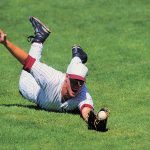










Despite a significant risk of head injuries in baseball and softball, helmet use in those sports is low, a new review says. “Our review demonstrates that traumatic brain injury in baseball and softball affects players of all levels and all positions,” said study lead author Dr. Michael Cusimano, a neurosurgeon at St. Michael’s Hospital in Toronto. “Although the risk for traumatic brain injury is lower in baseball than other, high-contact sports like hockey and football, because the injuries can lead to very serious injuries like skull fractures and bleeding in the brain caused by balls or bats, it should be considered equally as serious and addressed in a way that reflects that,” he said in a hospital news release. Cusimano and his colleagues reviewed 29 studies that included nearly 243,000 traumatic brain injuries sustained by baseball and softball players between 1982 and 2015. Playing levels extended from youth leagues all the way to Major League Baseball players. While baseball and softball had the lowest rate of traumatic head injuries compared with 15 other sports, serious brain injuries occurred once in about every 2,000 games. All formal baseball and softball leagues included in the studies required players to wear helmets. Five of the studies examined the use of protective equipment and found that only 7 percent of players who suffered traumatic brain injuries that required emergency…  read on >

If you have trouble keeping slim, don’t put all the blame on your DNA. People carrying so-called “obesity” genes tend to gain more weight if they don’t work out or don’t get enough sleep, said Timothy Frayling, a professor with the University of Exeter Medical School in England. “You can’t change your genes — but they only explain part of your weight,” Frayling said. This means that even people genetically inclined to pile on pounds can curb it by eating right and exercising. Frayling and his fellow researchers tracked physical activity and sleep patterns for about 85,000 people in England, aged 40 to 70. The participants wore accelerometers that allowed researchers to estimate their amount of exercise and quality of sleep. The team also computed a genetic risk score for each person based on 76 common variants known to be associated with increased risk for obesity. Genetics accounted for some, but not all, of a person’s obesity risk, the researchers concluded. For example, a person of average height who had 10 genetic risk factors for obesity gained an average of 8 pounds during the course of their life if they tended to be couch potatoes, but only about 6 pounds if they were more physically active, the study authors said. The results were similar regarding sleeplessness. People with some genetic risk for obesity tended to…  read on >

Did you spend the hot, sweltering days of summer sitting in front of an air conditioner? Then fall is a probably a good time for you to get up and get moving, medical experts say. Why is now a good time? If you start now, you’ll be well into your exercise program, which will help counter the overeating that typically occurs during the holiday season, according to UPMC Pinnacle, a health care system at the University of Pittsburgh Medical Center. In most of the United States, the fall means cooler temperatures and fewer bugs, which means ideal conditions for walking in local parks or going for hikes in state parks. Having a dog can help motivate you to get out for regular walks. If a dog isn’t an option, find a human walking partner to help keep you motivated. And you don’t need to limit yourself to walking. Other options include cycling, jogging — even dancing. While watching TV, use exercise bands or light weights for some seated strength training, or do standing exercise routines. If you haven’t exercised in a long time or have health issues or concerns, you should talk to your doctor before starting a new exercise routine. More information The U.S. National Heart, Lung, and Blood Institute offers a guide to physical activity.