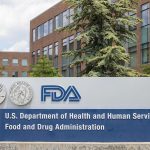
The division lost about 1,000 staff this year amid turnover and morale concerns read on >










The division lost about 1,000 staff this year amid turnover and morale concerns read on >
The division lost about 1,000 staff this year amid turnover and morale concerns read on >

If you’re a regular runner, logging miles on little sleep might be doing more harm than you think. A new study found that runners who slept poorly were nearly twice as likely to get hurt. The study, published in the journal Applied Sciences, surveyed 425 recreational runners and tracked their sleep habits and injuries over a year. Participants who reported shorter sleep duration, poorer sleep quality or frequent sleep problems were 1.78 times more likely to be injured, with a 68% chance of suffering from an injury within 12 months. The research provided “compelling evidence that sleep is a critical yet often overlooked component of injury prevention,” study lead author Jan de Jonge said in a news release. He’s a work and sports psychologist at Eindhoven University of Technology in the Netherlands and adjunct professor at the University of South Australia. The research provides new evidence that sleep plays a critical role in injury prevention, especially for the 620 million people worldwide who run recreationally. Up to 90% of them experience an injury at some point, costing millions each year in health care and missed work. “When sleep is disrupted or insufficient, the body’s ability to repair tissues, regulate hormones and maintain focus diminishes, all of which can increase injury risk,” de Jonge said. The findings also suggest that problems such as trouble falling asleep,… read on > read on >
If you’re a regular runner, logging miles on little sleep might be doing more harm than you think. A new study found that runners who slept poorly were nearly twice as likely to get hurt. The study, published in the journal Applied Sciences, surveyed 425 recreational runners and tracked their sleep habits and injuries over a year. Participants who reported shorter sleep duration, poorer sleep quality or frequent sleep problems were 1.78 times more likely to be injured, with a 68% chance of suffering from an injury within 12 months. The research provided “compelling evidence that sleep is a critical yet often overlooked component of injury prevention,” study lead author Jan de Jonge said in a news release. He’s a work and sports psychologist at Eindhoven University of Technology in the Netherlands and adjunct professor at the University of South Australia. The research provides new evidence that sleep plays a critical role in injury prevention, especially for the 620 million people worldwide who run recreationally. Up to 90% of them experience an injury at some point, costing millions each year in health care and missed work. “When sleep is disrupted or insufficient, the body’s ability to repair tissues, regulate hormones and maintain focus diminishes, all of which can increase injury risk,” de Jonge said. The findings also suggest that problems such as trouble falling asleep,… read on > read on >

A new pill from Merck could change how millions of people treat high cholesterol and help prevent heart attacks and strokes without the need for injections. The drug, called enlicitide, slashes levels of harmful LDL cholesterol by up to 60%, similar to injectable PCSK9 drugs already on the market. The pill blocks a liver protein called PCSK9, which slows the body’s ability to clear cholesterol from the blood. “Lower is better for sure,” University of Pennsylvania cardiologist Dr. Daniel Soffer told The New York Times. The 24-week trial included 2,912 adults who had a prior heart attack, stroke or other cardiovascular event, or were at high risk for one. Those who took enlicitide saw LDL cholesterol levels drop by as much as 60% compared with those who were given a placebo. Researchers found no difference in side effects between the two groups. Enlicitide could offer a simpler and more affordable alternative to the PCSK9 injections now on the market, such as Repatha, which is made by Amgen, and Praluent, made by Regeneron and Sanofi. Dr. Dean Li, president of Merck Research Laboratories, told The Times that the company hopes to keep costs down and make the treatment as simple and routine as taking aspirin. “The dream is to democratize PCSK9,” Li explained. “This dream has the possibility of coming true.” Creating a pill to block… read on > read on >
A new pill from Merck could change how millions of people treat high cholesterol and help prevent heart attacks and strokes without the need for injections. The drug, called enlicitide, slashes levels of harmful LDL cholesterol by up to 60%, similar to injectable PCSK9 drugs already on the market. The pill blocks a liver protein called PCSK9, which slows the body’s ability to clear cholesterol from the blood. “Lower is better for sure,” University of Pennsylvania cardiologist Dr. Daniel Soffer told The New York Times. The 24-week trial included 2,912 adults who had a prior heart attack, stroke or other cardiovascular event, or were at high risk for one. Those who took enlicitide saw LDL cholesterol levels drop by as much as 60% compared with those who were given a placebo. Researchers found no difference in side effects between the two groups. Enlicitide could offer a simpler and more affordable alternative to the PCSK9 injections now on the market, such as Repatha, which is made by Amgen, and Praluent, made by Regeneron and Sanofi. Dr. Dean Li, president of Merck Research Laboratories, told The Times that the company hopes to keep costs down and make the treatment as simple and routine as taking aspirin. “The dream is to democratize PCSK9,” Li explained. “This dream has the possibility of coming true.” Creating a pill to block… read on > read on >

Black adults living in food deserts can beat high blood pressure, with a little help. Folks living in an area with few grocery stores had a greater reduction in blood pressure if they participated in a program that home-delivered healthy eats, researchers recently reported in the Journal of the American Medical Association. They fared better than a similar group given money to buy groceries and plan meals on their own, the study found. “So much of what we know about healthy eating has been conducted with food prepared in research laboratory kitchens, often using specially designed foods,” lead researcher Dr. Stephen Juraschek said in a news release. “This study is significant because it is focused on helping people eat healthier, more nutritious foods they can purchase in a regular grocery store,” said Juraschek, an associate professor of medicine at Harvard Medical School in Boston and an associate professor of nutrition at Harvard T.H. Chan School of Public Health. “Our results confirm that with the right resources and support, people can make healthy food choices, which ultimately improves their cardiovascular and metabolic health.” For the new study, researchers recruited 180 people living with high blood pressure in a food desert and randomly assigned them to one of two groups. The first group received 12 weeks of home-delivered groceries patterned on the DASH (Dietary Approaches to Stop… read on > read on >
Black adults living in food deserts can beat high blood pressure, with a little help. Folks living in an area with few grocery stores had a greater reduction in blood pressure if they participated in a program that home-delivered healthy eats, researchers recently reported in the Journal of the American Medical Association. They fared better than a similar group given money to buy groceries and plan meals on their own, the study found. “So much of what we know about healthy eating has been conducted with food prepared in research laboratory kitchens, often using specially designed foods,” lead researcher Dr. Stephen Juraschek said in a news release. “This study is significant because it is focused on helping people eat healthier, more nutritious foods they can purchase in a regular grocery store,” said Juraschek, an associate professor of medicine at Harvard Medical School in Boston and an associate professor of nutrition at Harvard T.H. Chan School of Public Health. “Our results confirm that with the right resources and support, people can make healthy food choices, which ultimately improves their cardiovascular and metabolic health.” For the new study, researchers recruited 180 people living with high blood pressure in a food desert and randomly assigned them to one of two groups. The first group received 12 weeks of home-delivered groceries patterned on the DASH (Dietary Approaches to Stop… read on > read on >

Chowing down on ultra-processed foods – fast food, packaged snacks, heat-and-eat meals – increases young adults’ risk of health problems that contribute to diabetes, a new study warns. An increase in ultra-processed food intake is associated with a higher risk of prediabetes, in which early-stage high blood sugar can lead to type 2 diabetes, researchers reported Nov. 10 in the journal Nutrition and Metabolism. More ultra-processed eats in one’s diet were also linked to an increase in insulin resistance, another contributor to diabetes, researchers found. “Even modest increases in ultra-processed food intake can disrupt glucose regulation in young adults at risk for obesity,” said senior researcher Dr. Vaia Lida Chatzi, a professor of population and public health sciences and pediatrics at the Keck School of Medicine of USC. “These results point to diet as a modifiable driver of early metabolic disease, and an urgent target for prevention strategies among young people,” Chatzi added in a news release. Ultra-processed foods are made mostly from substances extracted from whole foods, like saturated fats, starches and added sugars. They also contain a wide variety of additives to make them more tasty, attractive and shelf-stable, including colors, emulsifiers, flavors and stabilizers. Examples include packaged baked goods, sugary cereals, ready-to-eat or ready-to-heat products and deli cold cuts. For the study, researchers tracked a group of 85 17- to 22-year-olds who… read on > read on >
Chowing down on ultra-processed foods – fast food, packaged snacks, heat-and-eat meals – increases young adults’ risk of health problems that contribute to diabetes, a new study warns. An increase in ultra-processed food intake is associated with a higher risk of prediabetes, in which early-stage high blood sugar can lead to type 2 diabetes, researchers reported Nov. 10 in the journal Nutrition and Metabolism. More ultra-processed eats in one’s diet were also linked to an increase in insulin resistance, another contributor to diabetes, researchers found. “Even modest increases in ultra-processed food intake can disrupt glucose regulation in young adults at risk for obesity,” said senior researcher Dr. Vaia Lida Chatzi, a professor of population and public health sciences and pediatrics at the Keck School of Medicine of USC. “These results point to diet as a modifiable driver of early metabolic disease, and an urgent target for prevention strategies among young people,” Chatzi added in a news release. Ultra-processed foods are made mostly from substances extracted from whole foods, like saturated fats, starches and added sugars. They also contain a wide variety of additives to make them more tasty, attractive and shelf-stable, including colors, emulsifiers, flavors and stabilizers. Examples include packaged baked goods, sugary cereals, ready-to-eat or ready-to-heat products and deli cold cuts. For the study, researchers tracked a group of 85 17- to 22-year-olds who… read on > read on >