









Cutting-edge weight-loss drugs like Ozempic/Wegovy can cut alcohol intake dramatically in a short amount of time, a new study says. People taking semaglutide or liraglutide reduced their alcohol consumption by two-thirds within four months, according to results recently published in the journal Diabetes, Obesity and Metabolism. These glucagon-like peptide-1 (GLP-1) drugs mimic the GLP-1 hormone, which helps control insulin and blood sugar levels, decreases appetite and slows digestion of food. GLP-1 drugs achieve some of these effects by directly affecting the brain’s cravings for food, and that might also extend to cravings for alcohol, said senior researcher Dr. Carel le Roux, chair of experimental pathology at University College Dublin in Ireland. “Thus, patients report the effects are ‘effortless’,” allowing them to cut drinking with little conscious effort, Le Roux said in a news release. Drinking accounts for nearly 5% of deaths worldwide, researchers noted. Treatments for problem drinking can be very successful in the short-term but about 70% of patients relapse within a year. Early animal studies have indicated that GLP-1 drugs can help cut alcohol cravings, but studies involving humans are only starting to emerge, researchers said. For this study, researchers tracked the health of 262 people who were clinically overweight or obese and being treated for excess weight at a Dublin clinic. All the patients had been prescribed either semaglutide or liraglutide for…  read on >  read on >

Young women taking the Pill might have an increased risk of asthma attacks, a new study says. Taking the progesterone-only form of the contraceptive pill can increase asthma attacks among women under 35, researchers reported May 7 in ERJ Open Research. There was no similar risk among women taking the combo estrogen/progesterone pill, researchers found. “Asthma is common in women, and unfortunately, women are twice as likely to die from asthma as men,” Dr. Chloe Bloom, a clinical senior lecturer in respiratory epidemiology at Imperial College London in the U.K., said in a news release. “To help prevent these deaths, we need a better understanding of why women are at greater risk.” For the study, researchers studied data on nearly 262,000 U.K. women 18 to 50 diagnosed with asthma. The team compared women who’d never used the pill with women who started taking either version of the pill, seeing which of them experienced asthma attacks between 2004 and 2020. Women under 35 taking the progesterone-only pill had a 39% higher risk of asthma attacks, results show. “We found that the combined pill did not affect whether women had asthma attacks, but some women who took the progesterone-only pill had more asthma attacks,” Bloom said.  “These included women under 35 years old, those who used fewer asthma medications, like inhaled or oral steroids, and those with…  read on >  read on >

Young women taking the Pill might have an increased risk of asthma attacks, a new study says. Taking the progesterone-only form of the contraceptive pill can increase asthma attacks among women under 35, researchers reported May 7 in ERJ Open Research. There was no similar risk among women taking the combo estrogen/progesterone pill, researchers found. “Asthma is common in women, and unfortunately, women are twice as likely to die from asthma as men,” Dr. Chloe Bloom, a clinical senior lecturer in respiratory epidemiology at Imperial College London in the U.K., said in a news release. “To help prevent these deaths, we need a better understanding of why women are at greater risk.” For the study, researchers studied data on nearly 262,000 U.K. women 18 to 50 diagnosed with asthma. The team compared women who’d never used the pill with women who started taking either version of the pill, seeing which of them experienced asthma attacks between 2004 and 2020. Women under 35 taking the progesterone-only pill had a 39% higher risk of asthma attacks, results show. “We found that the combined pill did not affect whether women had asthma attacks, but some women who took the progesterone-only pill had more asthma attacks,” Bloom said.  “These included women under 35 years old, those who used fewer asthma medications, like inhaled or oral steroids, and those with…  read on >  read on >

Children and young adults formerly covered by Medicaid are losing access to medications needed to control conditions like depression, schizophrenia, ADHD, asthma and epilepsy, a new study says. Young people need to take these meds regularly to get the best results, as interruptions can cause flare-ups of their chronic health problems, researchers said. Interruptions in these meds are occurring more often in states that have experienced the biggest drops in Medicaid enrollment during the “unwinding” process that started after the end of the COVID pandemic, researchers reported recently in the journal Pediatrics. The unwinding brought an end to Medicaid eligibility rules put in place during the pandemic. For example, children and teens who use asthma inhalers were more likely to decrease use of their meds if they lived in a state with the largest drops in Medicaid enrollment, results show. “Our findings suggest that the rapid disenrollment of young people from Medicaid during the unwinding process resulted in the disruption of chronic disease therapy,” lead researcher Dr. Kao-Ping Chua, a pediatrician and health care researcher at the University of Michigan Medical School and School of Public Health, said in a news release. “As policymakers debate whether to enact drastic cuts to Medicaid funding, they should consider the possibility that doing so could similarly disrupt chronic disease therapy for children and young adults, placing them at…  read on >  read on >

Children and young adults formerly covered by Medicaid are losing access to medications needed to control conditions like depression, schizophrenia, ADHD, asthma and epilepsy, a new study says. Young people need to take these meds regularly to get the best results, as interruptions can cause flare-ups of their chronic health problems, researchers said. Interruptions in these meds are occurring more often in states that have experienced the biggest drops in Medicaid enrollment during the “unwinding” process that started after the end of the COVID pandemic, researchers reported recently in the journal Pediatrics. The unwinding brought an end to Medicaid eligibility rules put in place during the pandemic. For example, children and teens who use asthma inhalers were more likely to decrease use of their meds if they lived in a state with the largest drops in Medicaid enrollment, results show. “Our findings suggest that the rapid disenrollment of young people from Medicaid during the unwinding process resulted in the disruption of chronic disease therapy,” lead researcher Dr. Kao-Ping Chua, a pediatrician and health care researcher at the University of Michigan Medical School and School of Public Health, said in a news release. “As policymakers debate whether to enact drastic cuts to Medicaid funding, they should consider the possibility that doing so could similarly disrupt chronic disease therapy for children and young adults, placing them at…  read on >  read on >

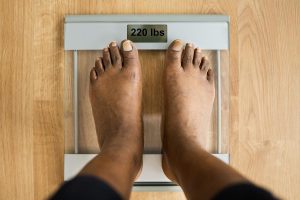
Childhood obesity nearly triples a person’s risk for experiencing discrimination or stigma based on their weight, a new study says. Severe obesity before age 18 increased a person’s odds of experiencing weight stigma by 2.8 times, researchers reported recently in the International Journal of Obesity. Weight stigma is marked by negative or discriminatory actions related to a person’s body weight or size, researchers said in background notes. “Experienced weight stigma is definitely not about hurt feelings,” said senior researcher Dr. Jaime Almandoz, an associate professor of internal medicine at UT Southwestern Medical Center in Dallas. “It’s a real public health issue that impacts mental health, physical health and access to care,” Almandoz said in a news release. “Recognizing and addressing weight stigma needs to be part of routine obesity care.” About 42% of U.S. adults 20 and older are obese, and more than 40% adults report experiencing weight stigma at some point in their lives, researchers said in background notes. Further, the number of children with obesity in the U.S. continues to rise, with about 1 in 5 teens currently living with the condition, researchers said. To see whether age influences their risk of weight stigma, researchers surveyed 686 adults receiving care at UT Southwestern’s Weight Wellness Program between 2021 and 2023.  Participants had an average age of 56, and about 62% had severe obesity…  read on >  read on >

Childhood obesity nearly triples a person’s risk for experiencing discrimination or stigma based on their weight, a new study says. Severe obesity before age 18 increased a person’s odds of experiencing weight stigma by 2.8 times, researchers reported recently in the International Journal of Obesity. Weight stigma is marked by negative or discriminatory actions related to a person’s body weight or size, researchers said in background notes. “Experienced weight stigma is definitely not about hurt feelings,” said senior researcher Dr. Jaime Almandoz, an associate professor of internal medicine at UT Southwestern Medical Center in Dallas. “It’s a real public health issue that impacts mental health, physical health and access to care,” Almandoz said in a news release. “Recognizing and addressing weight stigma needs to be part of routine obesity care.” About 42% of U.S. adults 20 and older are obese, and more than 40% adults report experiencing weight stigma at some point in their lives, researchers said in background notes. Further, the number of children with obesity in the U.S. continues to rise, with about 1 in 5 teens currently living with the condition, researchers said. To see whether age influences their risk of weight stigma, researchers surveyed 686 adults receiving care at UT Southwestern’s Weight Wellness Program between 2021 and 2023.  Participants had an average age of 56, and about 62% had severe obesity…  read on >  read on >

More talk and fewer pills are being employed to help Americans maintain their mental health, a new study says. Psychotherapy is assuming a larger role in mental health care, while medications prescribed without accompanying therapy are becoming less common, according to results published in early May in the American Journal of Psychiatry. “After years of American mental health care moving towards greater use of psychiatric medications, the pendulum has started swinging back towards psychotherapy,” lead researcher Dr. Mark Olfson said in a news release. He’s a professor of epidemiology and psychiatry at Columbia University Mailman School of Public Health. Of Americans relying on outpatient mental health care, the percentage relying on psychotherapy alone rose to 15% in 2021 from less than 12% in 2018, researchers found. At the same time, those relying on medication alone to help their mental health dropped from 68% to 62%, results show. These drugs included antidepressants, antipsychotics and ADHD meds. However, the percentage of patients receiving psychotherapy from psychiatrists declined from 41% to 34%, researchers said. “Psychiatrists provided psychotherapy to a decreasing percentage of all psychotherapy patients, which may have increased the need for psychiatrists to refer patients to and collaborate with non-physician psychotherapists,” Olfson said. “At the same time, social workers and counselors, but not psychologists, assumed a larger role in providing psychotherapy and there was an increase in…  read on >  read on >

More talk and fewer pills are being employed to help Americans maintain their mental health, a new study says. Psychotherapy is assuming a larger role in mental health care, while medications prescribed without accompanying therapy are becoming less common, according to results published in early May in the American Journal of Psychiatry. “After years of American mental health care moving towards greater use of psychiatric medications, the pendulum has started swinging back towards psychotherapy,” lead researcher Dr. Mark Olfson said in a news release. He’s a professor of epidemiology and psychiatry at Columbia University Mailman School of Public Health. Of Americans relying on outpatient mental health care, the percentage relying on psychotherapy alone rose to 15% in 2021 from less than 12% in 2018, researchers found. At the same time, those relying on medication alone to help their mental health dropped from 68% to 62%, results show. These drugs included antidepressants, antipsychotics and ADHD meds. However, the percentage of patients receiving psychotherapy from psychiatrists declined from 41% to 34%, researchers said. “Psychiatrists provided psychotherapy to a decreasing percentage of all psychotherapy patients, which may have increased the need for psychiatrists to refer patients to and collaborate with non-physician psychotherapists,” Olfson said. “At the same time, social workers and counselors, but not psychologists, assumed a larger role in providing psychotherapy and there was an increase in…  read on >  read on >

Smoking can’t explain why women are more at risk for COPD, a new study says. Women are about 50% more likely than men to develop COPD even though they are less likely to smoke, researchers reported May 8 in the journal BMJ Open Respiratory Research. Smoking tobacco is the main cause of COPD, the umbrella term for chronic breathing problems like emphysema and bronchitis, researchers say. But the COPD rate is higher among women than men, even though women don’t smoke as much as men, results show. The results refute the notion that women are more vulnerable to tobacco smoke than men, which had previously been floated to explain why more women suffer COPD, researchers said. “The higher risk of COPD in women was not explained by higher susceptibility to cigarette smoke as measured by either smoking status or pack-year exposure,” wrote a team led by Dr. Alexander Steinberg, an assistant professor of clinical practice at the University of Washington in Seattle. “In fact, women had a nearly identical increase in risk of COPD for every 10 pack-years of cigarette use when compared with men,” researchers wrote. Pack-years measure how much a person has smoked by multiplying the packs smoked per day by the number of years a person has smoked. “This then begs the important question of what is driving high rates of COPD…  read on >  read on >