








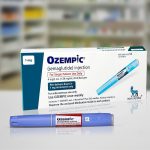
Cutting-edge GLP-1 weight-loss drugs appear to help lower cancer risk even beyond the benefits from dropping excess pounds, a new study says. First-generation GLP-1 drugs like liraglutide (Saxenda) and exenatide (Byetta) were associated with a 41% lower risk of obesity-related cancers, compared with weight-loss surgery, researchers report in the journal eClinicalMedicine. “We do not yet fully understand how GLP-1s work, but this study adds to the growing evidence showing that weight loss alone cannot completely account for the metabolic, anti-cancer, and many other benefits that these medications provide,” lead researcher Dr. Yael Wolff Sagy from Clalit Health Services in Tel-Aviv, Israel, said in a news release. Newer generation, highly potent GLP-1 drugs like Ozempic and Zepbound might even convey a greater advantage in reducing cancer risk, but they weren’t studied in this report, researchers said. Glucagon-like peptide-1 (GLP-1) drugs mimic the GLP-1 hormone, which helps control insulin and blood sugar levels, decreases appetite and slows digestion of food. For the new study, researchers tracked electronic health record data for more than 6,300 people 24 and older. All had obesity and type 2 diabetes and were treated with first-generation GLP-1 drugs or underwent weight-loss surgery between 2010 and 2018. Obesity and diabetes are both associated with an increased risk for many types of cancer, including breast, colon, uterus, liver, pancreatic, thyroid, stomach and ovarian cancers, researchers… read on > read on >