









All Sauce from Weekly Gravy:

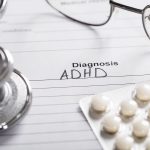
Expert consensus on the treatment of preschoolers diagnosed with attention deficit hyperactivity disorder (ADHD) is clear: Try behavioral therapies for six months before prescribing medications. However, a new study found this guideline was followed in only 14.1% of U.S. cases involving children ages 3 to 5.  “We found that many young children are being prescribed medications very soon after their diagnosis of ADHD is documented,” said study lead author Dr. Yair Bannett, an assistant professor of pediatrics at Stanford Medicine in California. “That’s concerning, because we know starting ADHD treatment with a behavioral approach is beneficial; it has a big positive effect on the child as well as on the family,” he explained. Immediate use of stimulant meds such as Adderall or Ritalin can bring one other downside, since preschoolers’ bodies do not metabolize the drugs as easily as older childrens’ can.  That could lead to increased side effects from stimulants — such as aggression or irritability — that can turn parents off from ever opting for the beneficial meds again, the Stanford team said. “We don’t have concerns about the toxicity of the medications for 4- and 5-year-olds, but we do know that there is a high likelihood of treatment failure, because many families decide the side effects outweigh the benefits,” Bannett said in a Stanford news release.  His team published its findings Aug.…  read on >  read on >

Everyone probably knows the phrase “music hath charms to soothe the savage breast,” and new research suggests it may do the same for heart health. A small study found that blood pressure appears to “synchronize” to patterns in music. British researchers say that might help boost the body’s baroreflex sensitivity — its ability to regulate blood pressure. The new findings could have wide-ranging implications for health, according to lead author Elaine Chew. She’s a trained pianist and professor of engineering at King’s College London. “This research raises the intriguing possibility that we could design music therapies to elicit specific biological responses in the future,” Chew explained. “This could be tailored specifically to individuals, bringing us closer to music as precision medicine. In the longer term, one day we may be able to use music to prevent heart disease or slow, arrest, or reverse its progression.” The findings were presented Thursday at the European Society of Cardiology (ESC) meeting in Madrid.  Chew’s research focused on an aspect of music called “phrase structure.” During a performance, musicians alter the tempo and loudness of music to mark the boundaries of phrases within the piece, creating pleasing musical patterns that people are drawn to.  Some musical pieces have a more predictable phrase structure than others, the researchers noted. Prior research by the team had already found that predictable phrasing…  read on >  read on >

Everyone probably knows the phrase “music hath charms to soothe the savage breast,” and new research suggests it may do the same for heart health. A small study found that blood pressure appears to “synchronize” to patterns in music. British researchers say that might help boost the body’s baroreflex sensitivity — its ability to regulate blood pressure. The new findings could have wide-ranging implications for health, according to lead author Elaine Chew. She’s a trained pianist and professor of engineering at King’s College London. “This research raises the intriguing possibility that we could design music therapies to elicit specific biological responses in the future,” Chew explained. “This could be tailored specifically to individuals, bringing us closer to music as precision medicine. In the longer term, one day we may be able to use music to prevent heart disease or slow, arrest, or reverse its progression.” The findings were presented Thursday at the European Society of Cardiology (ESC) meeting in Madrid.  Chew’s research focused on an aspect of music called “phrase structure.” During a performance, musicians alter the tempo and loudness of music to mark the boundaries of phrases within the piece, creating pleasing musical patterns that people are drawn to.  Some musical pieces have a more predictable phrase structure than others, the researchers noted. Prior research by the team had already found that predictable phrasing…  read on >  read on >

If your social life has been lived out in Zoom calls since the height of the pandemic, Labor Day weekend is prime time for a reboot. Attending live events builds social connections and helps fight loneliness, just-published research affirms.  The findings — published online in the journal Social Psychological and Personality Science — explain why and offer a guide to communities looking to foster connectedness. “Humans are fundamentally social beings,” said study co-leader Julianne Holt-Lunstad, director of the Social Connection & Health Lab at Bringham Young University in Provo, Utah. “The consequences that occur when people lack social connection … go beyond well-being and mental health, to influence both individual and community health, safety and prosperity.” The prescription?  Get out of the house! Find stuff to do to with other people — be it a fitness class, tailgate party, volunteer gig or a simply sharing a meal at a restaurant with good friends. Recurring events earn bonus points. Most important: Don’t be a bystander. Joining in is key. “Our most striking finding was that active participation — where people are encouraged to interact rather than passively observe — was the strongest predictor of feeling socially connected during an event,” said co-author Richard Slatcher, a professor of psychology at the University of Georgia whose research focuses on how people’s relationships affect their well-being and health.  “This…  read on >  read on >

If your social life has been lived out in Zoom calls since the height of the pandemic, Labor Day weekend is prime time for a reboot. Attending live events builds social connections and helps fight loneliness, just-published research affirms.  The findings — published online in the journal Social Psychological and Personality Science — explain why and offer a guide to communities looking to foster connectedness. “Humans are fundamentally social beings,” said study co-leader Julianne Holt-Lunstad, director of the Social Connection & Health Lab at Bringham Young University in Provo, Utah. “The consequences that occur when people lack social connection … go beyond well-being and mental health, to influence both individual and community health, safety and prosperity.” The prescription?  Get out of the house! Find stuff to do to with other people — be it a fitness class, tailgate party, volunteer gig or a simply sharing a meal at a restaurant with good friends. Recurring events earn bonus points. Most important: Don’t be a bystander. Joining in is key. “Our most striking finding was that active participation — where people are encouraged to interact rather than passively observe — was the strongest predictor of feeling socially connected during an event,” said co-author Richard Slatcher, a professor of psychology at the University of Georgia whose research focuses on how people’s relationships affect their well-being and health.  “This…  read on >  read on >

Good sleep can be key to a young adult’s mental well-being, according to a new study. Young adults who slept better were more likely to have a healthier mind, according to results from three studies performed in the U.S., U.K. and New Zealand, researchers said. Eating more fruits and veggies and working out more often also appeared to contribute to a person’s mental well-being, researchers reported Aug. 27 in the journal PLOS One. In addition, these “big three” lifestyle factors appear to be independent of one another, but also additive, researchers found. In other words, the more of them a person pursues, the bigger the benefit to their mental well-being. “This age group faces unique pressures – such as leaving home, financial stress, educational pressures and social stressors – that can lower happiness,” said senior researcher Tamlin Conner, a professor of psychology at the University of Otago in New Zealand. “Understanding what lifestyle factors support well-being can help young adults not just ‘get by’ but thrive during this critical life stage,” she said in a news release. For the study, researchers analyzed data from three studies on psychological well-being involving nearly 2,100 adults between 17 and 25 years of age. Across all three studies, better sleep was most strongly associated with improved mental well-being, results showed. Fruits and vegetable consumption came in second and physical…  read on >  read on >

Good sleep can be key to a young adult’s mental well-being, according to a new study. Young adults who slept better were more likely to have a healthier mind, according to results from three studies performed in the U.S., U.K. and New Zealand, researchers said. Eating more fruits and veggies and working out more often also appeared to contribute to a person’s mental well-being, researchers reported Aug. 27 in the journal PLOS One. In addition, these “big three” lifestyle factors appear to be independent of one another, but also additive, researchers found. In other words, the more of them a person pursues, the bigger the benefit to their mental well-being. “This age group faces unique pressures – such as leaving home, financial stress, educational pressures and social stressors – that can lower happiness,” said senior researcher Tamlin Conner, a professor of psychology at the University of Otago in New Zealand. “Understanding what lifestyle factors support well-being can help young adults not just ‘get by’ but thrive during this critical life stage,” she said in a news release. For the study, researchers analyzed data from three studies on psychological well-being involving nearly 2,100 adults between 17 and 25 years of age. Across all three studies, better sleep was most strongly associated with improved mental well-being, results showed. Fruits and vegetable consumption came in second and physical…  read on >  read on >

Breakfast is said to be the most important meal of the day, and a new study says that’s absolutely true as far as bone health is concerned. Folks who skip breakfast have a greater risk of broken bones from osteoporosis, researchers reported Aug. 28 in the Journal of the Endocrine Society. “We found skipping breakfast and having late dinners was associated with an increased risk of osteoporosis,” said lead researcher Dr. Hiroki Nakajima of Nara Medical University in Japan. “Furthermore, these unhealthy eating habits were found to be linked with the accumulation of other lifestyle risk factors such as physical inactivity, smoking and insufficient sleep,” Nakajima added in a news release. For the study, researchers analyzed health claims and checkup data from more than 927,000 people in Japan age 20 and older. The team looked for associations between lifestyle and people’s risk of a hip, arm or leg fracture due to osteoporosis. Results showed that skipping breakfast increased a person’s risk of a broken bone from osteoporosis by 18%, smoking by 11% and eating dinner late by 8%. If a person both skipped breakfast and ate late dinner, their risk of osteoporosis and a bone break rose to 23%, researchers found. Other unhealthy habits that increased risk of broken bones included daily alcohol consumption, a lack of exercise and bad sleep, researchers said. “These results…  read on >  read on >

Breakfast is said to be the most important meal of the day, and a new study says that’s absolutely true as far as bone health is concerned. Folks who skip breakfast have a greater risk of broken bones from osteoporosis, researchers reported Aug. 28 in the Journal of the Endocrine Society. “We found skipping breakfast and having late dinners was associated with an increased risk of osteoporosis,” said lead researcher Dr. Hiroki Nakajima of Nara Medical University in Japan. “Furthermore, these unhealthy eating habits were found to be linked with the accumulation of other lifestyle risk factors such as physical inactivity, smoking and insufficient sleep,” Nakajima added in a news release. For the study, researchers analyzed health claims and checkup data from more than 927,000 people in Japan age 20 and older. The team looked for associations between lifestyle and people’s risk of a hip, arm or leg fracture due to osteoporosis. Results showed that skipping breakfast increased a person’s risk of a broken bone from osteoporosis by 18%, smoking by 11% and eating dinner late by 8%. If a person both skipped breakfast and ate late dinner, their risk of osteoporosis and a bone break rose to 23%, researchers found. Other unhealthy habits that increased risk of broken bones included daily alcohol consumption, a lack of exercise and bad sleep, researchers said. “These results…  read on >  read on >