









All Sauce from Weekly Gravy:

People living with an autoimmune disease are nearly twice as likely to suffer from mood problems like depression, anxiety or bipolar disorder, a new large-scale study says. The risk of mood disorders is 87% to 97% higher in people suffering from rheumatoid arthritis, inflammatory bowel disease, lupus, multiple sclerosis, psoriasis and Graves’ syndrome, researchers reported June 24 in the BMJ Mental Health. This risk remains higher even after accounting for other factors like age, income and family history of psychiatric disorders, researchers found. “Together, these results support the hypothesis that exposure to chronic inflammation may be associated with a greater risk for affective disorders,” concluded the research team led by Arish Mudra Rakshasa-Loots with the University of Edinburgh Center for Clinical Brain Sciences in the U.K. For the study, researchers drew on data from 1.5 million people participating in a new large-scale U.K. health study. Upon recruitment to the ongoing study, people provided a history of their physical and mental health. In all, more than 37,800 of the study participants reported living with an autoimmune condition. About 29% of people with an autoimmune illness said they’d been previously diagnosed with a mood disorder, compared with 18% of the general population, results show. This included more than 25% versus 15% diagnosed with depression, and 21% versus nearly 13% diagnosed with anxiety. Women with autoimmune diseases were…  read on >  read on >

Ancient Chinese medicine techniques could prove extremely helpful in modern fertility treatment, a new study says. Acupuncture significantly relieved stress and pain in women undergoing in vitro fertilization (IVF), researchers report. “Our study demonstrates that acupuncture and whole-systems TCM (Traditional Chinese Medicine) can serve as a valuable tool to decrease pain, stress and anxiety – ultimately contributing to both improved outcomes and a more positive, holistic patient experience,” senior researcher Christine Kaiser, director of reproductive well-being at University Hospitals Connor Whole Health in Cleveland, said in a news release. For the study, researchers tracked the use of acupuncture, acupressure and light therapy techniques on 146 women during 202 embryo transfers. Overall, more than 88% of IVF cycles included these treatments on the day of embryo transfer, and about 65% of cycles featured treatments in the weeks leading up to embryo transfer, the study says. Women reported clinically significant relief in their feelings of anxiety, stress and pain following acupuncture and other such treatments, results show. On a 10-point rating scale, women’s anxiety dropped by an average 2.2 points, stress by 2.1 points, and pain by 1.4 points, results show. The study also noted specific acupuncture and acupressure points that appeared to have the most benefit. More IVF clinics are starting to incorporate acupuncture and other such practices into their reproductive health services, researchers said. “Our…  read on >  read on >

Ancient Chinese medicine techniques could prove extremely helpful in modern fertility treatment, a new study says. Acupuncture significantly relieved stress and pain in women undergoing in vitro fertilization (IVF), researchers report. “Our study demonstrates that acupuncture and whole-systems TCM (Traditional Chinese Medicine) can serve as a valuable tool to decrease pain, stress and anxiety – ultimately contributing to both improved outcomes and a more positive, holistic patient experience,” senior researcher Christine Kaiser, director of reproductive well-being at University Hospitals Connor Whole Health in Cleveland, said in a news release. For the study, researchers tracked the use of acupuncture, acupressure and light therapy techniques on 146 women during 202 embryo transfers. Overall, more than 88% of IVF cycles included these treatments on the day of embryo transfer, and about 65% of cycles featured treatments in the weeks leading up to embryo transfer, the study says. Women reported clinically significant relief in their feelings of anxiety, stress and pain following acupuncture and other such treatments, results show. On a 10-point rating scale, women’s anxiety dropped by an average 2.2 points, stress by 2.1 points, and pain by 1.4 points, results show. The study also noted specific acupuncture and acupressure points that appeared to have the most benefit. More IVF clinics are starting to incorporate acupuncture and other such practices into their reproductive health services, researchers said. “Our…  read on >  read on >

Heading the ball can be a dramatic, game-changing play during a soccer match. Unfortunately, soccer players pay a price every time they make this move, a new study argues. Bouncing a soccer ball off your head disrupts a person’s brain even if it doesn’t result in a concussion, researchers reported June 18 in Sports Medicine-Open. MRI scans of soccer players reveal that heading subtly alters chemistry and nerve function in the brain, and causes slightly elevated levels of proteins that have been associated with brain injury, researchers found. “These findings suggest that even routine, symptom-free heading can produce subtle changes in the brain,” senior investigator Danielle McCartney, a postdoctoral research associate with the University of Sydney’s Lambert Initiative for Cannabinoid Therapeutics, said in a news release.  “The next step is to understand whether these changes accumulate over time, and what that might mean for player health in the long run,” McCartney continued. “In the meantime, we’re adding to calls for soccer players to exercise caution and perhaps consider whether extensive heading is necessary, particularly in training.” For the new study, researchers asked 15 male soccer players to head a ball 20 times in 20 minutes. The balls were launched at a constant speed from a machine, and each player also spent a second round kicking the ball to provide a means of comparison. MRI scans…  read on >  read on >

Heading the ball can be a dramatic, game-changing play during a soccer match. Unfortunately, soccer players pay a price every time they make this move, a new study argues. Bouncing a soccer ball off your head disrupts a person’s brain even if it doesn’t result in a concussion, researchers reported June 18 in Sports Medicine-Open. MRI scans of soccer players reveal that heading subtly alters chemistry and nerve function in the brain, and causes slightly elevated levels of proteins that have been associated with brain injury, researchers found. “These findings suggest that even routine, symptom-free heading can produce subtle changes in the brain,” senior investigator Danielle McCartney, a postdoctoral research associate with the University of Sydney’s Lambert Initiative for Cannabinoid Therapeutics, said in a news release.  “The next step is to understand whether these changes accumulate over time, and what that might mean for player health in the long run,” McCartney continued. “In the meantime, we’re adding to calls for soccer players to exercise caution and perhaps consider whether extensive heading is necessary, particularly in training.” For the new study, researchers asked 15 male soccer players to head a ball 20 times in 20 minutes. The balls were launched at a constant speed from a machine, and each player also spent a second round kicking the ball to provide a means of comparison. MRI scans…  read on >  read on >

Texas has become the first state to require warning labels on thousands of food and beverages containing common 44 dyes or additives. The new law — signed Sunday by Republican Gov. Greg Abbott — is expected to set off a nationwide scramble in the food industry, The Washington Post reported. The industry must now decide whether to add the required warnings, reformulate their products, stop selling them in Texas or go to court in a bid to block the law. “When a state as big as Texas requires a warning, that will have an impact on the entire marketplace,” said Scott Faber of the nonprofit Environmental Working Group, which supports stronger food safety policies. The move, in a deep red state, would have been unthinkable in the past. Republican lawmakers and the first Trump administration decried measures such as stricter school lunch standards as overregulation, The Post pointed out. Policy crackdowns that led food companies to make changes in their products often came from blue states, especially California. But Republican-leaning states are rushing to embrace Health and Human Services Secretary Robert F. Kennedy Jr.’s “Make America Healthy Again” agenda. Its aim? To address chronic disease and childhood illness. “I think that is almost entirely a function of the MAHA movement,” lawyer Stuart Pape, who worked at the U.S. Food and Drug Administration (FDA) in the…  read on >  read on >

Dozens of people in northeastern England have developed a rare and dangerous illness after receiving Botox injections, according to health officials in the U.K. At least 28 people have reported symptoms of botulism, a potentially deadly illness that attacks the nervous system, after undergoing cosmetic procedures, the U.K. Health Security Agency (UKHSA) said on June 20, CNN reported. Investigators at the agency said that “evidence so far does not suggest that the product used has been contaminated. Symptoms are being reported a few days up to four weeks after injection.” The type of botulism in the recent cases is called iatrogenic botulism, and it can result when too much Botox is injected. The agency is also investigating possible illegal sales of Botox-like products. Botulism is caused by toxins made by Clostridium botulinum bacteria, which can lead to muscle weakness and even paralysis. “These toxins (but not the bacteria) are the active ingredient in Botox and similar products,” Dr. Joanne Darke, a health protection consultant at UKHSA, told CNN. It’s “important to go to a licensed practitioner.” People affected have experienced droopy eyelids, double vision, slurred speech, difficulty swallowing and fatigue, CNN reported. Botulism is rare but can be fatal in 5% to 10% of cases, according to the U.K.’s National Health Service (NHS). If left untreated, it can spread to the muscles that control breathing.…  read on >  read on >

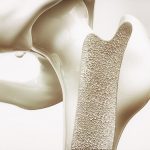
Weighted vests have been touted as a potential means of warding off osteoporosis while losing weight. The idea is that the extra weight will promote new bone growth even as people are walking or jogging to lose weight. But this idea isn’t backed up by results, a new clinical trial says. Seniors with obesity who wore weighted vests did drop excess pounds, but the vests did not significantly prevent bone density loss, researchers reported June 20 in JAMA Network Open. “We hoped that replacing lost weight externally or increasing mechanical loading through exercise would preserve bone, but our findings show that these strategies alone may not be enough,” said lead researcher Kristen Beavers, a professor of internal medicine, gerontology and geriatric medicine at Wake Forest University School of Medicine in Winston-Salem, N.C. Weight loss is encouraged among heavy seniors to help protect their heart and joint health, but it also can lead to bone loss, researchers said in background notes. To see if weighted vests might help, researchers recruited 150 seniors with obesity. Their average age was 66. Participants were randomly assigned to one of three groups, all of whom took part in a weight-loss diet.  One group received the diet alone, which included a partial meal replacement program along with regular nutrition classes. A second had the diet plus regular resistance training. The third…  read on >  read on >

Weighted vests have been touted as a potential means of warding off osteoporosis while losing weight. The idea is that the extra weight will promote new bone growth even as people are walking or jogging to lose weight. But this idea isn’t backed up by results, a new clinical trial says. Seniors with obesity who wore weighted vests did drop excess pounds, but the vests did not significantly prevent bone density loss, researchers reported June 20 in JAMA Network Open. “We hoped that replacing lost weight externally or increasing mechanical loading through exercise would preserve bone, but our findings show that these strategies alone may not be enough,” said lead researcher Kristen Beavers, a professor of internal medicine, gerontology and geriatric medicine at Wake Forest University School of Medicine in Winston-Salem, N.C. Weight loss is encouraged among heavy seniors to help protect their heart and joint health, but it also can lead to bone loss, researchers said in background notes. To see if weighted vests might help, researchers recruited 150 seniors with obesity. Their average age was 66. Participants were randomly assigned to one of three groups, all of whom took part in a weight-loss diet.  One group received the diet alone, which included a partial meal replacement program along with regular nutrition classes. A second had the diet plus regular resistance training. The third…  read on >  read on >

A new Chinese-developed GLP-1 weight loss drug could prove a new competitor to blockbuster drugs Ozempic/Wegovy and Zepbound, clinical trial results show. Ecnoglutide helped people lose between 9% to 13% of their body weight on average after 40 weeks of treatment, according to phase 3 trial findings published June 21 in The Lancet Diabetes & Endocrinology. That average weight loss rose to more than 15% by week 48 on the heaviest dose of ecnoglutide, researchers reported in updated trial results presented Saturday at the American Diabetes Association’s annual meeting in Chicago. Overall, nearly 93% of trial participants lost 5% or more of their body weight, nearly seven times the weight loss achieved by a control group given a placebo, researchers said. Those results outperformed the Chinese clinical trials of semaglutide (Ozempic) and tirzepatide (Zepbound), which helped 85% to 88% of participants lose 5% of more of their weight, researchers noted in their paper. Participants “continued to have weight loss at week 48 without reaching a plateau, indicating that even greater weight loss might be achievable with extended ecnoglutide treatment,” lead researcher Dr. Linong Ji of the Peking University People’s Hospital in Beijing said in a news release. “Considering the high potency of ecnoglutide, it might also serve as a viable option for individuals who do not achieve sufficient weight reduction with existing GLP-1 receptor agonists…  read on >  read on >