








(HealthDay News) — American ginseng is an herb that people take by mouth as a stimulant, to reduce stress, or to boost the immune system, says MedlinePlus. American ginseng has different medicinal effects from the Siberian and Asian varieties. Here’s what MedlinePlus says about American ginseng: Side effects may include diarrhea, itching, insomnia, headache and nervousness. Never take ginseng if taking warfarin (Coumadin). Use caution if taking ginseng with MAOIs, antidiabetes drugs or immunosuppressants. Do not take ginseng if you are pregnant.
All Health/Fitness:
Health Tip: 4-7-8 Breath Relaxation Exercise
(HealthDay News) — Breathing exercises can help you relax and manage stress, says the Arizona Center for Integrative Medicine. The center suggests using the 4-7-8 breath exercise: Exhale completely through your mouth. Close your mouth and inhale through your nose to a mental count of 4. Hold your breath for a count of 7. Exhale through your mouth to a count of 8. Repeat the cycle three more times for a total of four breaths.
Health Tip: Managing ADHD in Adults
(HealthDay News) — About 4 percent of adults have attention-deficit hyperactivity disorder (ADHD), says Harvard University Medical School. Adults with ADHD tend to have more difficulty with attention and memory, rather than with hyperactivity, as with children. To help manage ADHD in adults, the school suggests: Consider medications such as stimulants, non stimulants and antidepressants. Learn more about ADHD and encourage your family and spouse to learn, too. Establish realistic expectations and achievable goals. Avail yourself of cognitive behavioral therapy or coaching.
Obesity May Change the Teen Brain, MRI Study Shows

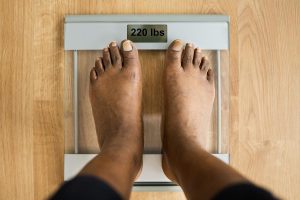
Obese teenagers can have certain brain differences from their thinner peers — changes that might signal damage from inflammation, a new, preliminary study suggests. Using advanced MRI techniques, researchers found that obese teenagers tended to have signs of decreased “integrity” in the brain’s white matter. White matter contains the fibers that connect different areas of the brain. In this case, lower white-matter integrity was seen in a brain region related to emotional control and “reward” seeking. The findings, based on 120 teenagers, are considered preliminary. Experts said it’s not clear what they might mean. But the findings add to evidence linking obesity to certain brain structure differences. Recent studies of middle-aged adults, for example, have found evidence of brain tissue “shrinkage” among those with high levels of body fat — particularly around the belly. One possibility is that excess amounts of body fat directly harm the brain through inflammation, the researchers suggested. In the new study, there was a correlation between decreases in white matter integrity and higher levels of certain inflammatory substances in the blood. Teens with those brain changes also tended to have higher levels of the hormones leptin and insulin. Leptin is involved in appetite control, while insulin regulates blood sugar levels. Dr. Harold Bays is a fellow of the Obesity Medicine Association and medical director of the Louisville Metabolic and Atherosclerosis… read on >
Dramatic Rise in Eye Injuries From BB and Paintball Guns

Popularized in movies, the phrase, “You’ll shoot your eye out,” is often repeated jokingly whenever someone talks about BB or paintball guns. But it’s no laughing matter. These “non-powder” guns can cause serious, life-altering injuries, and these injuries are now happening far more often. In fact, a new study found that while the overall rate of injuries due to BB and paintball guns has dropped around half since 1990, the rate of eye injuries has risen by 30%. “These findings raise a red flag. Non-powder firearm injuries are among the most serious injuries we see to the eye, with fireworks a close second,” said study senior author Dr. Gary Smith, who directs the Center for Injury Research and Policy at Nationwide Children’s Hospital in Columbus, Ohio. People sometimes dismiss these types of firearms as “toy” or “starter” guns, but Smith said they can cause very serious injuries, and even deaths. “I’ve seen a BB gun penetrate the chest. I’ve seen a pellet gun penetrate the skull. Eye injuries from non-powder firearms can result in partial or complete blindness,” Smith said. Non-powder firearms include BB, pellet, airsoft and paintball guns. These guns use air pressure, carbon dioxide pressure or a spring-loaded mechanism to shoot. They may propel metal or plastic projectiles of varying shapes and sizes. The speed at which these guns shoot varies, according to… read on >
Opioid Exposure in Womb Alters the Infant Brain

Exposure to opioids in the womb may affect an area of the newborn brain that regulates emotions, a new study shows. Researchers used MRIs to assess brain activity in 16 full-term infants while they slept, specifically focusing on connectivity in a region called the amygdala, which is responsible for emotions such as anger, fear, sadness and aggression. Eight of the infants were exposed to opioids in the womb, according to the study being presented Monday at the annual meeting of the Radiological Society of North America (RSNA), in Chicago. “Our early results show significant differences in the way the amygdala connects to different brain regions between the infants exposed to opioids and the opioid-naive infants,” said researcher Dr. Rupa Radhakrishnan. She’s an assistant professor of radiology and imaging sciences at Indiana University School of Medicine. “We still need to study what the clinical implication of this finding may be,” Radhakrishnan said in a meeting news release. Opioid use in pregnancy can pose serious risks to maternal, fetal and infant health, and it has become a major public health crisis. Babies who’ve been exposed to opioids in the womb suffer from drug withdrawal, or a group of conditions known as neonatal abstinence syndrome, after birth, and it’s thought that exposure to opioids in the womb may cause lasting harm to brain development and behavior. “Little is… read on >
Gunshot Wounds Have Long-Term Health Consequences: Study

Emergency department patients treated for gunshot wounds to the chest or abdomen are more likely to wind up in the hospital again than those who have such wounds in other areas of the body, a new study finds. The study included 110 patients with a history of gunshot wounds. Most were men, with an average age of 50. The patients were seen in the emergency department at Thomas Jefferson University Hospital in Philadelphia. Of those patients, 36 were readmitted with neurologic, abdominal or chest, or extremity injuries, the findings showed. Eighteen were readmitted for complications from their previous gunshot wounds. Three surgeries — two of them chest surgeries — were performed. Twenty-four patients had neurologic injuries, while nine had abdominal or chest wounds. Three patients had major blood vessel injuries, the study found. The findings are scheduled for presentation next week at the annual meeting of the Radiological Society of North America, in Chicago. Research presented at meetings should be considered preliminary until published in a peer-reviewed journal. “Where you are shot has an effect on your long-term health,” said lead researcher Dr. Corbin Pomeranz, a radiology resident. When it comes to treating gunshot wound patients, he noted that most of the cost is due to ongoing care, including dealing with complications. “The vast majority of research on gun violence focuses on emergency care, but… read on >
How to Prevent Holiday Headaches

The holiday season can give you real headaches, but you can take action to prevent them, an expert says. To reduce stress, make plans well in advance and know your limits, advised Dr. Bing Liao, a neurologist at Houston Methodist. “The nature of the holiday season already increases stress levels, so finding small ways to reduce schedule stress can help ward off a headache,” Liao said in a hospital news release. “This can mean planning well in advance to avoid the hassle of making last minute travel plans, or deciding not to attend a party at the end of a long day.” Be sure you have an adequate supply or a refill of your prescription medications before the holidays, she advised. Missing doses or cutting back could trigger a headache or even serious side effects. “Don’t binge anything during the holidays — food, alcohol, or television,” Liao said. “We all know how a hangover can affect the brain, but most don’t realize that overeating can also trigger a headache. And having the next day off from work doesn’t mean you should stay up late watching holiday movies. The brain needs the same amount of sleep during the holidays as it does the rest of the year, so stick with your usual bedtime.” Running holiday errands can lead to skipped meals and dehydration, which can trigger… read on >
Almost Half of Older Americans Fear Dementia, Try Untested Ways to Fight It

Many Americans believe they are likely to develop dementia — and they often turn to unproven ways to try to better their odds, a new study suggests. In a survey, researchers found that almost half of Americans in their 50s and 60s believed they were at least “somewhat likely” to develop dementia. Yet few — 5% — said they had talked to their doctor about ways to lower their risk. Instead, one-third or more were taking fish oil, vitamin E or other supplements to help ward off memory decline — even though none have been proven to have such benefits. “It certainly seems like people believe that supplements or fish oil help preserve their memory,” said lead researcher Dr. Donovan Maust, a geriatric psychiatrist at the University of Michigan, in Ann Arbor. Maust said that might reflect “excitement” over initial research suggesting that certain supplements might ward off memory decline — excitement that wasn’t tempered when later studies failed to show benefits. The findings, published online Nov. 15 in JAMA Neurology, are based on 1,019 adults aged 50 to 64 who were surveyed in 2018. They were asked whether they thought they were “somewhat likely,” “very likely” or “unlikely” to develop dementia in their lifetime. Overall, 44% believed they were somewhat likely, while 4% chose the “very likely” option. How accurate were they? It’s hard… read on >
These Sports Are Most Likely to Send Young Americans to the ER

Of all sports, football sends the most U.S. males to the emergency room, while cheerleading and gymnastics most often do the same for women and girls, a new report finds. And, overall, U.S. emergency departments see about 2.7 million patients between the ages of 5 and 24 for sports-related injuries each year, according to a new report from the U.S. Centers for Disease Control and Prevention. In some cases, these injuries might even be a gateway to opioid addiction: Opioid painkillers were given to ER patients suffering from a sports injury in about one in five cases, the study found. That number rose to nearly half (46%) among young adults aged 20 to 24. “As we have learned from the opioid crisis, many patients move from appropriately prescribed opioid medications to misuse of opioids,” noted Dr. Teresa Amato, who directs emergency medicine at Northwell Health’s Long Island Jewish Forest Hills, in Forest Hills, N.Y. She wasn’t involved in the new research. “I would encourage any parent with a child that has a sports-related injury who is being evaluated in an emergency department to have an open and frank discussion about pain control and if opioids are needed,” Amato said. “Of course, in some cases there will be a need for these medications, but the discussion prior to dispensing or prescribing opioids may prevent misuse later… read on >