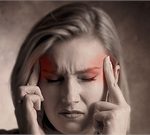










A cheap, century-old drug in most Americans’ medicine cabinets — aspirin — may come to the rescue for people suffering from migraines, a new study finds. While there are effective prescription medications, many migraine patients in the United States don’t have access to them due to limited access to doctors or good insurance, or high insurance co-pays, said researchers at Florida Atlantic University, in Boca Raton. Aspirin might often be a viable option for these patients, said the research team, who reviewed 13 studies of migraine treatment involving more than 4,200 patients. The investigators also looked at data on the prevention of recurrent migraine in tens of thousands of patients. The results suggest that giving a high dose of aspirin — 900 to 1,300 milligrams (mg) — when migraine symptoms set in is an effective and safe treatment for acute migraine. There’s also evidence that daily aspirin doses of 81 to 325 mg may be an effective and safe treatment for prevention of recurrent migraine, the team said. The standard “low-dose” aspirin pill, taken by millions of Americans to help lower heart risks, contains 81 mg. The bottom line: “Our review supports the use of high-dose aspirin to treat acute migraine as well as low-dose daily aspirin to prevent recurrent attacks,” senior author Dr. Charles Hennekens, professor and senior academic advisor at the university’s College…  read on >

(HealthDay News) — Many minor injuries can be treated at home by following a few guidelines, says the University of California. But for animal bites, deep cuts or wounds that bleed excessively, you should always see a doctor. The school mentions these do’s and don’ts of home care for minor wounds: Do irrigate the wound with water, gently wash and pat dry. Do apply petroleum jelly to exposed wounds, then cover with a bandage. Do cleanse the wound daily with soap and water. Don’t forget to apply sunscreen after the wound has healed to control scarring. Don’t apply a topical antibiotic. Don’t douse minor wounds with antiseptics.

With the arrival of winter, it’s time for skiing, sledding and ice skating, but it’s also when snow blindness can strike. Snow blindness is like a sunburn in the eyes. It’s caused by the same UV rays that give you that summer tan. In the case of snow blindness, the rays are reflected off the snow and into your eyes, explained experts from Ohio State University’s Wexner Medical Center. The cornea is the outer dome of the eye. It is covered by a thin layer of cells called the epithelial layer. UV light can burn this layer just as it burns your skin. UV burns to the cornea are called photokeratitis. Inflammation of the epithelial layer can result in blurred vision. When this happens after being outside on a bright snowy day, it is commonly referred to as snow blindness. Snow blindness can cause your eyes to feel burning, itching, stinging or intense pain. The same condition can result from being on the water or a beach as UV rays are reflected off the water or sand. Photokeratitis can also occur at high elevations where less UV light is absorbed by the atmosphere, the experts noted in a medical center news release. The best way to protect yourself is to use UV-light protective eyewear, the Ohio State team said. This can be either sunglasses or…  read on >

As if the news on vaping wasn’t bad enough, a new study suggests that e-cigarette users are also at significantly higher risk of chronic lung diseases such as asthma, bronchitis, emphysema and COPD. Those risks rose even higher if vapers also smoked tobacco, researchers said. “What we found is that for e-cigarette users, the odds of developing lung disease increased by about a third, even after controlling for their tobacco use and their clinical and demographic information,” said study senior author Stanton Glantz. He directs the Center for Tobacco Control Research and Education at the University of California, San Francisco. In the new study, Glantz’s team tracked data on the cigarette and e-cigarette use of more than 32,000 U.S. adults, none of whom had lung disease at the start of the study. The researchers then recorded new lung disease diagnoses over the years 2013 to 2016. Those diagnoses included such common and debilitating illnesses as asthma, bronchitis, emphysema and chronic obstructive pulmonary disorder (COPD). “We concluded that e-cigarettes are harmful on their own, and the effects are independent of smoking conventional tobacco,” Glantz said in a UCSF news release. Current and former e-cigarette users were 30% more likely to develop chronic lung disease, while tobacco smokers had more than 2.6-times increased risk. For people who vaped and smoked, risks of developing a lung disease more…  read on >

Losing weight might be a powerful weapon against breast cancer, a new study suggests. “Our results suggest that even a modest amount of sustained weight loss is associated with lower breast cancer risk for women over 50,” said study author Lauren Teras, a senior principal scientist with the Behavioral and Epidemiology Research Group at the American Cancer Society (ACS). “These findings may be a strong motivator for the two-thirds of American women who are overweight to lose some of that weight. Even if you gain weight after age 50, it is not too late to lower your risk of breast cancer,” Teras said in an ACS news release. One breast cancer expert agreed. “Perhaps women that lost weight made a conscious effort to live a healthier lifestyle overall, which may have included a healthy diet, more exercise and less drinking, all of which contribute to a lower risk of cancer,” said Dr. Stephanie Bernik, chief of breast surgery at Mount Sinai West in New York City. “In the United States, where obesity is the norm, hopefully studies like this will help women understand the importance of healthy living.” Teras’ team analyzed data from more than 180,000 U.S. women, 50 and older, who took part in 10 studies. Their weight was assessed periodically over about 10 years: at study enrollment; about five years later; and again…  read on >

The holiday season can give you real headaches, but you can take action to prevent them, an expert says. To reduce stress, make plans well in advance and know your limits, advised Dr. Bing Liao, a neurologist at Houston Methodist. “The nature of the holiday season already increases stress levels, so finding small ways to reduce schedule stress can help ward off a headache,” Liao said in a hospital news release. “This can mean planning well in advance to avoid the hassle of making last minute travel plans, or deciding not to attend a party at the end of a long day.” Be sure you have an adequate supply or a refill of your prescription medications before the holidays, she advised. Missing doses or cutting back could trigger a headache or even serious side effects. “Don’t binge anything during the holidays — food, alcohol, or television,” Liao said. “We all know how a hangover can affect the brain, but most don’t realize that overeating can also trigger a headache. And having the next day off from work doesn’t mean you should stay up late watching holiday movies. The brain needs the same amount of sleep during the holidays as it does the rest of the year, so stick with your usual bedtime.” Running holiday errands can lead to skipped meals and dehydration, which can trigger…  read on >

Playing cards and board games like chess, bingo and Scrabble might be the mental workout you need to keep your wits as you age, Scottish researchers suggest. People in their 70s who regularly play board games score higher on tests of memory and thinking skills than those who don’t. And 70-somethings who step up their game-playing are more likely to maintain thinking skills as they age, researchers say. “Playing board, card and word games may protect people from cognitive decline, but this study wasn’t an intervention, so we can’t say that for sure,” said lead researcher Drew Altschul, a postdoctoral research fellow at the University of Edinburgh. “But it, at very least, is fun, inexpensive, and it certainly won’t hurt you.” He doesn’t think it’s the social aspect of these activities that provides this brain-protective effect, but rather the challenge of the games themselves. Unlike reading, writing, taking classes, visiting museums, libraries or friends and relatives, games appear to more actively engage abilities like memory, thinking speed and reasoning, Altschul said. “So, this fits with what we call the ‘use it or lose it’ theory, that exercising your mental abilities more keeps them in better shape,” he said. For the study, Altschul and his colleagues tested the memory, problem-solving, thinking speed and general thinking ability in nearly 1,100 70-year-olds. The tests were repeated every three…  read on >

Headache and migraine patients, take note: medical marijuana may help ease your pain. The findings follow an analysis of data collected by a Canadian phone app that gathered feedback offered by 1,300 headache sufferers and nearly 700 migraine sufferers who used marijuana to treat their head pain. “We found that self-reported headache and migraine severity were reduced by nearly 50% from before to after cannabis use,” said study author Carrie Cuttler. She is an assistant professor in the department of psychology at Washington State University in Pullman, Wash. But a lot of unanswered questions remain. For one, it’s not clear if pot was any better at cutting down headache pain than conventional medicine. “We didn’t directly compare cannabis to conventional treatments,” said Cuttler, “so we don’t know if it is more or less effective.” Also, the jury remains out as to what particular compound might be causing the reductions. The team found that when it came to head pain control, it didn’t matter how much tetrahydrocannabinol (THC) or cannabidiol (CBD) was in a particular batch of pot. THC and CBD are the most commonly studied ingredients in marijuana, Cuttler’s team noted. “[So] it could be one of the other 100-plus phytocannabinoids in the cannabis plant,” she said, adding that “there is simply not enough research on these other constituents to know right now.” At the…  read on >

(HealthDay News) — Knee pain is common, especially in highly active people, says the Cedars-Sinai hospital system. Women, people with a high body mass index and the elderly are at a greater risk of knee pain. Cedars-Sinai mentions these common causes: Overuse of the knee. Inflammation in tissues around the knee. Misalignment of the kneecap. Damage to ligaments, nerves or bone in the area. Injury. To diagnose the reasons for your knee pain, your doctor will perform an exam to test the knee’s range of motion, strength and areas of soreness. Sometimes, an X-ray or MRI may be needed to determine the cause of pain.

A small, preliminary study suggests that a brain area called the hypothalamus appears to be about 6% smaller in women who use birth control pills. But exactly what that means isn’t yet clear. In this study, women on the pill had statistically significant increases in anger. Researchers also found a possible link with depression symptoms. The good news: They didn’t see any difference in women’s mental performance. And women who use the Pill shouldn’t search for other forms of birth control based on these findings, researchers said. “There isn’t enough data here for anyone to worry,” said study author Dr. Michael Lipton. “There’s more than a 50-year history of birth control pills. We’re not advising any changes (in your contraception) based on this preliminary finding.” Still, he added, there may be clinical consequences that this study was too small to find. Lipton is associate director of the Gruss Magnetic Resonance Research Center at Albert Einstein College of Medicine, in New York City. Located at the base of the brain, the hypothalamus produces hormones. It also helps regulate essential body functions like temperature, sleep and heart rate, the researchers said. “There’s a lot of stuff packed in there,” Lipton said. “The hypothalamus covers a lot of basic body functions, like sleep regulation, reproductive regulation, ovulation, the menstrual cycle, sex drive, appetite, mood, reward-related behavior and water…  read on >